
In 1949 the electronics sellers of Kanda moved under the tracks of the Sōbu line.
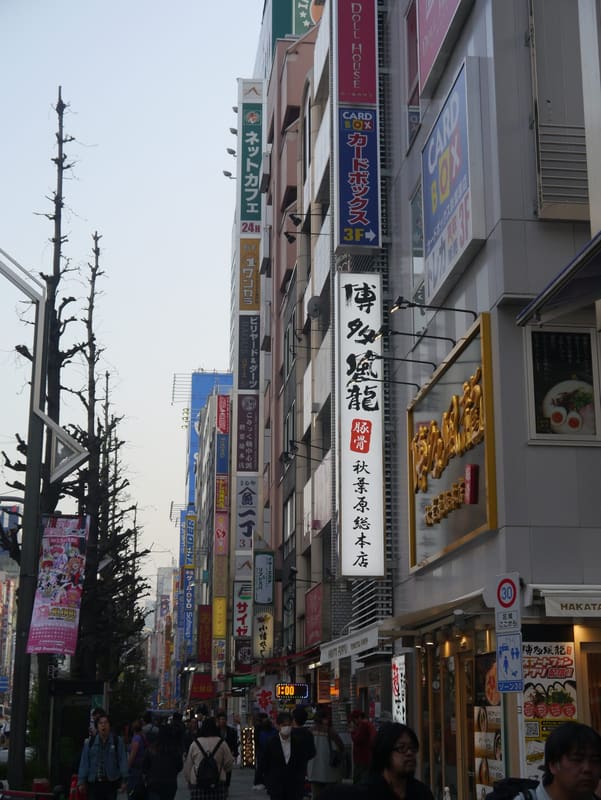
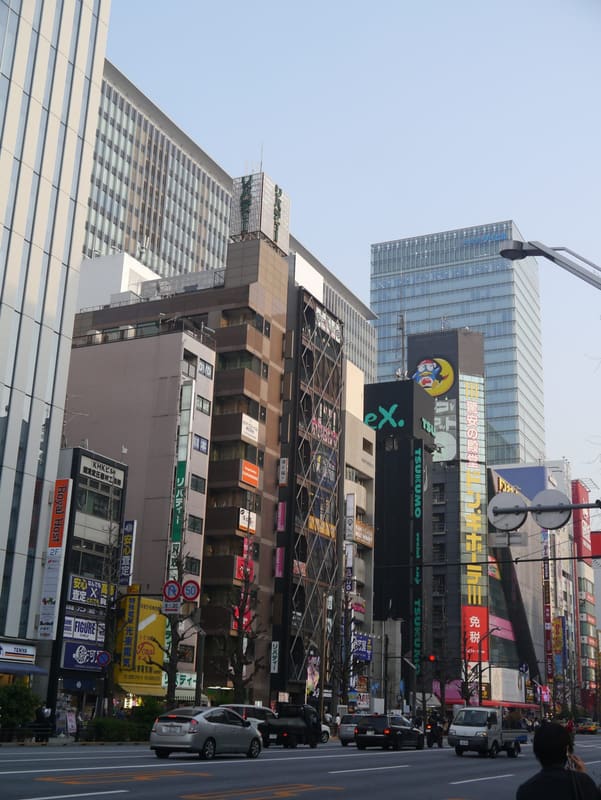
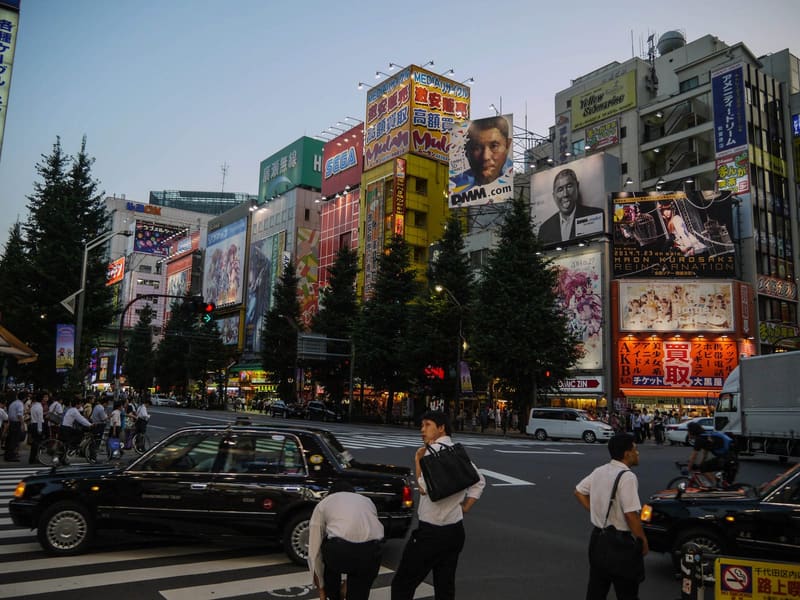
Coming out of the station on the Sotokanda side, Chūō-dōri opens up between multi-storey electronics stores and illuminated signs that cover the façades right to the top. At the doors of the maid cafés, waitresses in costume greet passers-by, and in the side alleys the stalls of tiny components that the neighbourhood has sold since the fifties are still there.
The name comes from Akiba ga hara, the field of the fire god Akiba (秋葉権現), to whom the residents dedicated a shrine after a fire in 1869. The station opened in 1890 as a freight yard, and a fruit and vegetable market grew up around it. In 1949, under the American occupation authorities, the black-market sellers of Kanda moved with their electronic-component stalls under the tracks of the Sōbu line: the Electric Town was born. In the sixties the neighbourhood sold mainly household appliances (washing machines, fridges, televisions), in the eighties personal computers, and from 2005, with the opening of the Tsukuba Express line and the Yodobashi Akiba department store, it turned to the otaku culture of anime, manga and video games.
ℹ️ The streets are public and you can walk them at any time; the shops have their own business hours, generally from 10:00 to 20:00. In 2008, after the attack that killed seven people on Chūō-dōri that year, the Sunday pedestrian zone that had run for 35 years came to an end. JR Akihabara Station (Yamanote, Keihin-Tōhoku, Chūō-Sōbu), Tokyo Metro Hibiya, Tsukuba Express.
🚉 Akihabara · 3 min walk
Holidays in Japan? Plan them with us.Over 2,000 real places, a day-by-day itinerary.FreeOpen the map →Sources: en.wikipedia.org · ja.wikipedia.org · magical-trip.com · sonoinviaggio.com · watabi.it
Nearby
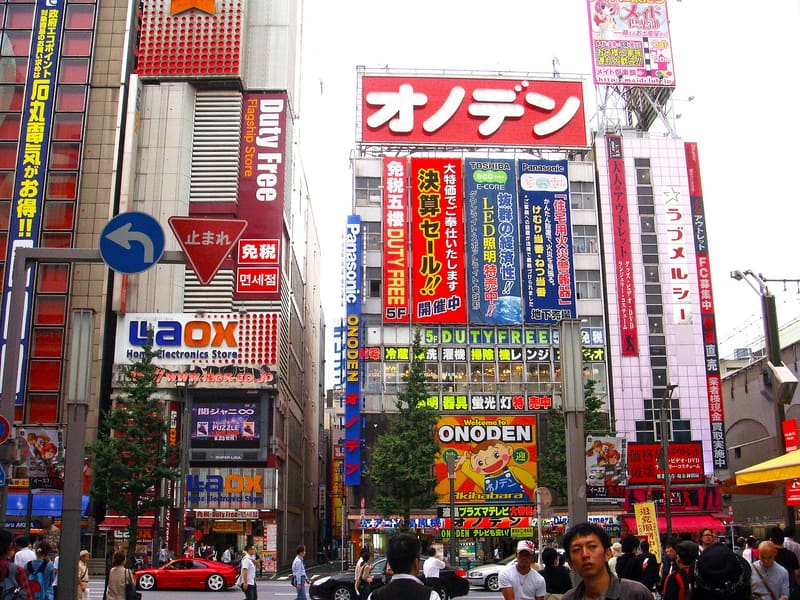 Akihabara Electric Town100 mphoto by Richie · CC BY-SA 2.0
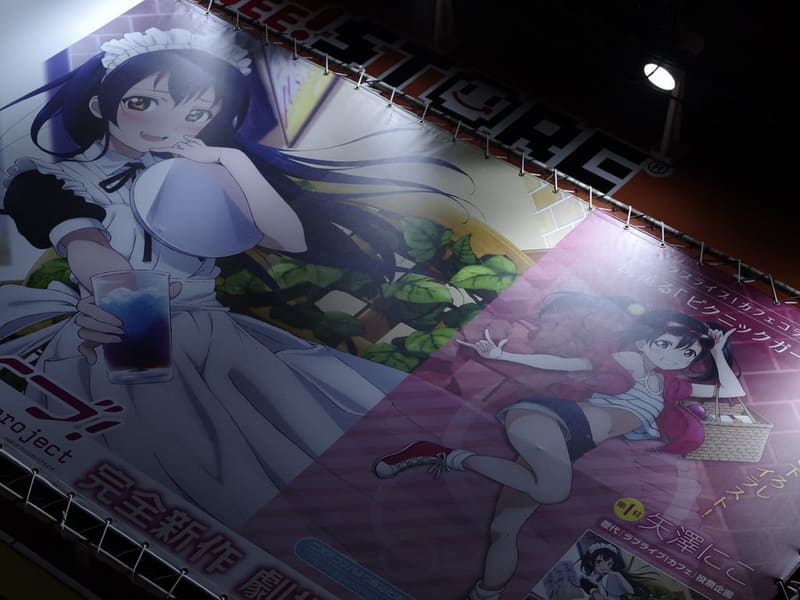 Cure Maid Café200 m
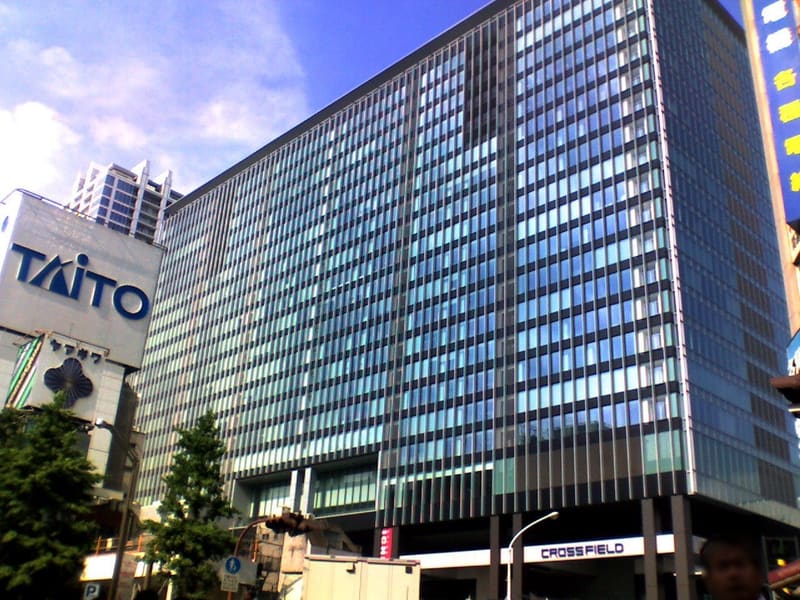 Akihabara UDX — UTX200 mphoto by Niui na at Japanese Wikipedia · CC BY-SA 3.0
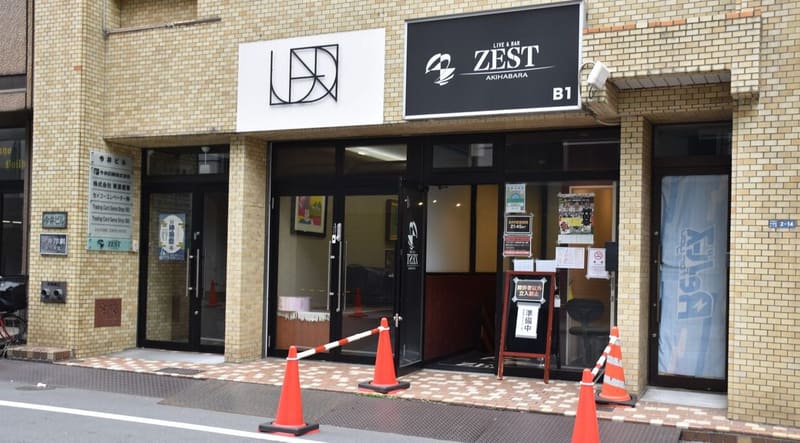 Akihabara ZEST400 m