
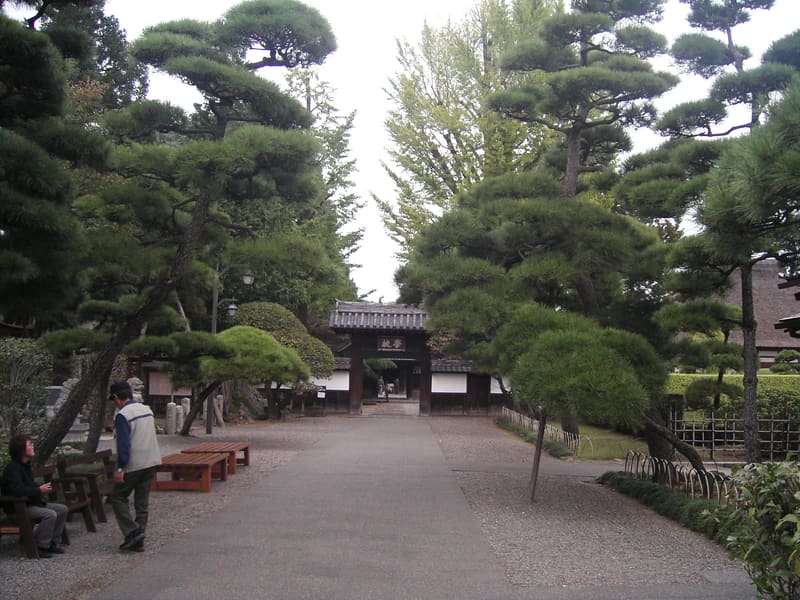
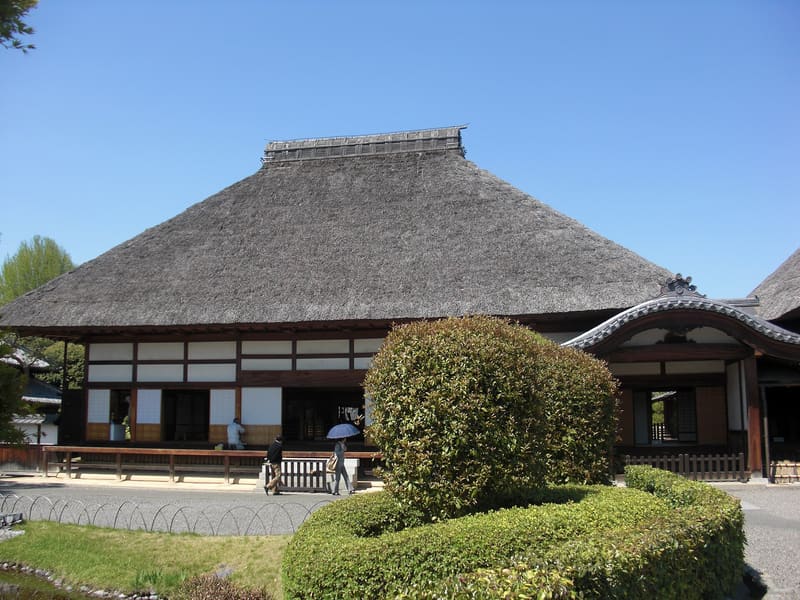
Documented from 1439: in 1549 Xavier called it the largest university in the Kantō.
Its documented history begins in 1439, when the regional administrator Uesugi Norizane reopened it and brought in a Zen monk as its first rector; from there it grew to about 3,000 students in the early sixteenth century, the largest centre of learning in Japan at the time. In 1549 the Jesuit Francis Xavier described it as ‘the largest and most famous university in the Kantō’ in a letter that made it known in Europe. It closed in the late Edo period; the current building is a 1990 reconstruction that reproduces its mid-Edo appearance.
There are several unresolved theories about its origins before 1439 (a remnant of a state academy of the Nara period, a foundation in the early Heian period, one in the early Kamakura period), but the historical record begins only in the fifteenth century. Designated a National Historic Site in March 1921, after its nineteenth-century closure it was preserved by the local community as a symbolic place, until a restoration project launched in 1982 rebuilt its buildings in the form you can visit today.
ℹ️ Open 9:00–16:30 on weekdays (check the municipality's website for any differences at weekends). The main entrance is the 入徳門; inside you can visit the lecture hall, the library and the garden in mid-Edo style.
🚉 美術館前 · 8 min walk
Holidays in Japan? Plan them with us.Over 2,000 real places, a day-by-day itinerary.FreeOpen the map →Sources: city.ashikaga.tochigi.jp · city.ashikaga.tochigi.jp
Nearby
 Former Ashikaga Nishi High School6 km
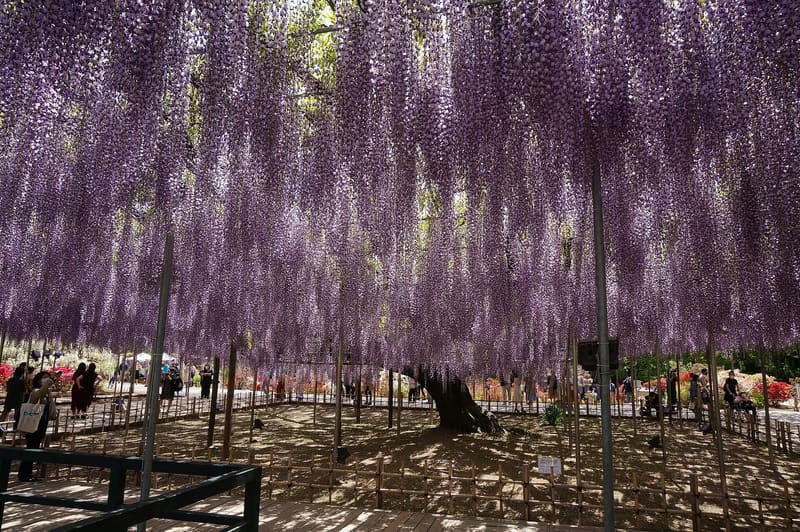 Ashikaga Flower Park6.4 kmphoto by SLIMHANNYA · CC BY-SA 4.0
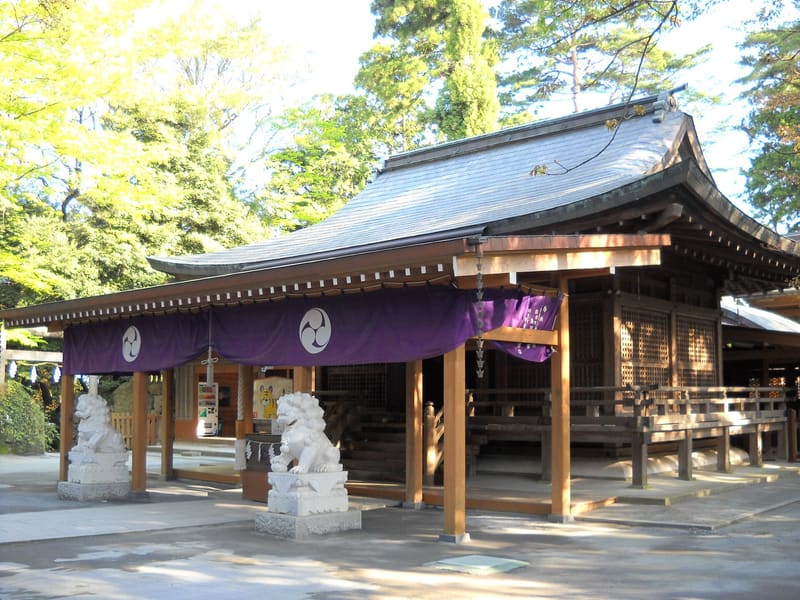 Karasawayama-jinja — the cat shrine13.3 kmphoto by 韋駄天狗 · CC BY 3.0
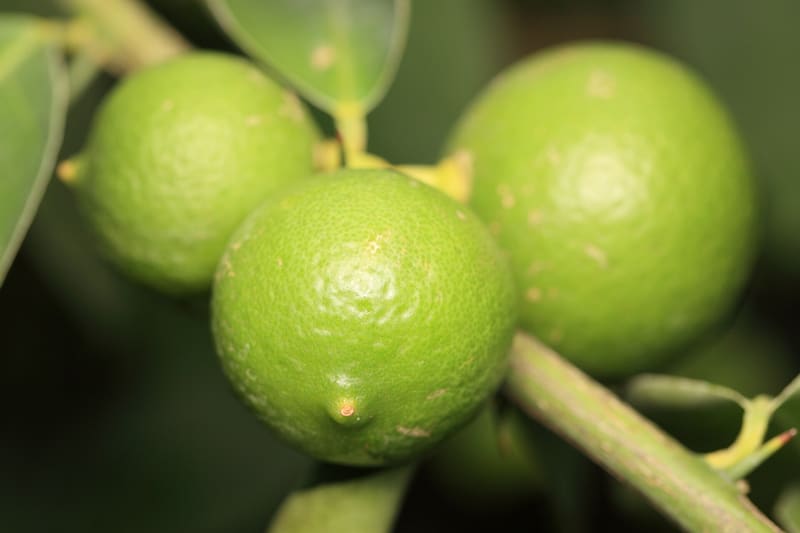 Tochigi Flower Center16.5 kmphoto by TANAKA Juuyoh (田中十洋) from Japan · CC BY 2.0