
Nobuyasu, son of Ieyasu, took his own life here in 1579: a national historic site since 2018.
The stone walls of the keep remain, on a small site with free access and parking for about ten cars. About 500 metres away, on the neighbouring hill, stands Tobayama Castle, fortified in June 1575 for the final siege: its V-shaped moat is 5 metres deep, 10 wide and 20 long. At the foot of the hill, Seiryū-ji temple holds Nobuyasu's mausoleum.
Futamata Castle was fought over in the clashes between the Takeda and the Tokugawa from 1572 to 1575. In 1579 Matsudaira Nobuyasu, eldest son of Tokugawa Ieyasu, was forced into seppuku (自刃, ritual suicide) right here, on his father's orders: an episode that the municipality's page reports in these very words (‘1579年には徳川家康の嫡子、松平信康が二俣城で自刃する事件も起こっています’). On 13 February 2018 the castle was designated a national historic site (史跡) together with the nearby Tobayama Castle, fortified in June 1575 for the final siege of Futamata: the joint designation is called ‘二俣城跡及び鳥羽山城跡’ (historic sites of Futamata and Tobayama).
ℹ️ Free entry, car park for about 10 cars. Tobayama Castle is about 500 metres away, 15 minutes uphill on foot: same national designation, remains of a V-shaped moat measuring 5x10x20 metres. The Seiryū-ji temple, with Nobuyasu's mausoleum behind a red gate bearing the Tokugawa crest, is about 400 metres away, grounds free to enter every day, car park for 5 cars. Ten minutes on foot from Futamata-Honmachi Station (Tenryū Hamanako Railway).
🚉 Futamata-Hommachi · 16 min walk
Holidays in Japan? Plan them with us.Over 2,000 real places, a day-by-day itinerary.FreeOpen the map →Sources: city.hamamatsu.shizuoka.jp · online.bunka.go.jp · ja.wikipedia.org · kojodan.jp · kojodan.jp
Nearby
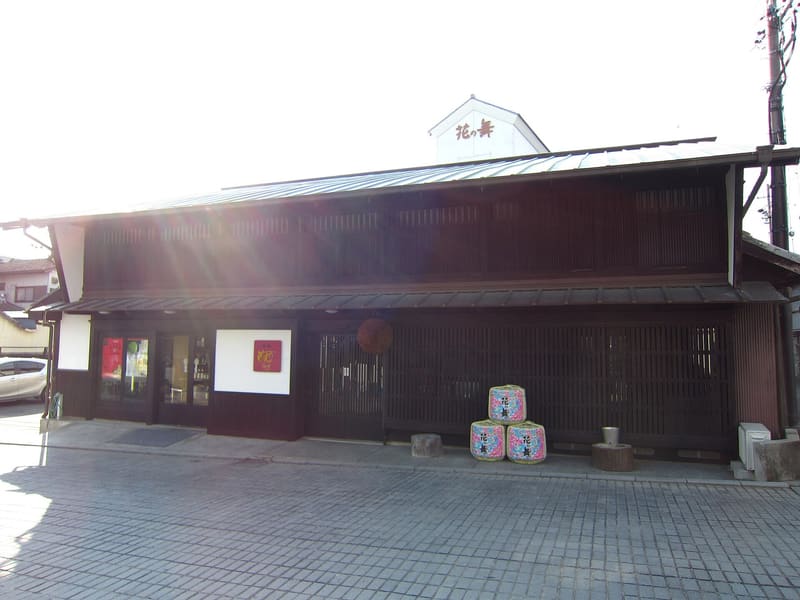 Hananomai Sake Brewery5.2 kmphoto by Sato S · CC BY-SA 3.0
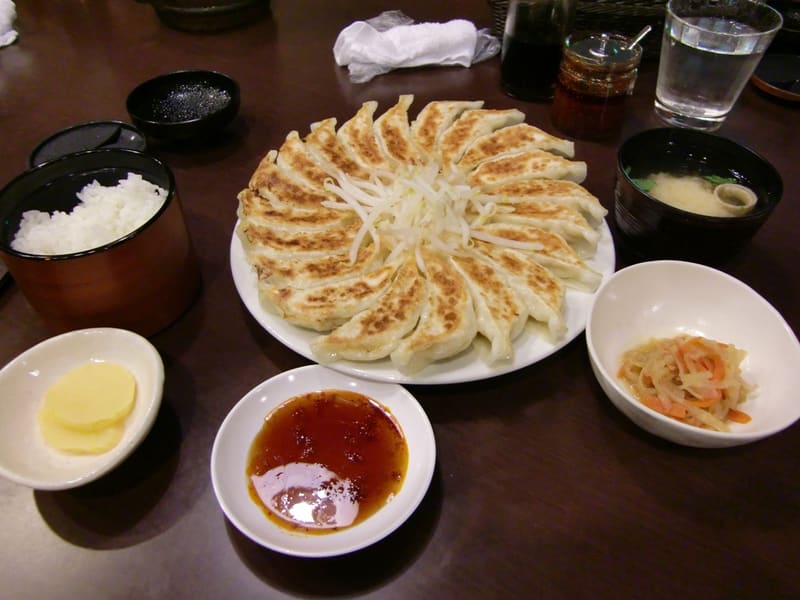 Ishimatsu Gyōza, original restaurant7.8 kmphoto by しんかわな · CC BY-SA 3.0 (anche GFDL)
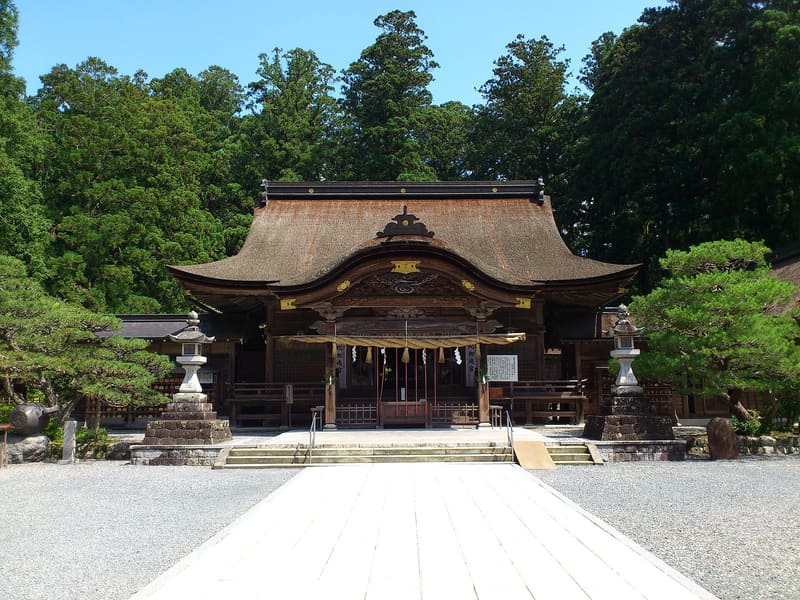 Okuni Shrine8.4 kmphoto by Kenchan3229 · CC BY-SA 3.0
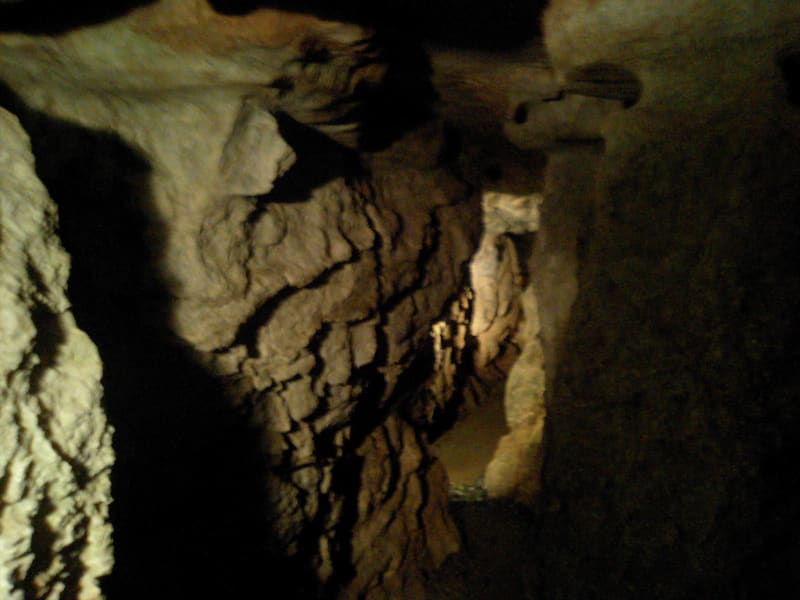 Washizawa Wind Cave8.9 kmphoto by MH001 · Pubblico dominio