
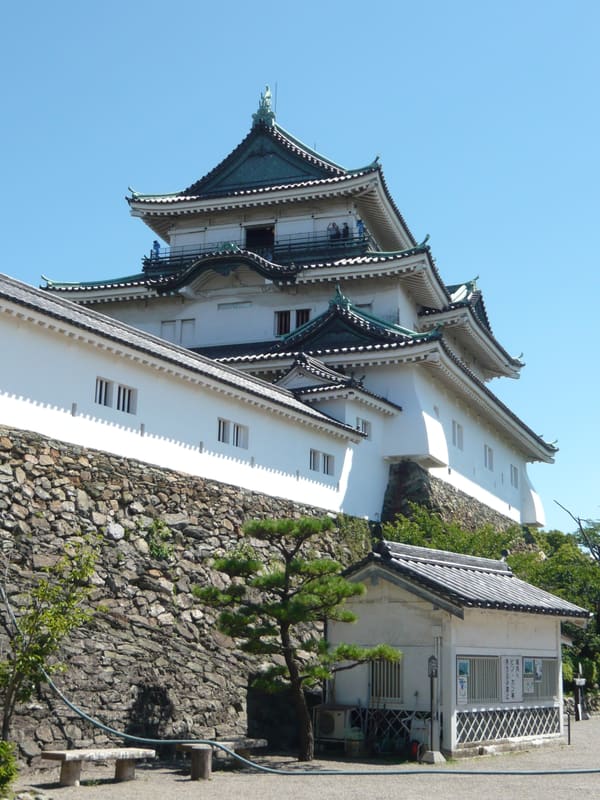
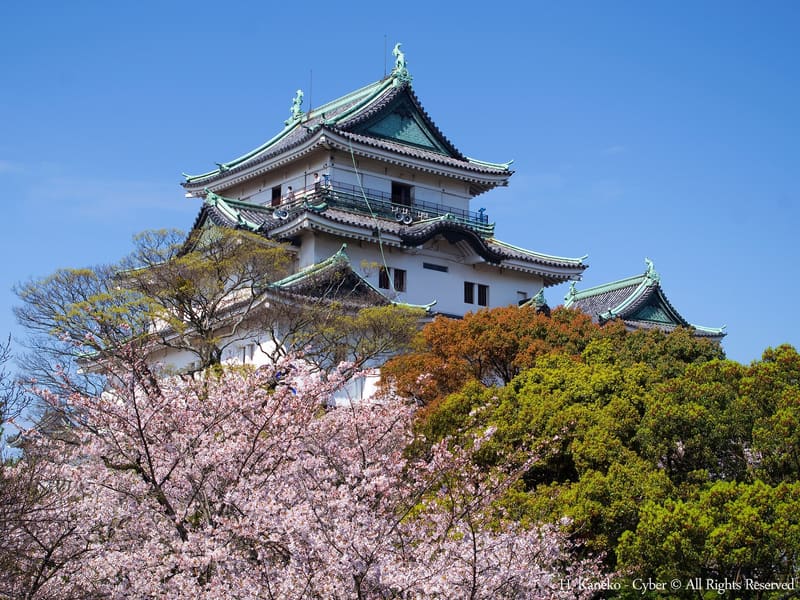
The eighth shōgun, Yoshimune, came from here: it was the seat of a collateral branch of the Tokugawa.
Built in 1585 on the orders of Toyotomi Hideyoshi, who entrusted its supervision to his brother Toyotomi Hidenaga, in 1619 the castle became the seat of the Kishū domain, ruled by one of the three collateral branches of the Tokugawa family (御三家). From this branch came Tokugawa Yoshimune, who in 1716 became the eighth shōgun, the military general who in practice governed Japan in the emperor's name. The current tenshu (the main tower), in reinforced concrete, is a 1958 reconstruction: the original, rebuilt in 1850 after a lightning strike in 1846, was destroyed by bombing in 1945.
National Historic Site since 1931; the Okaguchi Gate and the stone walls have been Important Cultural Properties since 1957; the Nishinomaru Garden, at the foot of the castle, is a national Place of Scenic Beauty. It is castle number 62 on the list of Japan's hundred best castles (2006).
ℹ️ Park and Nishinomaru Garden free and always open; the tenshu (museum) requires a ticket, exact hours and price to be checked on the official site. 10 minutes on foot from Wakayama-shi Station (Nankai and Kintetsu lines).
🚉 Wakayamashi · 18 min walk
Holidays in Japan? Plan them with us.Over 2,000 real places, a day-by-day itinerary.FreeOpen the map →Sources: ja.wikipedia.org
Nearby
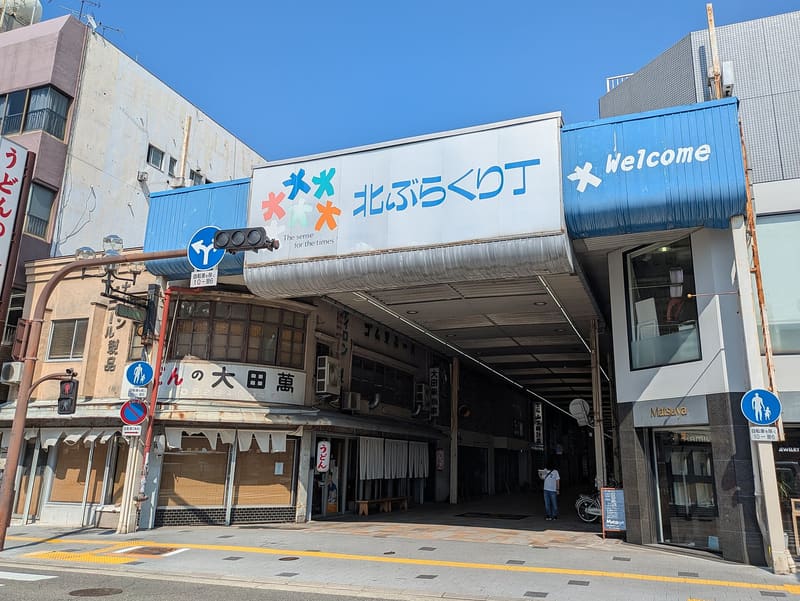 Burakurichō800 mphoto by Suikotei · CC BY 4.0
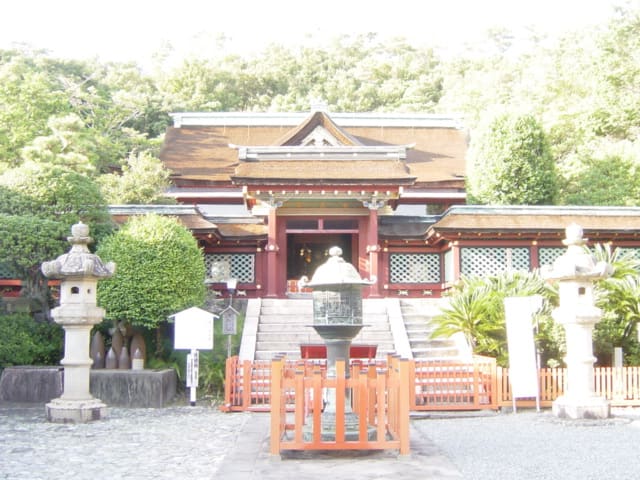 Kishū Tōshō-gū3.9 kmphoto by kouko0515 · Public domain
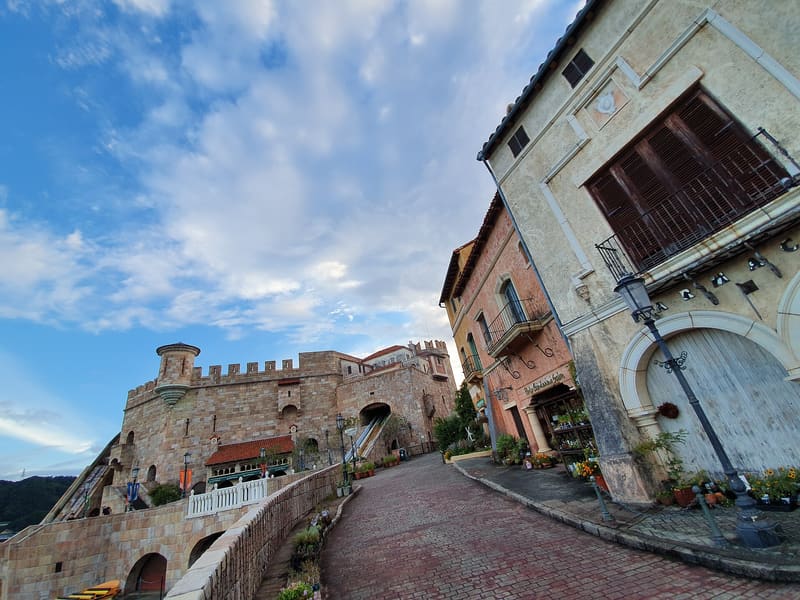 Porto Europa, Wakayama Marina City8.2 kmphoto by Syced · CC0
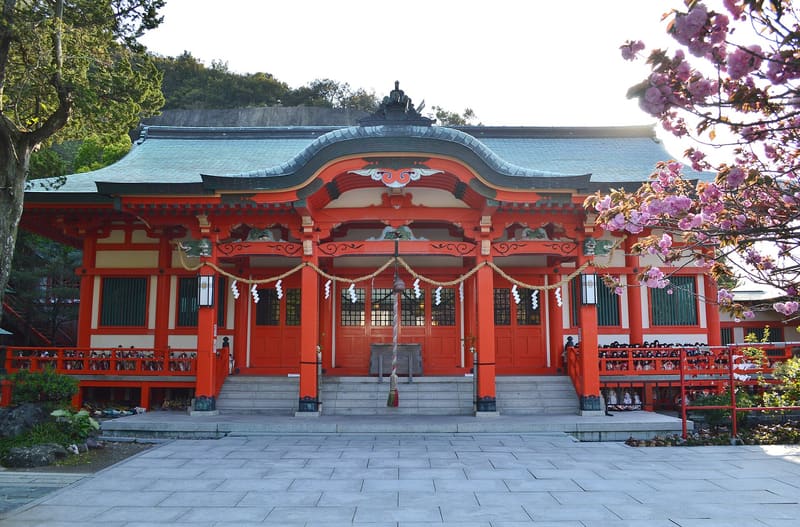 Awashima Jinja, the doll shrine11 kmphoto by Saigen Jiro · CC0