
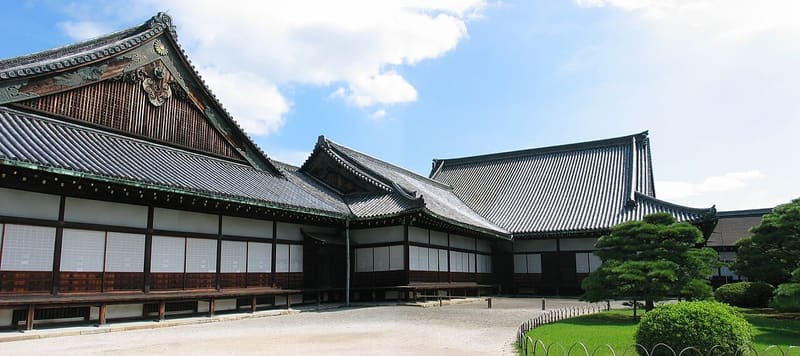
In 1867 power returned to the emperor in this hall; the floor sings with every step.
The Ninomaru Palace, the residence of the second enclosure, is made up of six buildings and holds about 3,600 painted panels, 1,016 of them state cultural properties since 1982. You walk on the uguisubari, the ‘nightingale floor’: nails and clamps rub together, and the wood creaks with every step so that nobody can get in unnoticed. In the great hall, in 1867, Tokugawa Yoshinobu announced that he was returning power to the emperor.
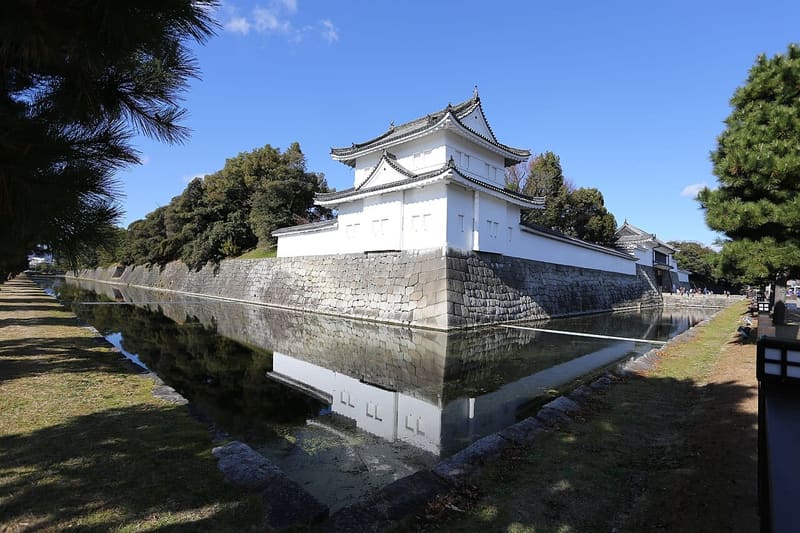
Built in 1603 by Tokugawa Ieyasu, first head of the Tokugawa military government, to keep watch on the imperial palace in Kyoto and to stay in when he came up to the city. It covers 275,000 m², about 600 metres by 400, with two kilometres of walls. The Ninomaru Palace, six buildings, is a National Treasure, and its garden is a ‘Special Place of Scenic Beauty’; another 22 buildings are state cultural properties. UNESCO World Heritage Site since 1994.
ℹ️ Admission charged, with opening hours.
🚉 Nijojo-mae · 8 min walk
Holidays in Japan? Plan them with us.Over 2,000 real places, a day-by-day itinerary.FreeOpen the map →Assassination Classroom
A stop on Class 3-E's school trip to Kyoto. The rooms of the Ninomaru Palace have the famous ‘nightingale floors’, which squeak on purpose to give away an intruder, a detail that suits the series well.
Sources: nijo-jocastle.city.kyoto.lg.jp · anime-tourism.jp · nijo-jocastle.city.kyoto.lg.jp · nijo-jocastle.city.kyoto.lg.jp
Nearby
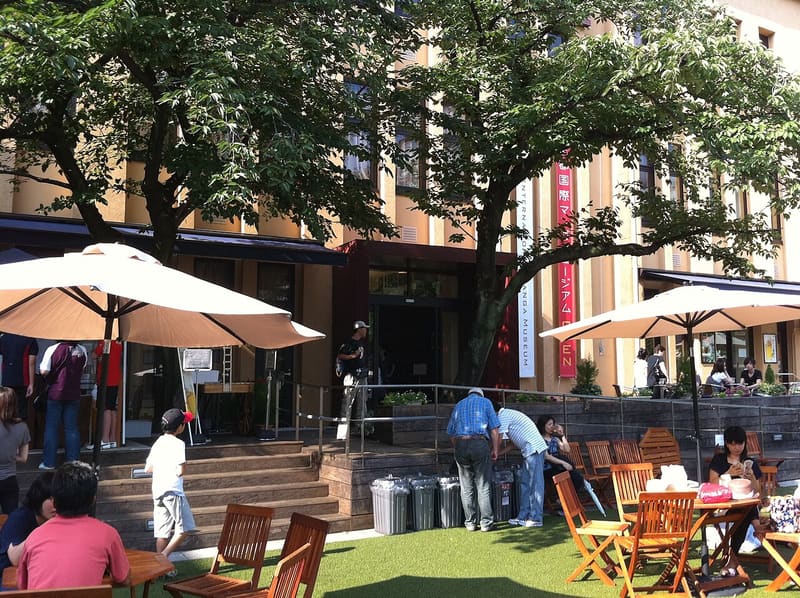 Kyoto International Manga Museum1000 mphoto by akyuna · CC BY 3.0
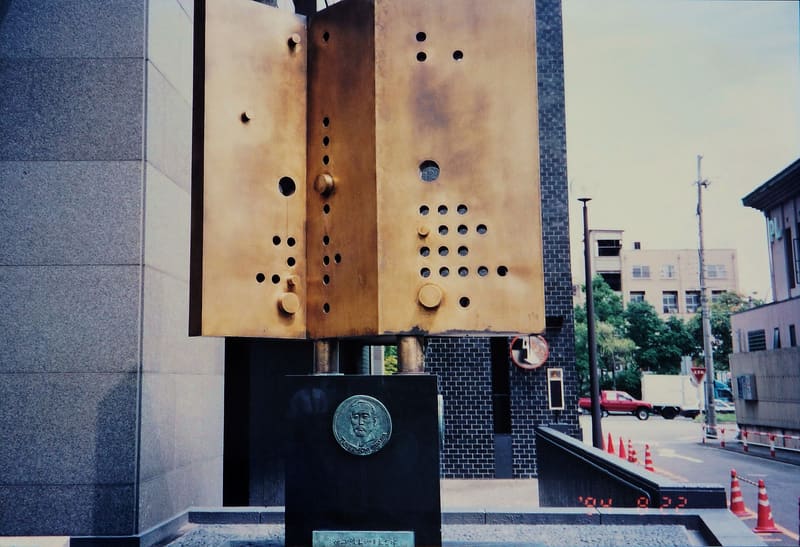 Nishijin Textile Center1.7 kmphoto by lienyuan lee · CC BY 3.0
 Nishiki Market1.8 kmphoto by KimonBerlin · CC BY-SA 2.0
 Teramachi and Shinkyogoku1.9 kmphoto by Michael Ocampo from United States · CC BY 2.0