
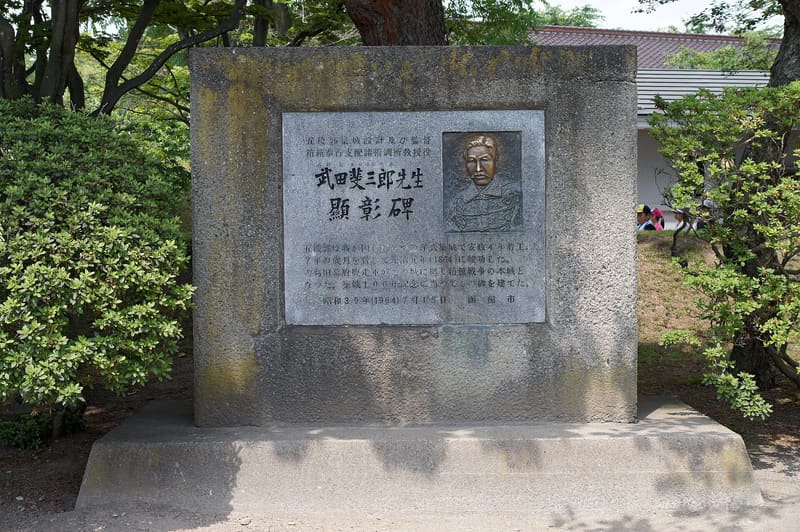
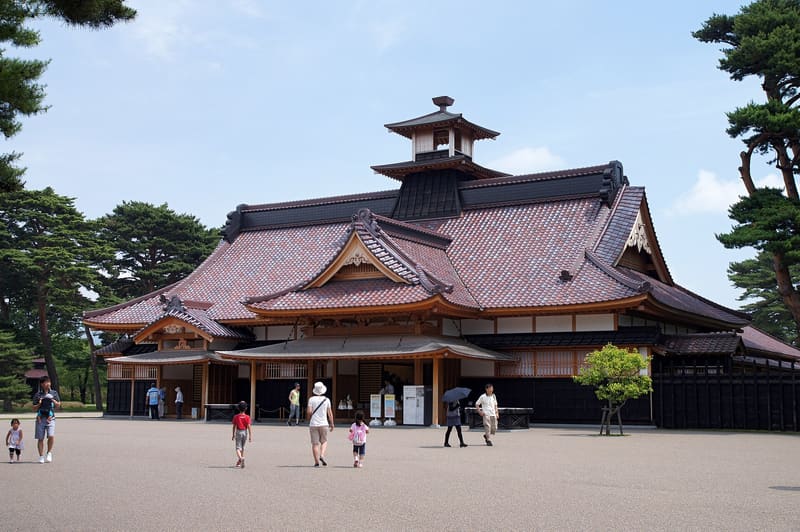
It was here, in May 1869, that the last armed resistance of the old Japanese government surrendered.
From above, the fort reveals its five-pointed shape, which is exactly what its Japanese name means: it was designed by Takeda Hisasaburō so that the artillery of each bastion covered the blind spots of the others. It was here, in May 1869, that the last resistance of the shōgun (the warlords who ruled Japan for two and a half centuries) surrendered, bringing the Boshin civil war to an end.
Completed in 1866, it was Japan's first Western-style fort. About 1,600 cherry trees were planted from 1913 onwards, not as a landscaping project but as a promotional initiative by the local daily Hakodate Nichinichi for its 10,000th edition.
ℹ️ The park and moat of the fort are a public area, always accessible on foot or by bicycle.
🚉 Goryokaku-Koen-Mae · 15 min walk
Holidays in Japan? Plan them with us.Over 2,000 real places, a day-by-day itinerary.FreeOpen the map →Sources: ja.wikipedia.org
Nearby
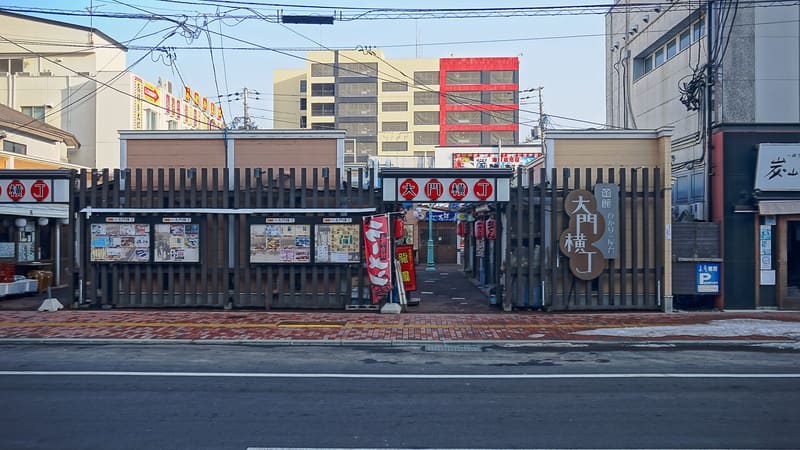 Daimon Yokocho — Hikari no Yatai3.5 kmphoto by 掬茶 · CC BY-SA 4.0
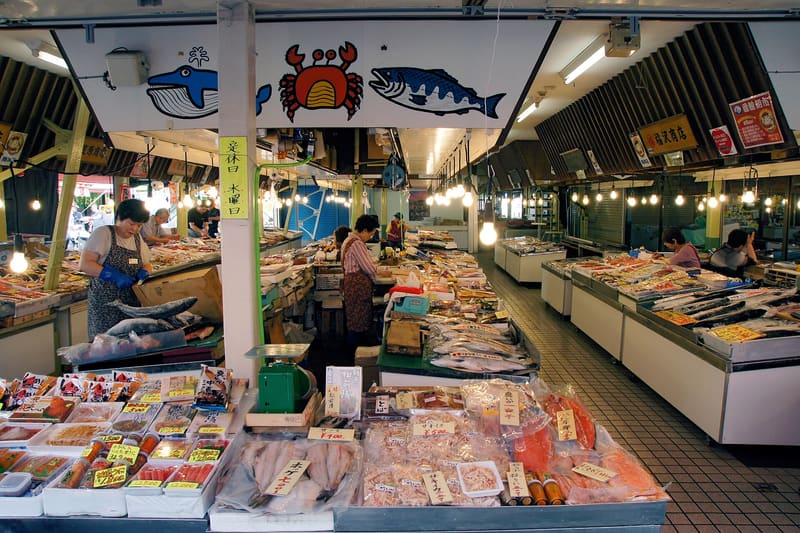 Hakodate Morning Market3.8 kmphoto by 663highland · CC BY 2.5
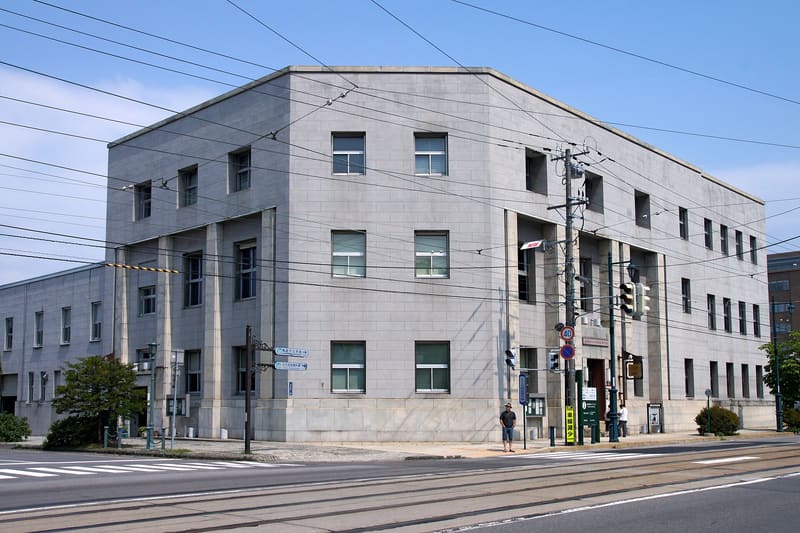 Hakodate Museum of Northern Peoples5 kmphoto by 663highland · CC BY 2.5
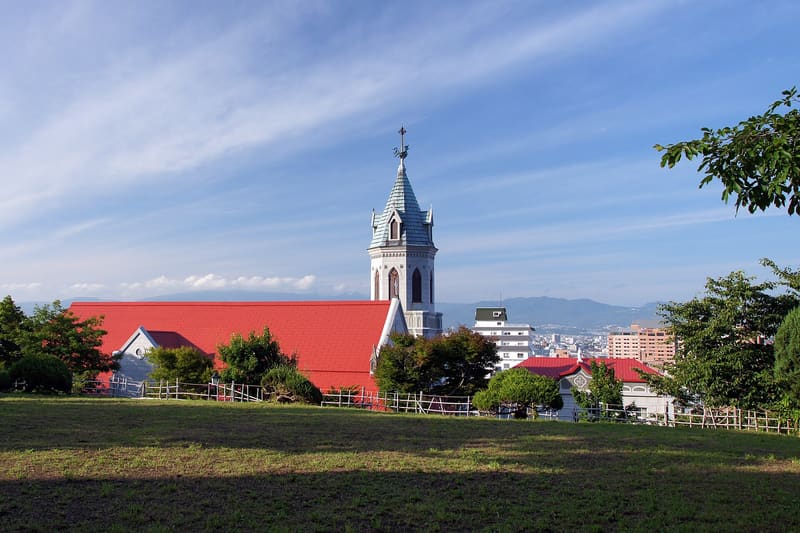 The Three Churches of Motomachi5.3 kmphoto by 663highland · CC BY 2.5