
The area, which escaped the bombing, was a black market known as ‘the Shanghai of Japan’.
South of Funabashi Station, the narrow alleys of Nakadōri and Yamaguchi Yokochō keep the atmosphere of a post-war era never entirely erased: narrow signs, two-storey izakaya, the odd wooden façade that has survived, such as the izakaya ‘Tōrō’, opened in 2022 inside an old Shōwa-style house. By day it is an ordinary neighbourhood; after dark the signs light up and the tables fill.
The area around Funabashi Station, which was not hit by the bombing, became an important freight distribution hub after the war: the black market thrived there to the point of earning the nickname ‘Nihon no Shanhai’ (the Shanghai of Japan), according to the Wikipedia article on the city.
ℹ️ Public alleys, always accessible; the venues mostly open in the evening (myfuna.net for checking a specific one).
🚉 Keisei Funabashi · 3 min walk
Holidays in Japan? Plan them with us.Over 2,000 real places, a day-by-day itinerary.FreeOpen the map →Sources: ja.wikipedia.org · myfuna.net
Nearby
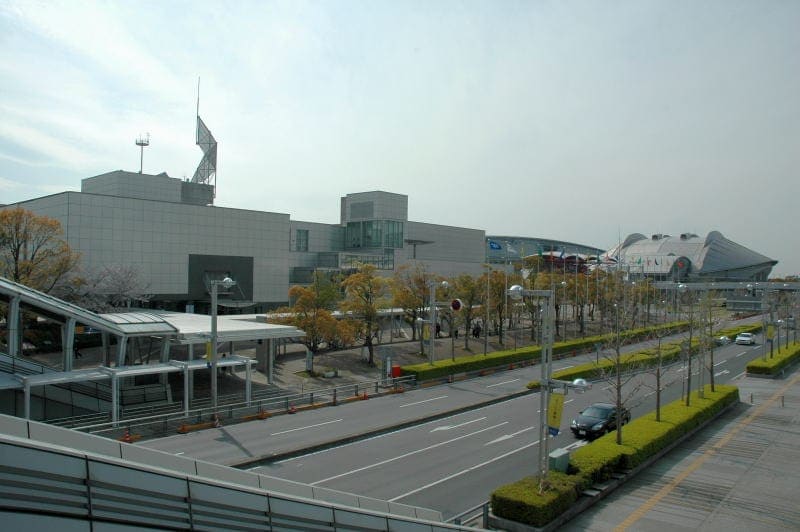 Makuhari Messe7.1 km
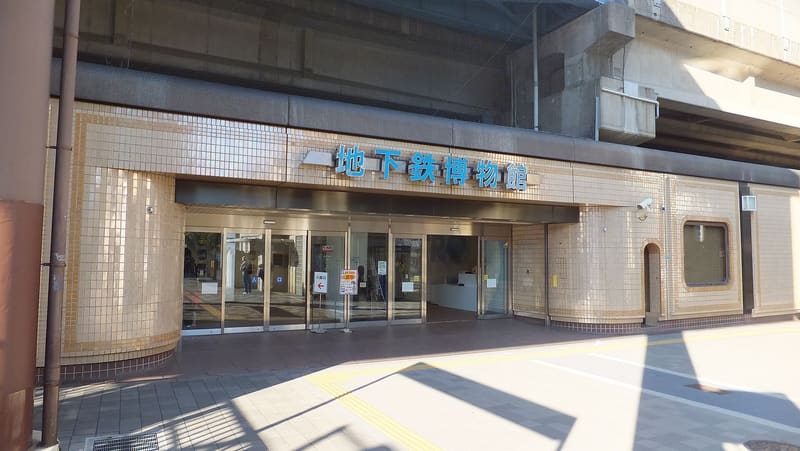 Metro Museum10.9 kmphoto by 抹茶 · CC BY-SA 3.0
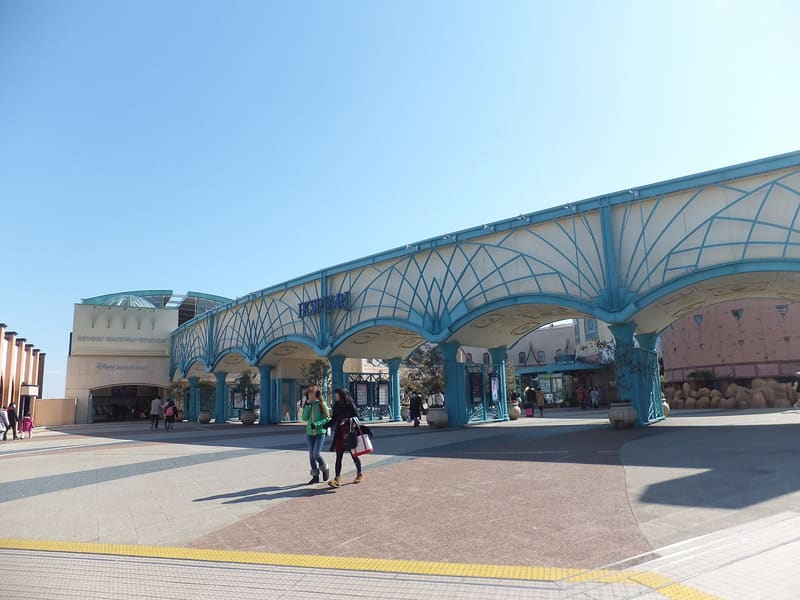 Ikspiari11.6 kmphoto by 掬茶 · CC BY-SA 3.0
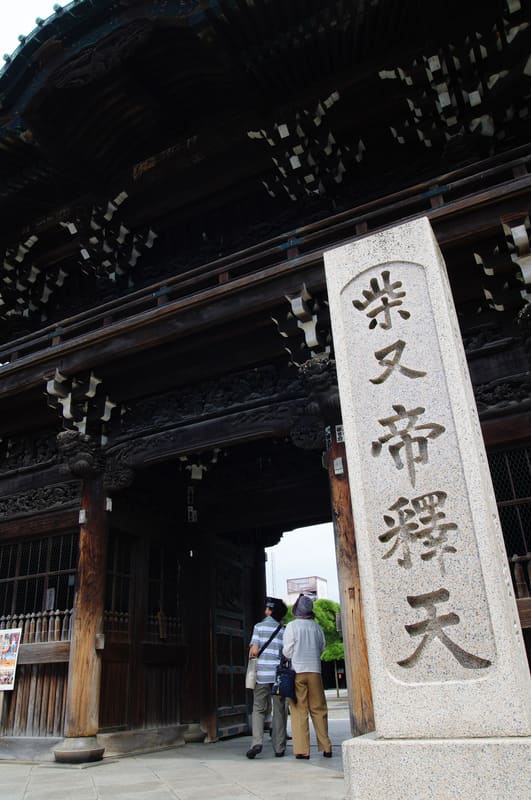 Shibamata Taishakuten and its street11.8 kmphoto by 福原邦展 · CC BY 3.0