
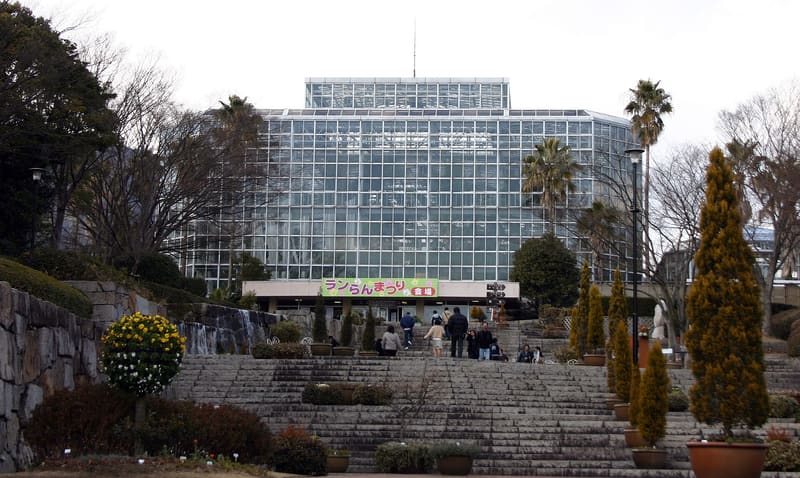
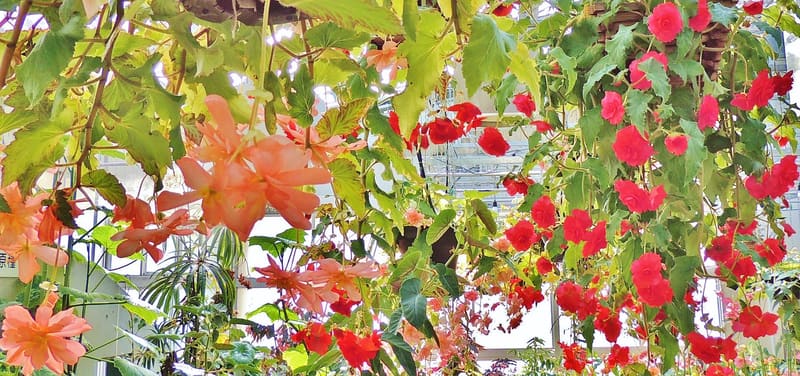
In the greenhouse, one of the largest in western Japan, begonias bloom all year round.
Under the high ceiling of the large greenhouse grow banana, cacao, papaya and coconut, and you see them hanging from the plant instead of on the plate. The operator describes it as one of the largest in western Japan, and inside it tuberous begonias bloom all year round. Outside, on the Kurashige hill, a clematis section keeps enthusiasts busy in the right season.
Hiroshima's municipal botanical garden occupies the Kurashige hill, in the Saeki district, in the west of the city. Its greenhouse is the main attraction: the official page describes it as one of the largest in western Japan, and tuberous begonias are grown there (the same page calls them ‘the most beautiful in the world’) together with tropical fruit plants. The rest of the garden has a clematis section and paths on the hill.
ℹ️ Open 9:00–16:30, last entry at 16:00; closed on Fridays (with exceptions for events, for 8 June and for national holidays) and from 29 December to 3 January. Adult ticket (aged 18–64) 510 yen, 65 and over 170 yen with ID, high school students 170 yen, free from junior high down; the annual pass valid for the three municipal gardens costs 1,560 yen (510 for seniors). From Itsukaichi Station (JR or Hiroden), bus ‘植物公園経由・薬師が丘団地行き’ in about 20 minutes; by car about 30 minutes from central Hiroshima.
🚉 Joyama · 25 min walk
Holidays in Japan? Plan them with us.Over 2,000 real places, a day-by-day itinerary.FreeOpen the map →Sources: hiroshima-bot.jp · hiroshima-bot.jp · city.hiroshima.lg.jp · jalan.net
Nearby
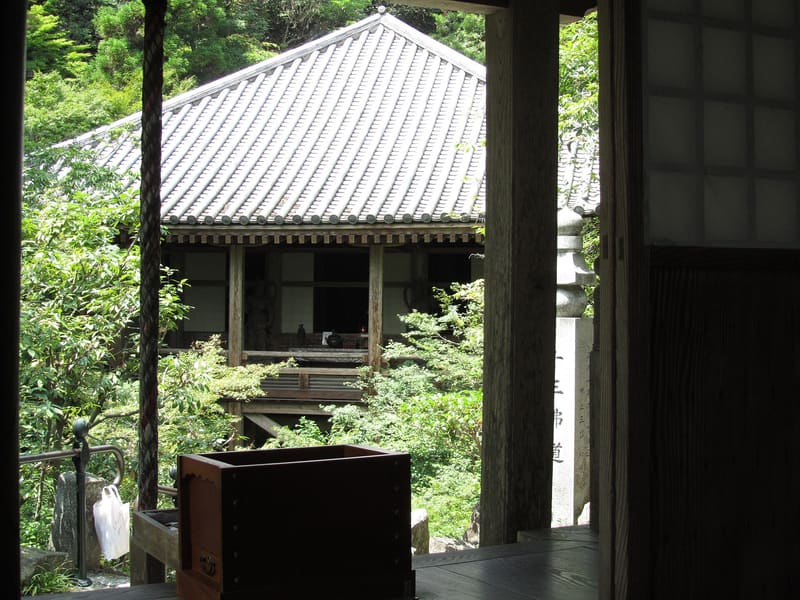 Mitaki-dera8.8 kmphoto by Binabik155 · CC BY-SA 3.0
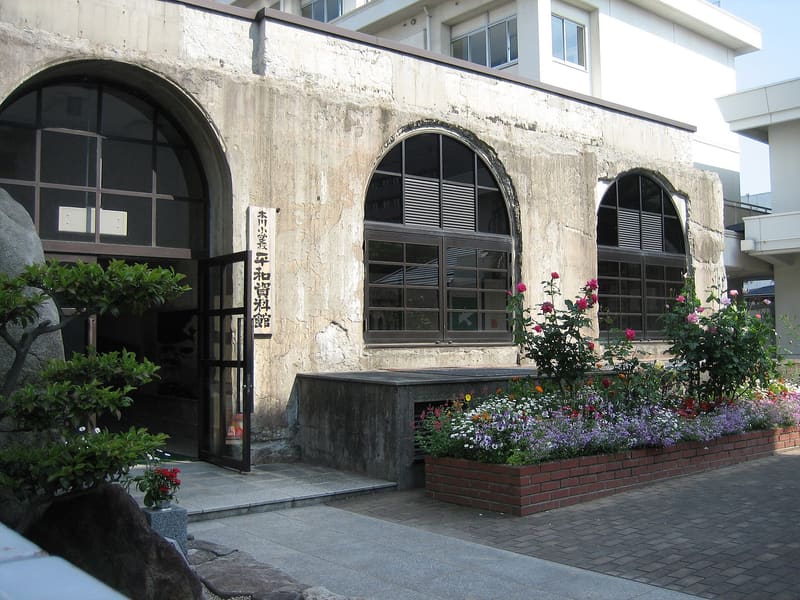 Honkawa School Peace Museum9.6 kmphoto by Kiyokun · Pubblico dominio
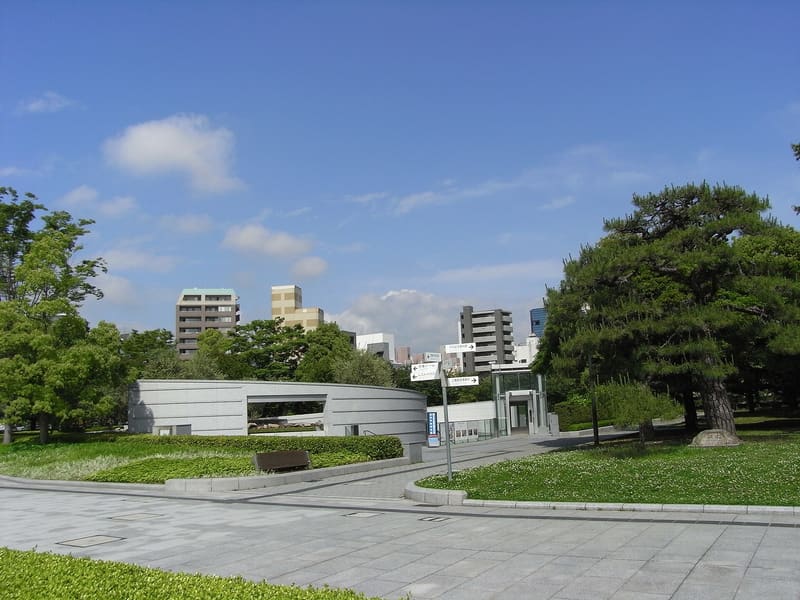 Hiroshima National Memorial Hall for the Atomic Bomb Victims9.6 kmphoto by Taisyo · CC BY-SA 3.0
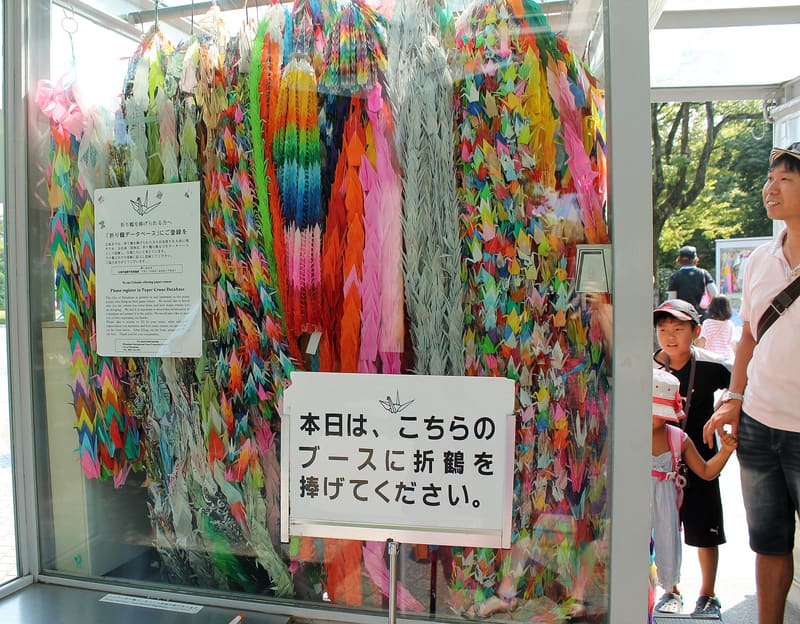 Children's Peace Monument9.8 kmphoto by Sarah Stierch · CC BY 4.0