
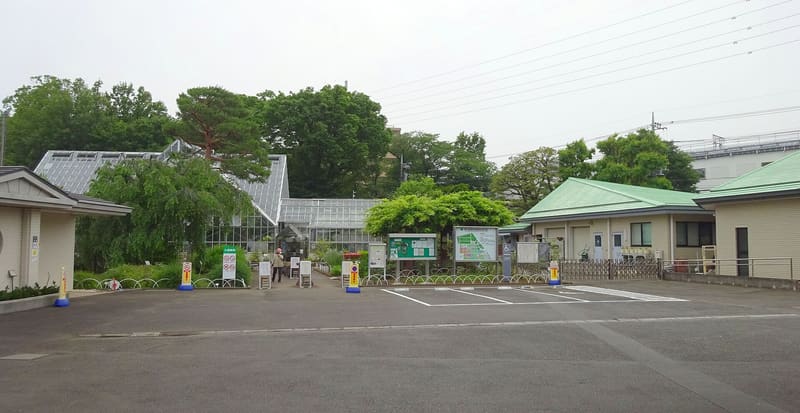
It grows the opium poppy under supervision, for identifying drugs.
In a double-fenced area closed to the public, the garden grows the opium poppy (ケシ) for research and identification; growing it privately is prohibited by the opium law. It is one minute on foot from Higashiyamato Station, but it is not a flower garden in the usual sense: the flowers are chosen for their pharmacological use, not for the scenic effect.
A free public botanical garden, run by Tokyo Prefecture since 1946 and specialising in medicinal and herbal plants. Sources disagree on the number of species grown: Japanese Wikipedia says about 750, the city of Kodaira about 1,600; neither is the garden's official page, which gives no number.
ℹ️ April–September 9:00–16:30, October–March 9:00–16:00. Free entry. Closed on Mondays (the following day if Monday is a public holiday) and from 29 December to 3 January. In summer there are a lot of mosquitoes, according to several reviews.
🚉 Higashiyamatoshi · 6 min walk
Holidays in Japan? Plan them with us.Over 2,000 real places, a day-by-day itinerary.FreeOpen the map →Sources: tmiph.metro.tokyo.lg.jp
Nearby
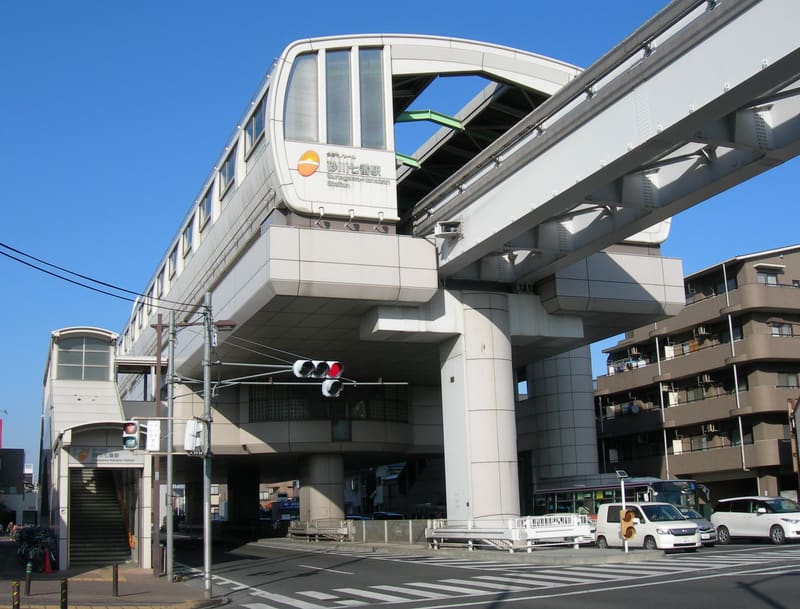 Sunagawa-nanaban Station1.8 kmphoto by Rsa · CC BY-SA 3.0
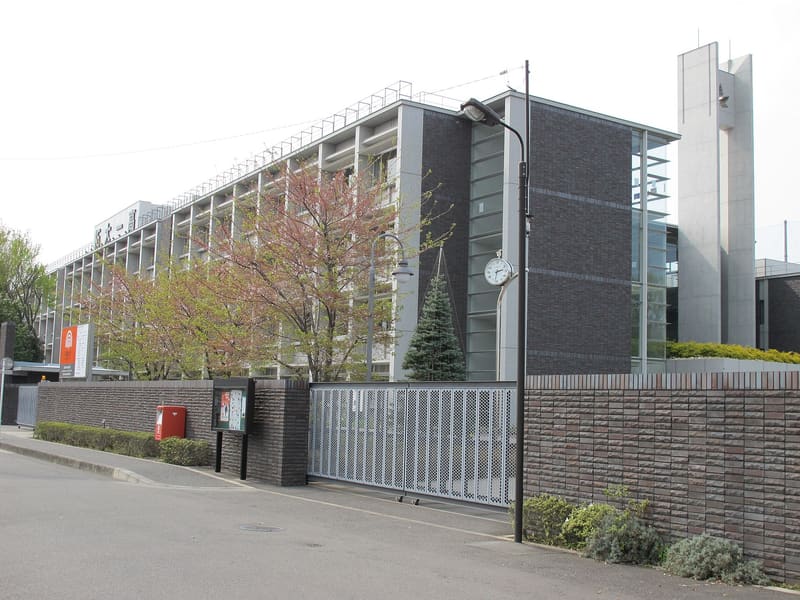 Takushoku Daiichi High School1.9 kmphoto by 路側帯 · Public domain
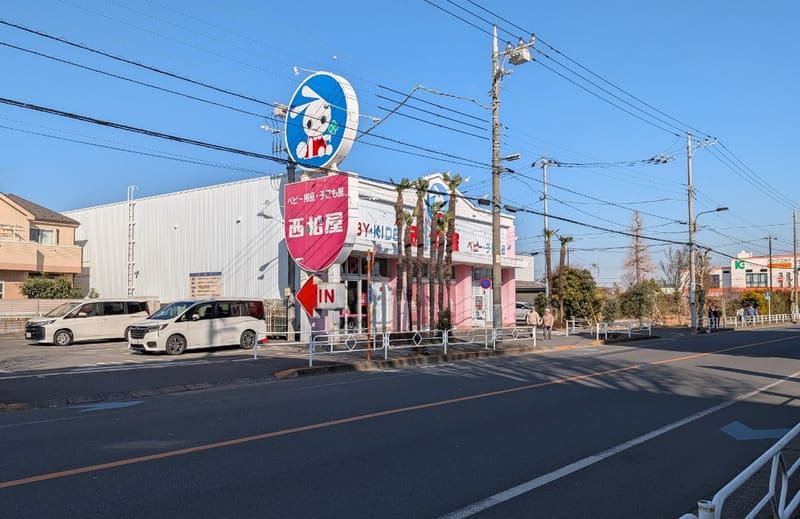 Nishimatsuya, Tachikawa-Kashiwacho2.4 km
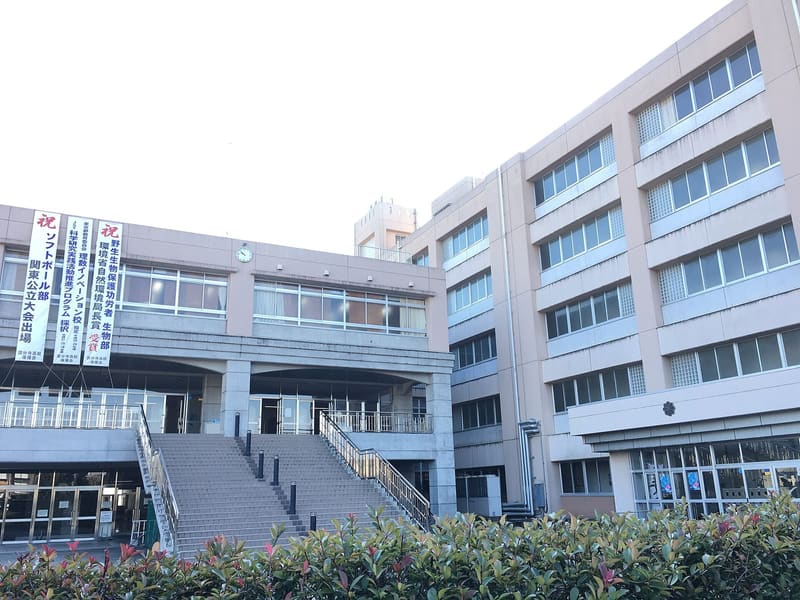 Kokubunji High School2.6 kmphoto by RUE RID · CC BY-SA 4.0