
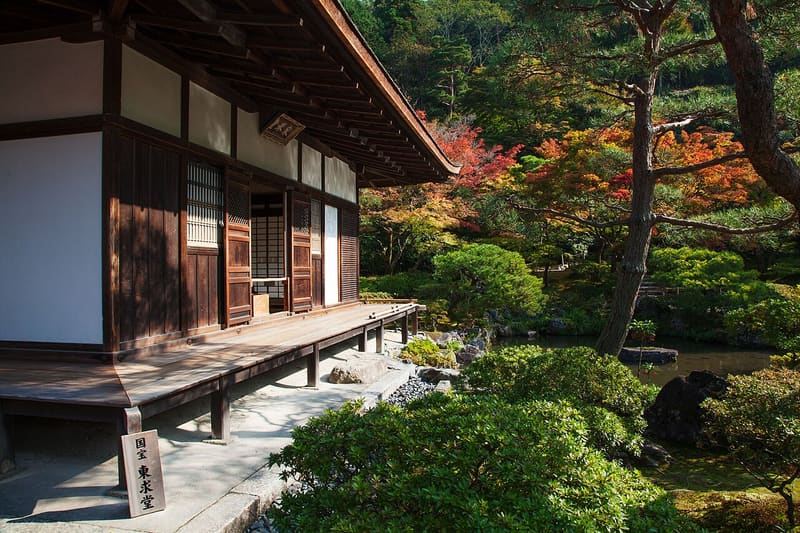
The Silver Pavilion was never covered in silver: a 2007 analysis confirmed it.
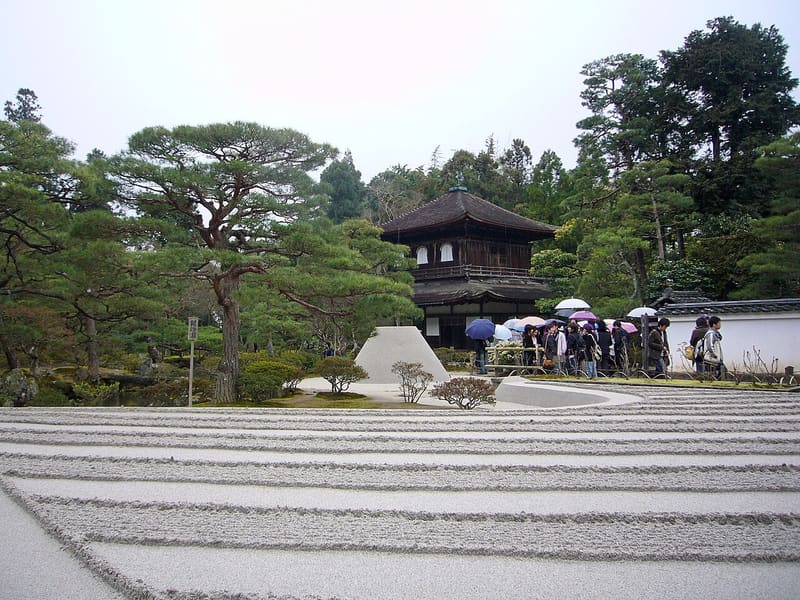
For centuries people debated why the ‘Silver Pavilion’ is black and not silver: a lack of funds, the shogun's death before it was finished. A scientific survey in 2007 settled the question: the surface never carried silver leaf, and was always lacquered black. The name has stayed all the same, by contrast with the golden Kinkaku-ji that the shogun's grandfather had built before it. In the sand garden, the Ginshadan is a wave of raked white sand, and beside it stands the Kōgetsudai, a cone of sand built to mirror the moon.
Built in 1489 on the orders of the shogun Ashikaga Yoshimasa as his retirement villa, on the model of the Kinkaku-ji built by his grandfather Yoshimitsu; on Yoshimasa's death it became a Zen temple of the Rinzai sect. A UNESCO World Heritage Site since 1994.
ℹ️ Open 8:30–17:00 from the beginning of March to the end of November, 9:00–16:30 from December to the end of February. Tickets 500 yen for adults and high school students, 300 yen for junior high and elementary school students.
🚉 Ginkakuji-mae (Ginkakuji Temple) · 8 min walk
Holidays in Japan? Plan them with us.Over 2,000 real places, a day-by-day itinerary.FreeOpen the map →Sources: shokoku-ji.jp · ja.wikipedia.org
Nearby
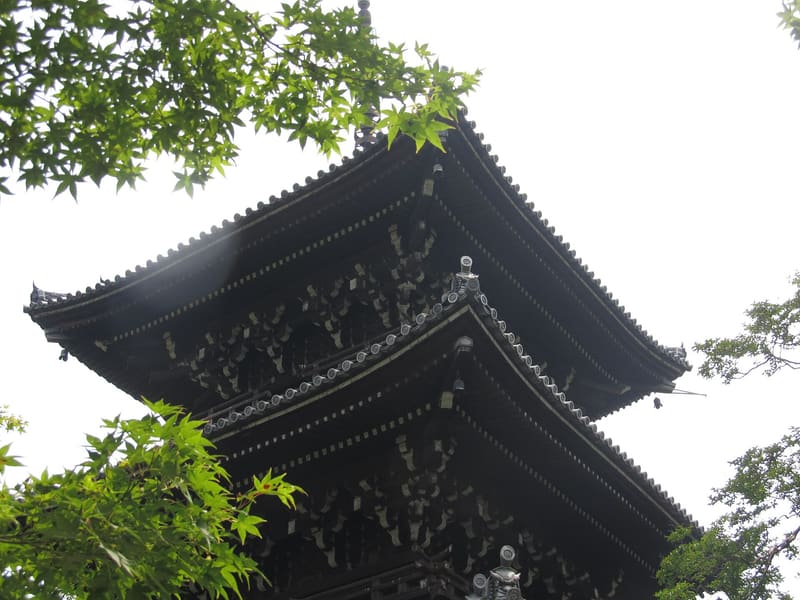 Shinnyo-dō1 kmphoto by Hikomi Moneru · CC BY 3.0
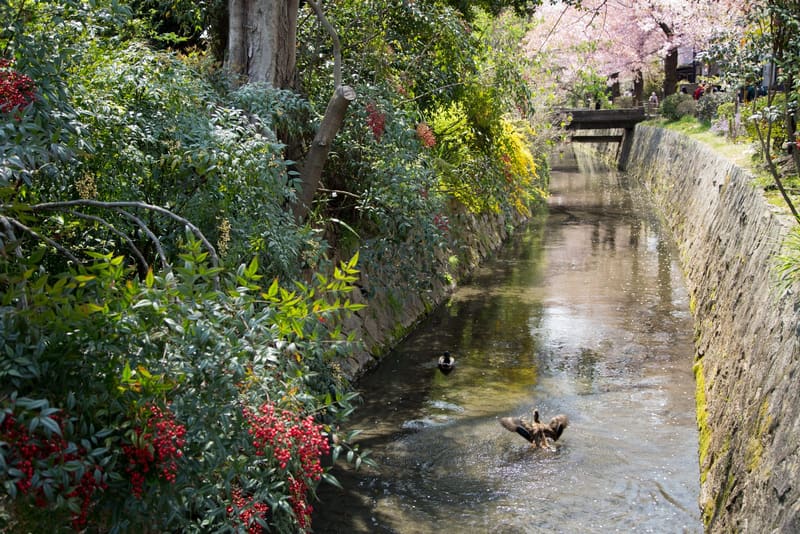 Philosopher's Path1.1 kmphoto by Yiannis Theologos Michellis · CC0
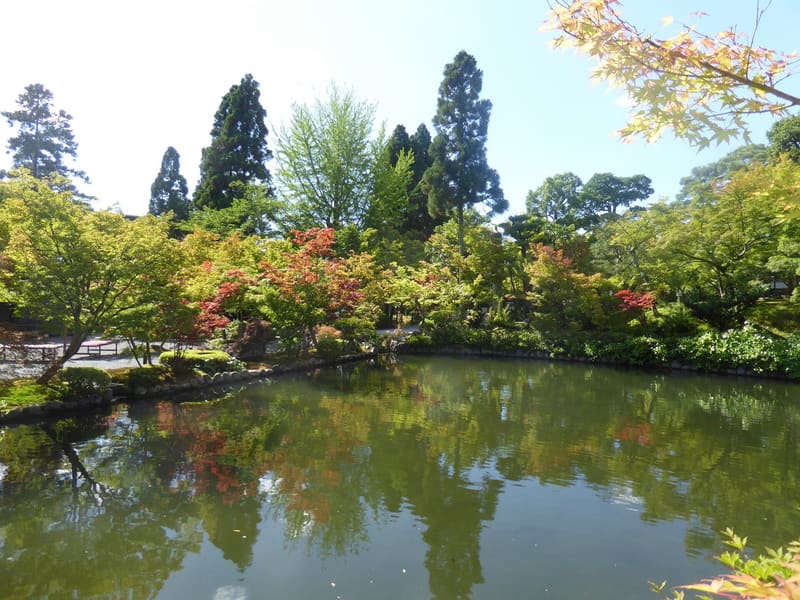 Eikan-dō Zenrin-ji1.5 kmphoto by Mikel Santamaria · CC BY-SA 3.0
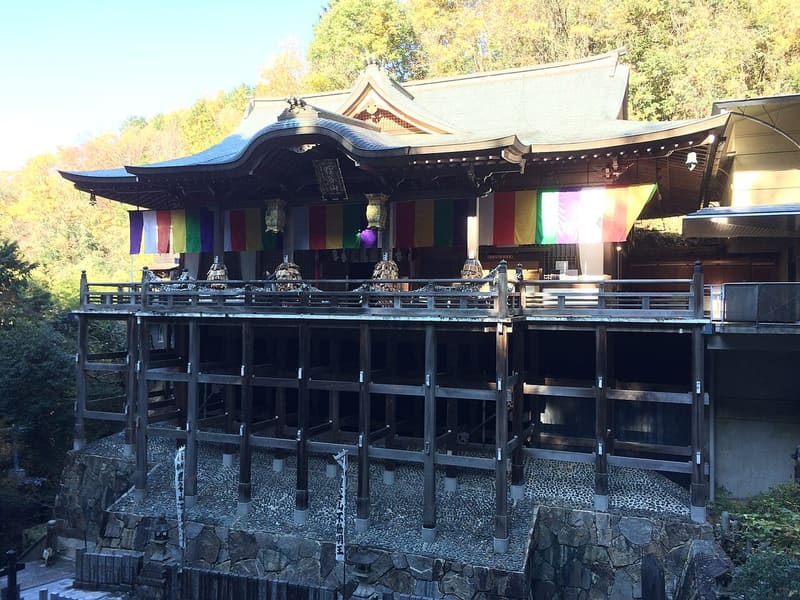 Tanukidanisan Fudoin1.6 kmphoto by KishujiRapid · CC BY-SA 4.0