
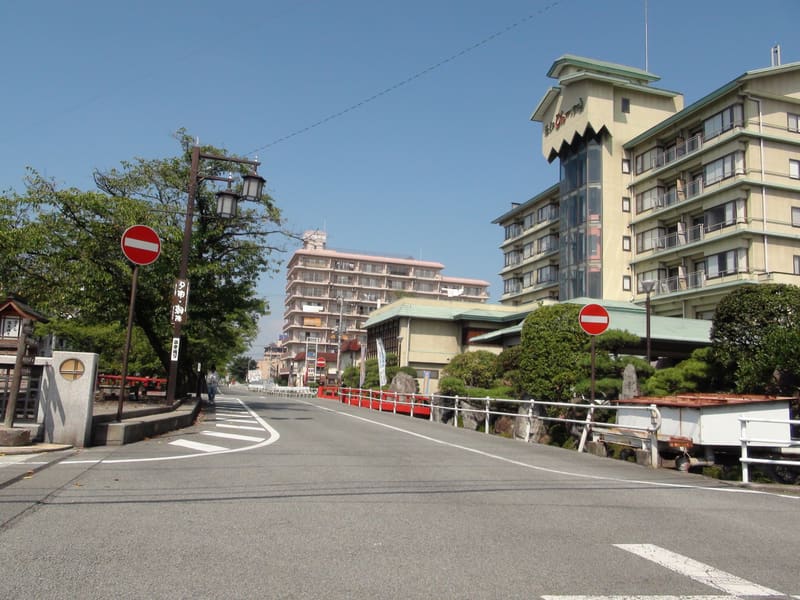
In 1961 a hotel struck 2,000 litres a minute at 49°C by chance: that was the birth of the hot spring town.
The water is simple alkaline, colourless and odourless, and supplies about 50 ryokan and hotels lined up along the bank of the Fuefuki River, fed by a network of springs managed at prefectural level; Tokyo is an hour and a half away by train.
Hot spring town that grew up in the municipality of Fuefuki along the bank of the Fuefuki River. Unlike the onsen (the hot spring towns) that grew up centuries ago around a traditional spring, Isawa was born after the war: in 1956 a farm found water above 40°C; in 1961, during work at a hotel, two thousand litres a minute gushed out at 49°C, with such force that they formed an improvised bath that made national TV. The hot spring town then grew quickly, helped by its closeness to Tokyo.
ℹ️ The area (street, bridges, shops) is always accessible; individual ryokan often offer day bathing with their own hours. Isawa Onsen Station on the JR Chūō Line, which is also the central station for the city of Fuefuki.
🚉 Isawa-Onsen · 19 min walk
Holidays in Japan? Plan them with us.Over 2,000 real places, a day-by-day itinerary.FreeOpen the map →Sources: ja.wikipedia.org
Nearby
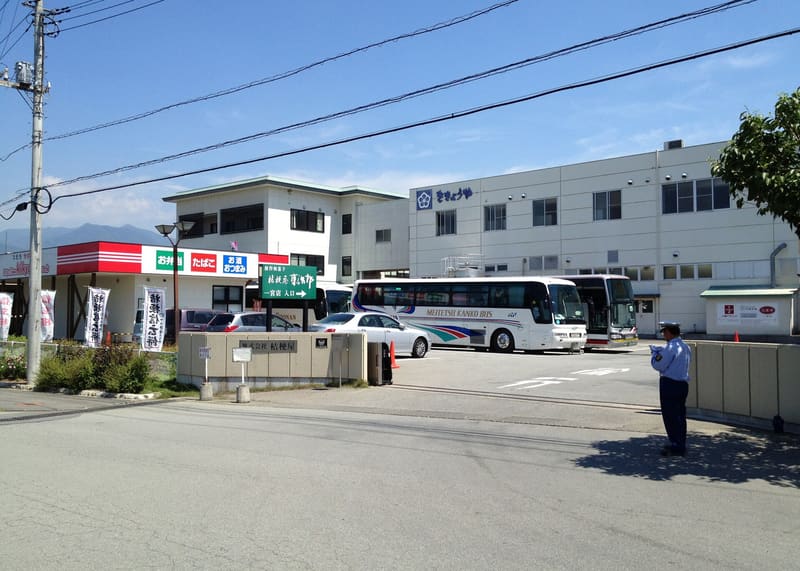 Kikyō Shingen-mochi Factory Park3.1 kmphoto by Σ64 · CC BY 3.0
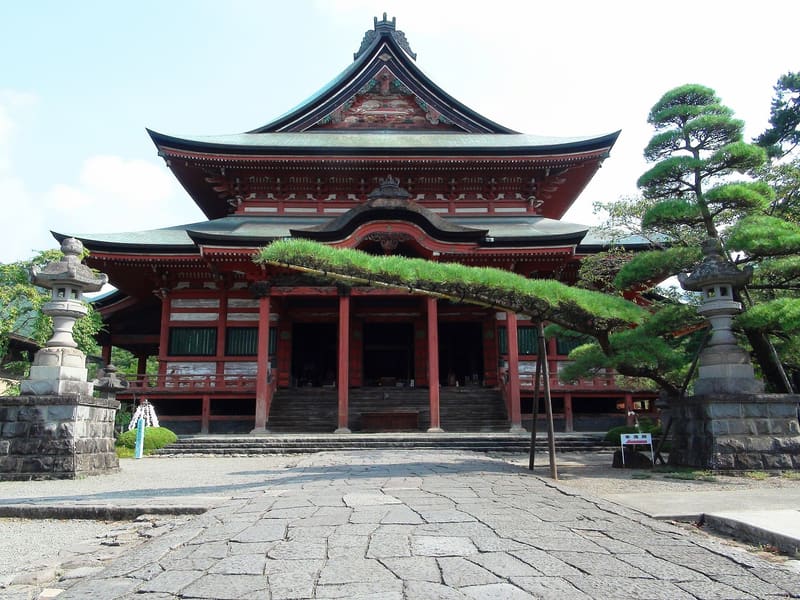 Kai Zenkō-ji3.7 kmphoto by さかおり ( talk ) · CC BY-SA 3.0
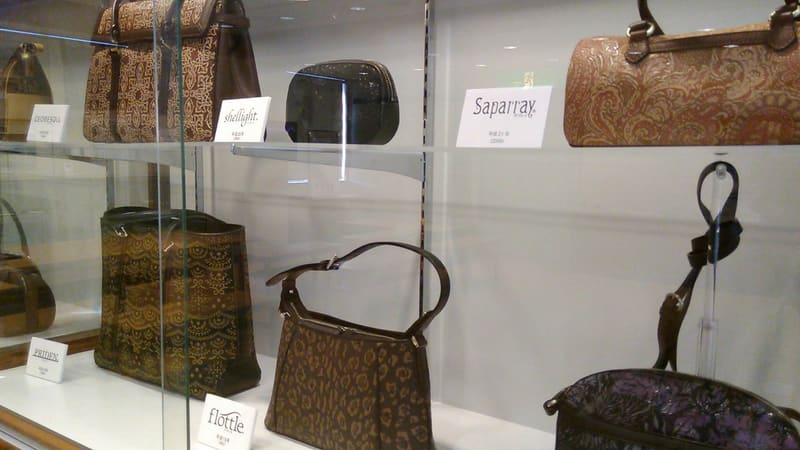 Inden-ya (historic shop and museum)5.3 kmphoto by JGDfgdfgf1 · CC BY-SA 4.0
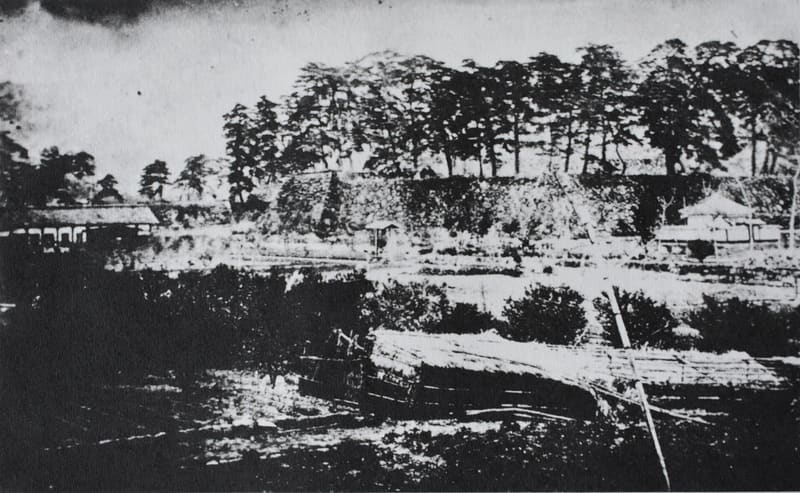 Kōfu Castle Ruins (Maizuru Park)5.7 kmphoto by 江戸村のとくぞう · CC BY-SA 4.0