
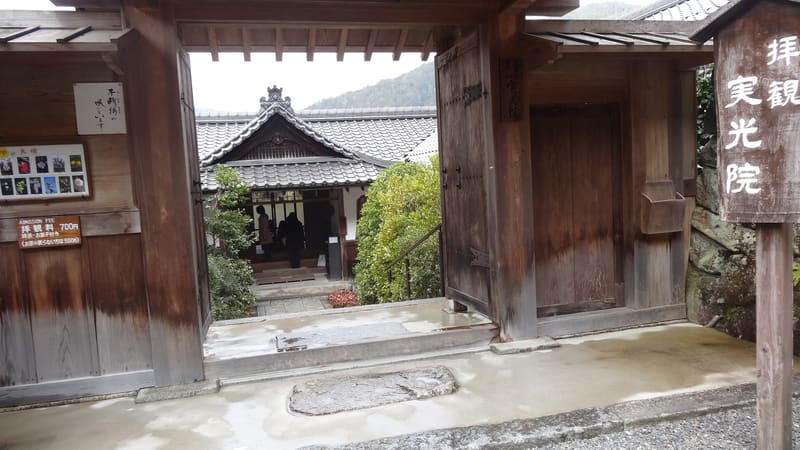
Its cherry tree blooms from the time of the red maples until spring: blossoms and leaves together.
The garden has a pond dug in the shape of the character for ‘heart’, fed by a channel, with a tea pavilion on its edge. What you will not find anywhere else in Kyoto is a cherry tree: the *fudan-zakura*, ‘the cherry that never stops’, which blooms from when the autumn reds arrive until the following spring. In November you can see cherry blossoms and blazing maples in a single glance.
The smallest of the three temples around Shōrin-in, in Ōhara. The garden is called Keishin-en and its pond has the shape of the character 心, ‘heart’. The temple lies on the Hibiki-no-michi route, the path that links the temples of the valley.
ℹ️ ¥500 adults, ¥300 children. Open 9:00–16:00 every day; in November until 16:30. ⚠️ It closes at 16:00, half an hour before the other temples of Ōhara, except, as noted, in November: if you are doing the round of the valley, put it before the others. ⚠️ On the tea, the tourist board's page contradicts itself: in one place it says the visit includes powdered green tea, in another it lists it at ¥300 extra. You need to ask at the ticket office.
🚉 Umenomiya-mae · 10 min walk
Holidays in Japan? Plan them with us.Over 2,000 real places, a day-by-day itinerary.FreeOpen the map →Sources: kyoto-ohara-kankouhosyoukai.net
Nearby
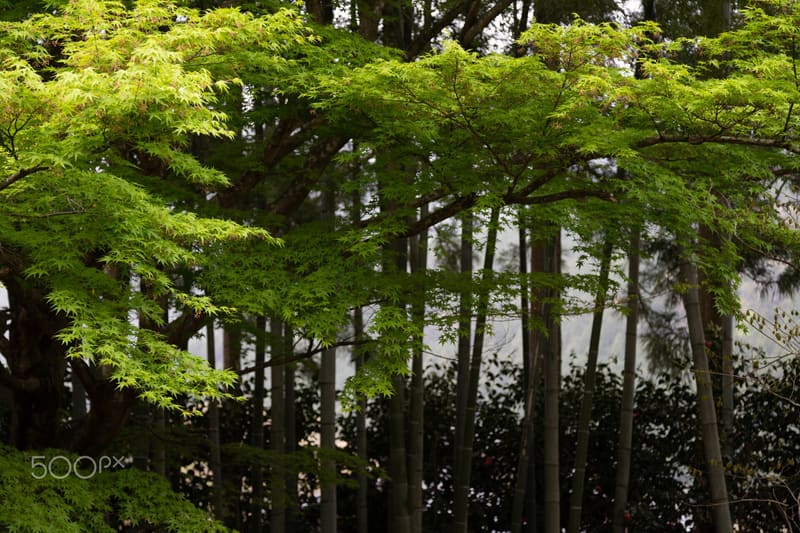 Hōsen-in100 mphoto by Arvined Winstud · CC BY-SA 3.0
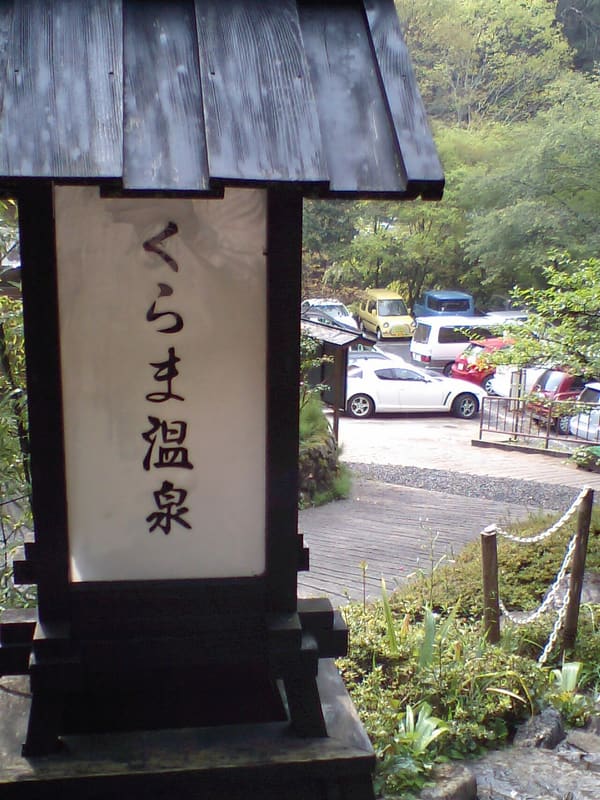 Kurama Onsen5.2 kmphoto by YOSHIFUMI OGISO · CC BY-SA 3.0
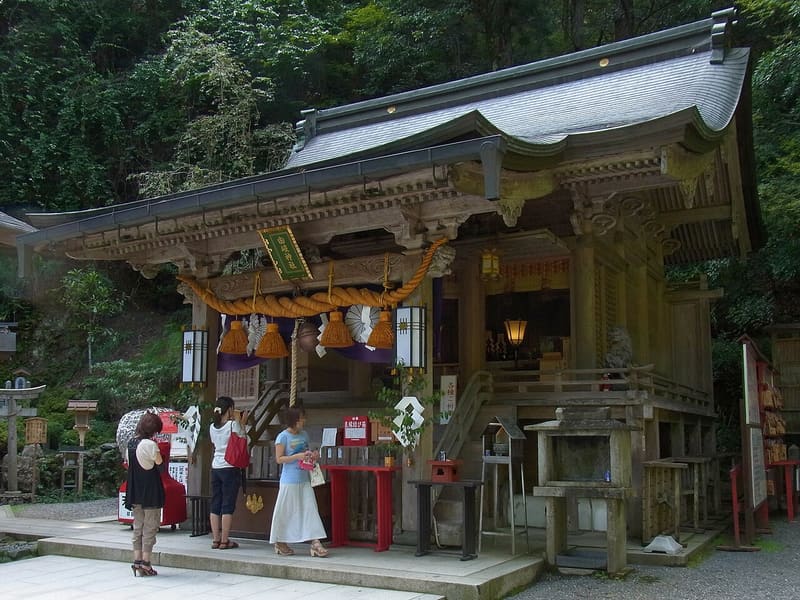 Yuki-jinja (Kurama Fire Festival)5.7 kmphoto by Nankou Oronain (as36… · CC BY-SA 3.0
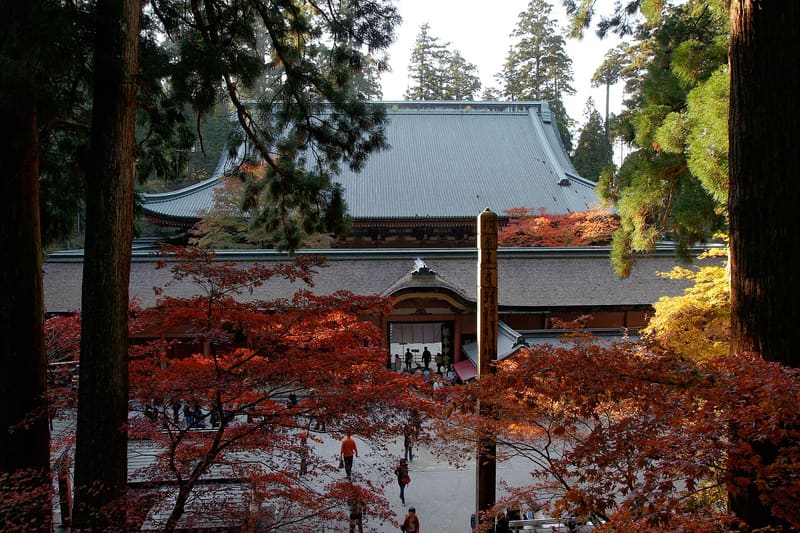 Enryaku-ji6.2 kmphoto by 663highland · CC BY 2.5