

In the 2,000-seat Kagura Dome, 22 troupes take turns for more than 150 days of performances a year.
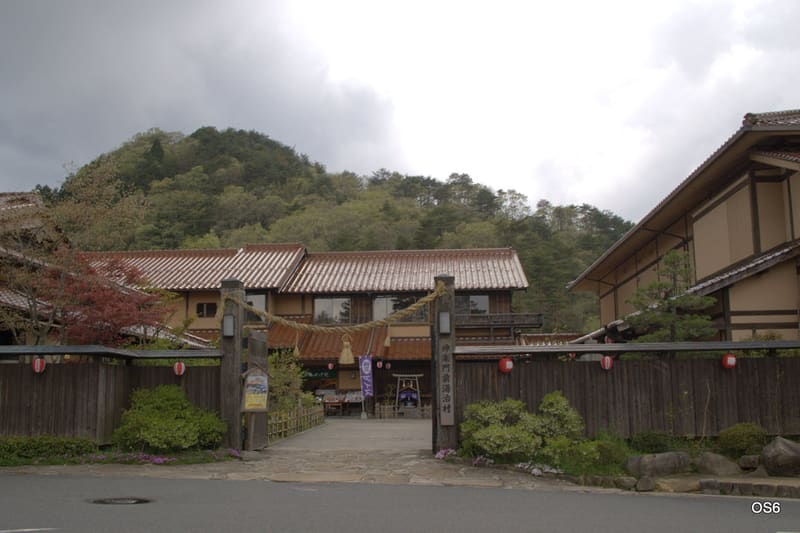
In the hill hamlet of Mitori, about 80 minutes by bus from Hiroshima, the hot-spring village recreates an old-time town with inns, shops and two theatres for kagura (the sacred Shinto dance of very ancient origin), the 2,000-seat Kagura Dome and the more intimate Kamukura-za. Twenty-two groups from Akitakata take turns there all year round on more than 150 days, mostly at weekends, with two acts in the afternoon programme (12:30 and 14:30) and just one in the evening programme (20:30). It is the permanent venue that makes the local Geihoku kagura style visible every week, a style that elsewhere can be seen only one night a year, on the eve of the autumn festivals of the mountain shrines.
A hot-spring village with traditional-style hotels and two theatres devoted to kagura, in the municipality of Akitakata, in the hilly interior north-east of Hiroshima city. The local Geihoku kagura style has been widespread since the late Edo period in the mountainous interior in the north of the prefecture.
ℹ️ Afternoon performances at 12:30 and 14:30 (adults 1,200 yen, children 500 yen) and evening performance at 20:30 (adults 800 yen, children 300 yen), about 150 days a year, mostly at weekends; schedule on the official site. From Hiroshima: bus for Miyoshi/Shōbara from the bus terminal (about 80 minutes) to the Kōsoku-Mitori bus stop, then the village's free shuttle; by car, 10 minutes from the Takata interchange on the Chūgoku Expressway.
Holidays in Japan? Plan them with us.Over 2,000 real places, a day-by-day itinerary.FreeOpen the map →Sources: akitakata.jp · akitakata.jp · tabi.jtb.or.jp