
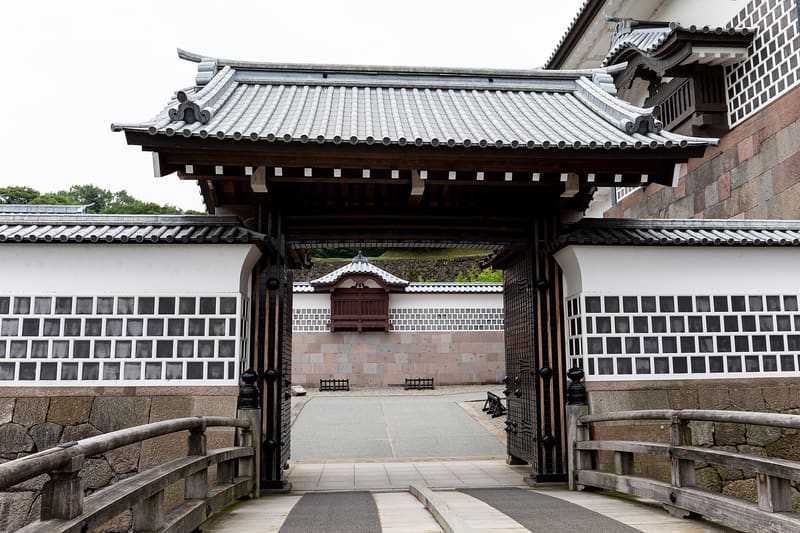
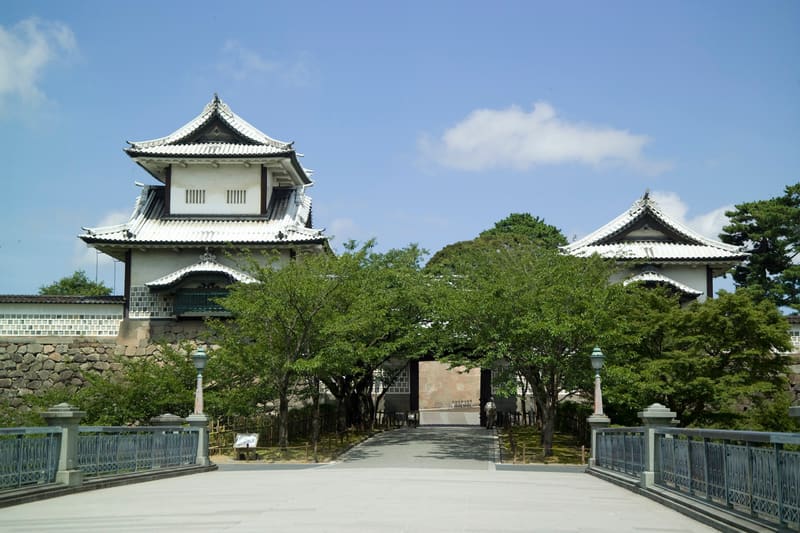
Four different masonry styles have earned it the nickname ‘museum of stone walls’.
Visitors walk along walls in four different masonry styles, which have earned the castle the nickname ‘museum of stone walls’, and look up at the roofs, where white lead plates take the place of ceramic tiles: a legend has it that they were meant to be melted down into bullets in the event of a siege, but their established function was to insulate against the cold and the weight of the snow.
Fortress of the Maeda lords, who from 1583 ruled the Kaga domain from here, the richest in feudal Japan after the shogunate. Destroyed several times by fire (the last major one in 1881), the castle was never rebuilt in stone after the Meiji Restoration; the present park grew out of the archaeological recovery and the historically faithful reconstruction of its wooden structures, begun in the 2000s and culminating in 2001 in the Gojukken Nagaya-Hishi Yagura-Hashizumemon Tsuzuki Yagura complex, the largest wooden structure built in Japan with traditional techniques since the war.
ℹ️ Park open 7:00–18:00 (1 March–15 October) and 8:00–17:00 (16 October–end of February), free entry. The reconstructed structures (Gojukken Nagaya, Hishi Yagura, Hashizumemon Tsuzuki Yagura) charge for entry: adults 320 yen, children aged 6–18 100 yen. Within walking distance of Kenroku-en, with which it shares car parks.
🚉 Hokutetsu Kanazawa · 26 min walk
Holidays in Japan? Plan them with us.Over 2,000 real places, a day-by-day itinerary.FreeOpen the map →Sources: hot-ishikawa.jp · kanazawa-kankoukyoukai.or.jp · kanazawa-kankoukyoukai.or.jp · 100mangoku.net
Nearby
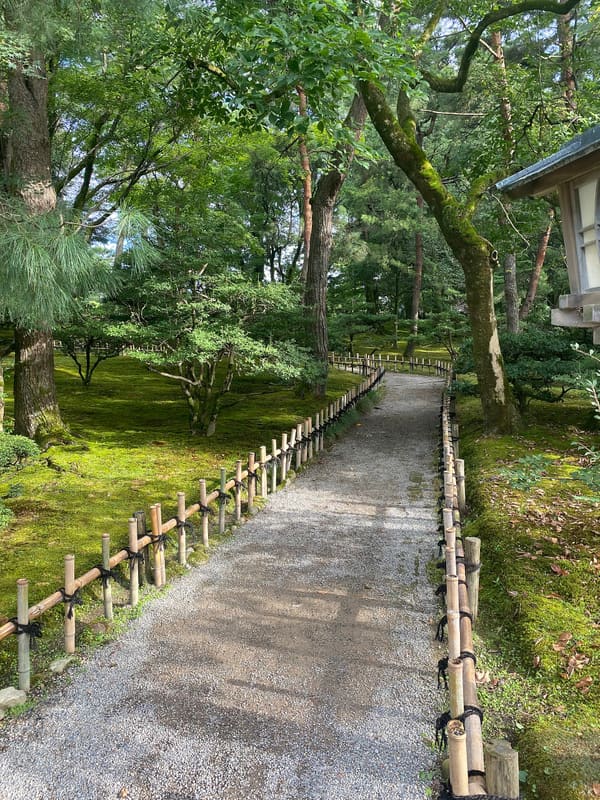 Kenroku-en300 mphoto by Immanuelle This photo was taken with iPhone 11 Pro Max · CC BY-SA 4.0
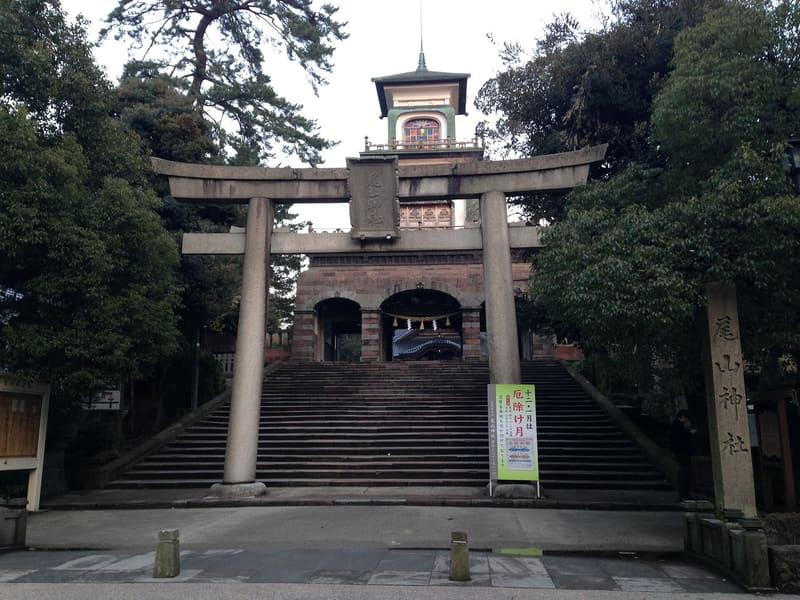 Oyama Shrine400 mphoto by そらみみ · CC BY-SA 4.0
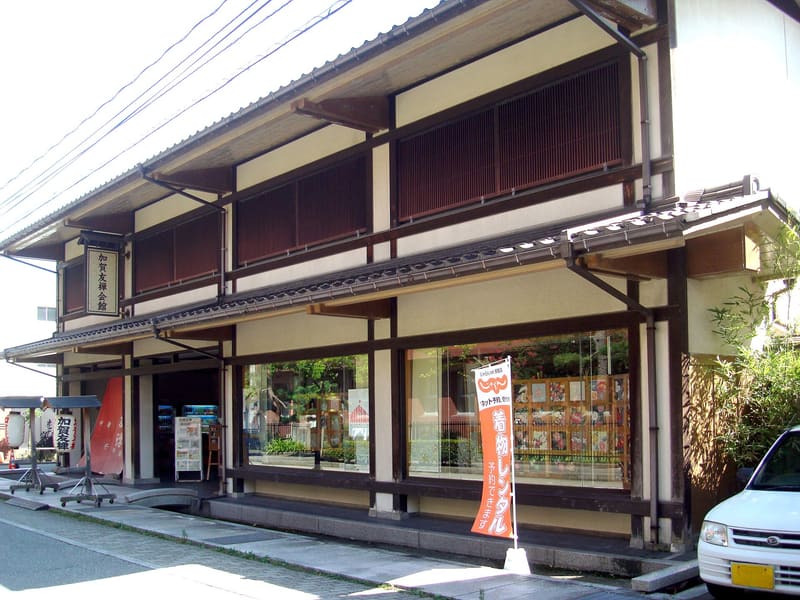 Kaga Yūzen Kaikan500 mphoto by 藤谷良秀(Yoshihide Fujitani) · CC BY-SA 4.0
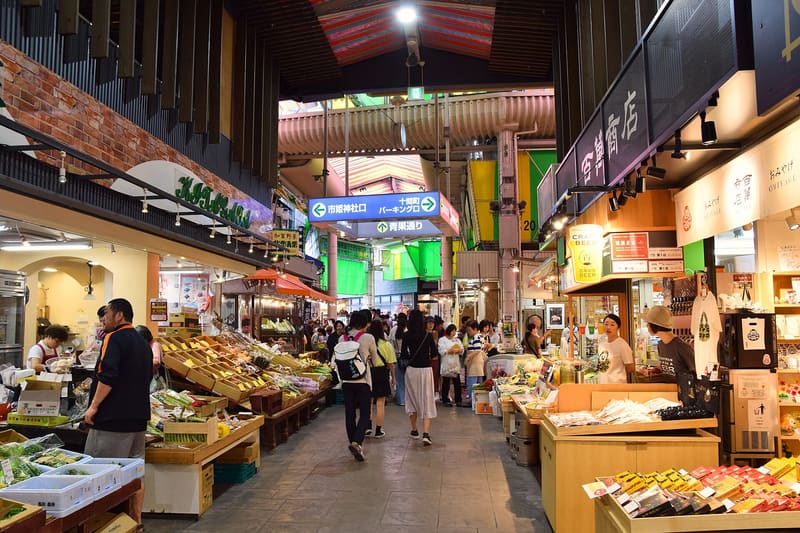 Omicho Market600 mphoto by Raita Futo from Tokyo, Japan · CC BY 2.0