
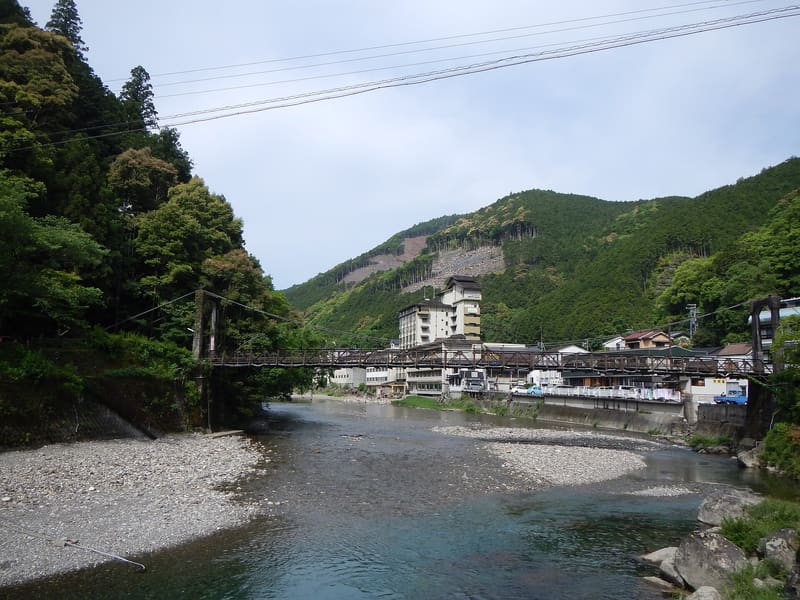
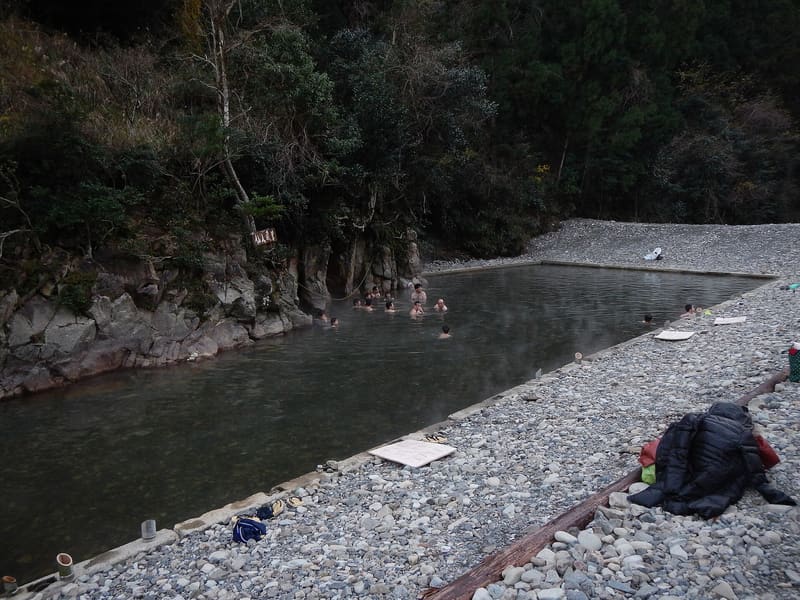
You dig into the river sand and hot water comes out, in a bath that holds up to 1,000 people.
The Ōtō River, a tributary of the Kumano, hides a hot spring beneath its bed: you only have to dig into the sand for hot water to rise, and from December to the end of February a bank of stones creates the Sennin-buro, a communal open-air bath of about 24x12 metres and 60 cm deep which on festival nights holds as many as a thousand people. For the rest of the year anyone can dig their own pool in the sand, mixing the hot spring water and the cold river water as they like.
Together with Yunomine and Watarase it forms the ‘hot spring triangle’ of Kumano Hongu (熊野本宮温泉郷), a few kilometres from the Kumano Hongu Taisha shrine. It is the only one of the three where the spring rises directly in the riverbed rather than in built pools.
ℹ️ The Sennin-buro is free and always open, set up from early December to the end of February; for the rest of the year you dig on your own with a shovel, often borrowed from the nearby hotels. Several ryokan on the left bank also offer indoor baths for a fee. About 3 km from Kumano Hongu Taisha, reachable by bus or car.
🚉 Fujiyamae · 1 min walk
Holidays in Japan? Plan them with us.Over 2,000 real places, a day-by-day itinerary.FreeOpen the map →Sources: ja.wikipedia.org · hongu.jp · wakayama-kanko.or.jp
Nearby
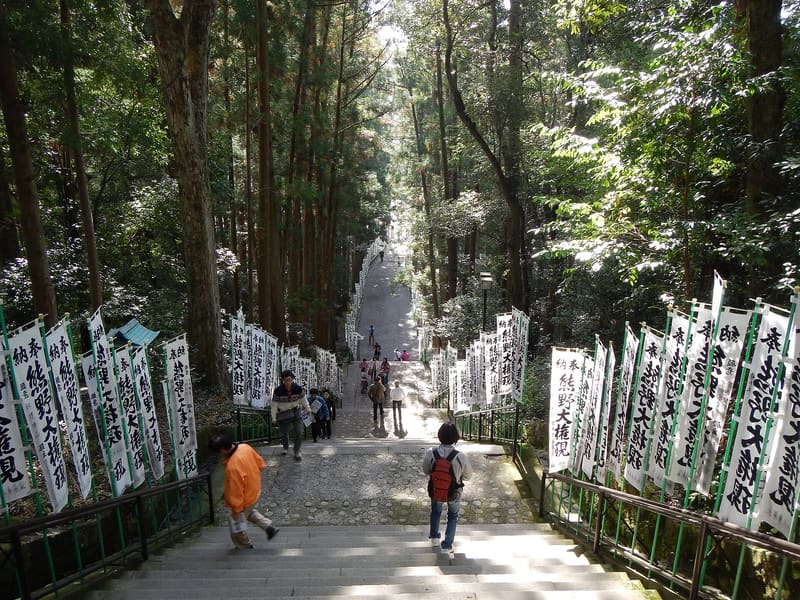 Kumano Hongū Taisha3.1 kmphoto by Nekosuki · CC BY-SA 4.0
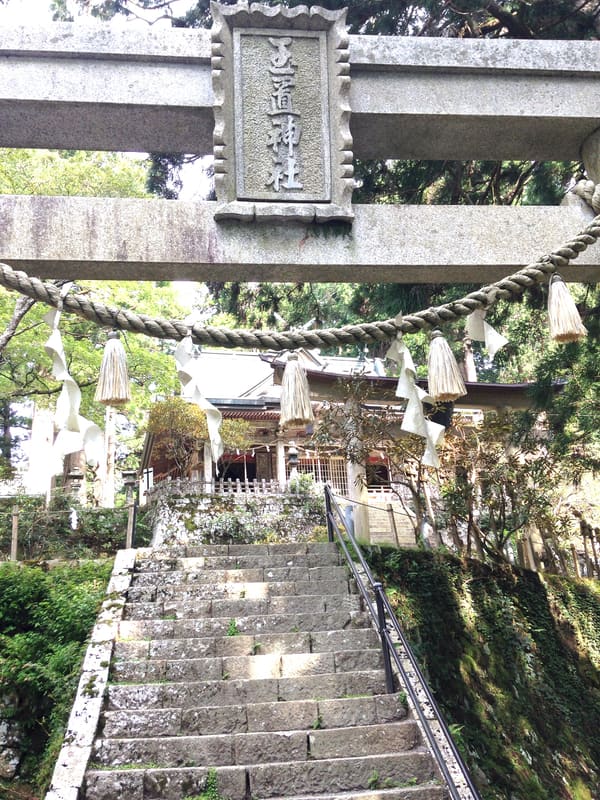 Tamaki Jinja13.8 kmphoto by Tokiwokakeru · CC BY-SA 4.0
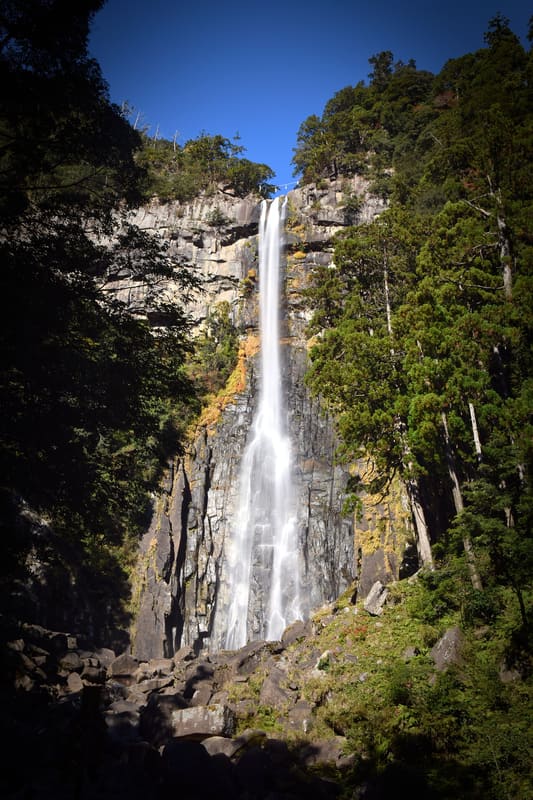 Nachi Falls18.5 kmphoto by Raita Futo from Tokyo, Japan · CC BY 2.0
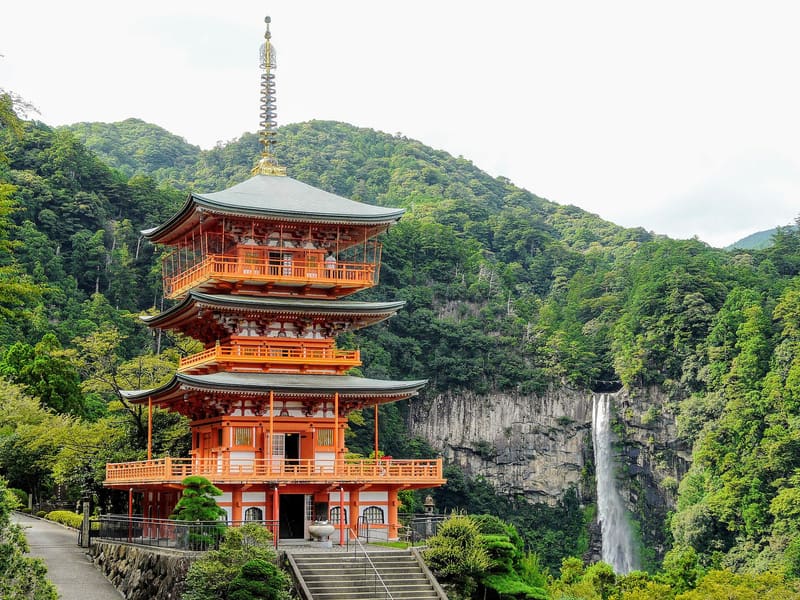 Seiganto-ji, first temple of the Saigoku pilgrimage19.2 kmphoto by Naokijp · CC BY-SA 4.0