The Anime Trip
🌐 EN ▾
ItalianoEnglish繁體中文(台灣)繁體中文(香港)日本語
PLAN YOUR TRIPMy tripSign in / Sign upSign in / Sign up
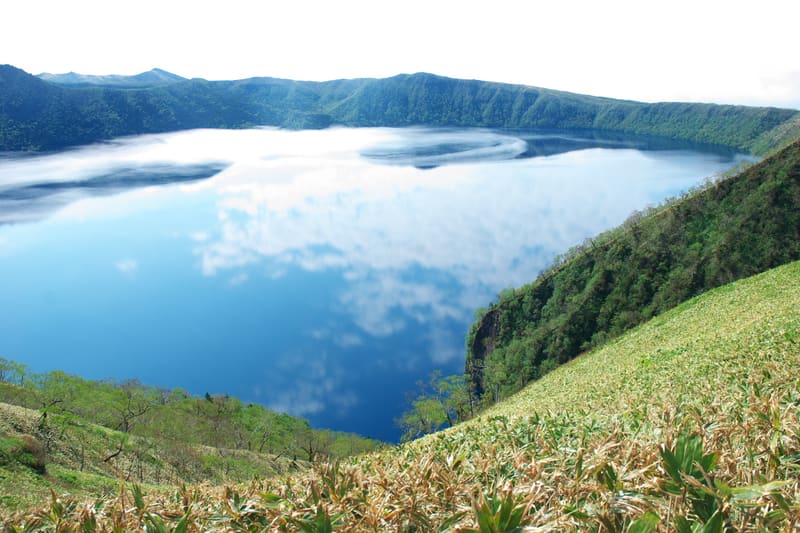
Lake Mashū
photo by Yamaguchi Yoshiaki from Japan · CC BY-SA 2.0
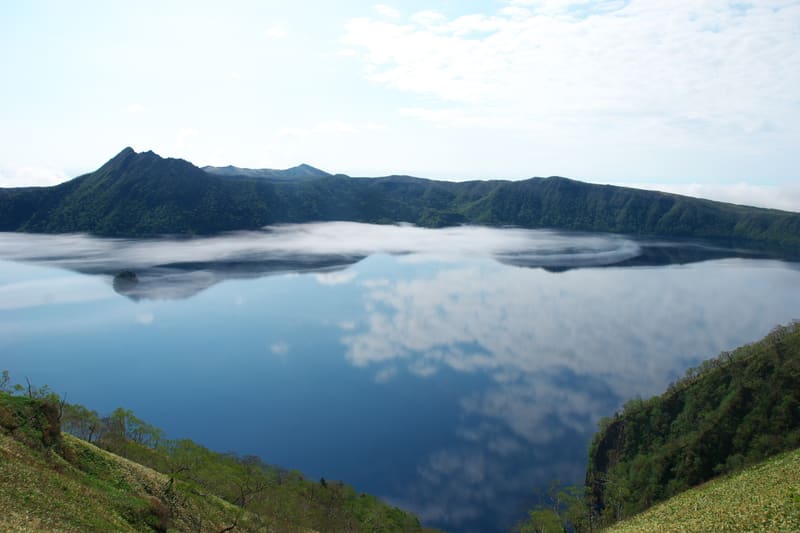
Lake Mashū
photo by Yamaguchi Yoshiaki from Japan · CC BY-SA 2.0

In 1930 its transparency reached 41.6 m, surpassing Baikal; in 2015 it measured only 17.2.

From the three viewpoints on the rim of the caldera you look down on a lake with no inflowing or outflowing streams, fed only by rain and underground springs. In 1930 its transparency reached 41.6 metres, a world record ahead of Lake Baikal; since then it has fallen, down to the 17.2 metres measured in 2015.

Lake Mashū fills the caldera of the Mashū volcano, in Kawakami District, and has no inflowing or outflowing streams visible on the surface: water comes in from rain and groundwater and drains away underground. Its transparency reached the world record of 41.6 metres in August 1930, beating Lake Baikal (40.5 m, measured in 1911); it had already fallen to 29 metres by 1952, for a reason the sources do not explain, and in 2015 it stood at 17.2 metres. The 1966 song ‘Kiri no Mashū-ko’ spread its fame as a place wrapped in fog.

ℹ️ The three viewpoints are: the first, the largest and open all year round, which you can reach by bus from Mashū Station; the third, open only in summer; and the one on the back side, lower down and closed in winter. Access to the caldera is forbidden. No ticket is listed for the viewpoints.

🚉 Mashuko Dai-ichi Tenbodai (摩周湖第1展望台) · 43 min walk

Holidays in Japan? Plan them with us.Over 2,000 real places, a day-by-day itinerary.FreeOpen the map →

Sources: ja.wikipedia.org

Nearby

All series · Open the map

Lake Mashū
Open on the mapwith over 1,800 wonders of Japan
Lake Mashū
photo by Yamaguchi Yoshiaki from Japan · CC BY-SA 2.0
Lake Mashū
photo by Yamaguchi Yoshiaki from Japan · CC BY-SA 2.0

In 1930 its transparency reached 41.6 m, surpassing Baikal; in 2015 it measured only 17.2.

From the three viewpoints on the rim of the caldera you look down on a lake with no inflowing or outflowing streams, fed only by rain and underground springs. In 1930 its transparency reached 41.6 metres, a world record ahead of Lake Baikal; since then it has fallen, down to the 17.2 metres measured in 2015.

Lake Mashū fills the caldera of the Mashū volcano, in Kawakami District, and has no inflowing or outflowing streams visible on the surface: water comes in from rain and groundwater and drains away underground. Its transparency reached the world record of 41.6 metres in August 1930, beating Lake Baikal (40.5 m, measured in 1911); it had already fallen to 29 metres by 1952, for a reason the sources do not explain, and in 2015 it stood at 17.2 metres. The 1966 song ‘Kiri no Mashū-ko’ spread its fame as a place wrapped in fog.

ℹ️ The three viewpoints are: the first, the largest and open all year round, which you can reach by bus from Mashū Station; the third, open only in summer; and the one on the back side, lower down and closed in winter. Access to the caldera is forbidden. No ticket is listed for the viewpoints.

🚉 Mashuko Dai-ichi Tenbodai (摩周湖第1展望台) · 43 min walk

Holidays in Japan? Plan them with us.Over 2,000 real places, a day-by-day itinerary.FreeOpen the map →

Sources: ja.wikipedia.org

Nearby