
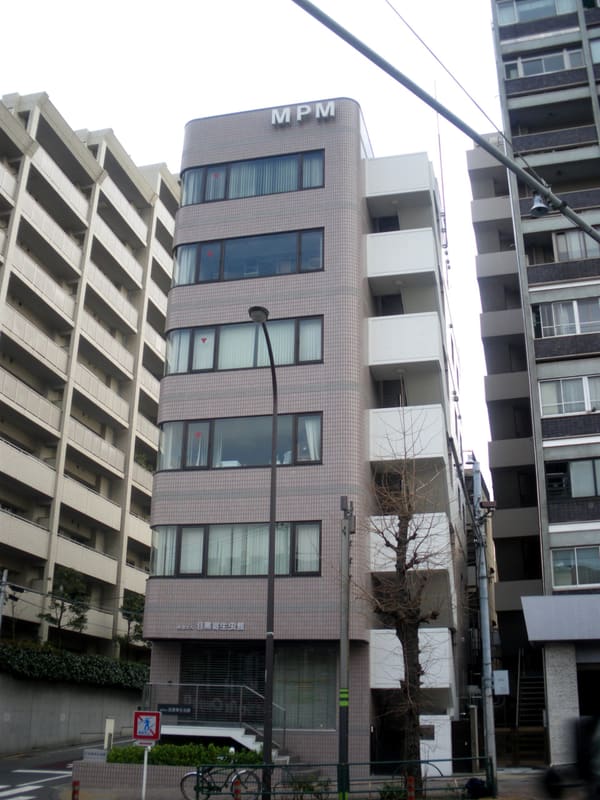
A doctor opened it in 1953 with his own money, and entry is still free.
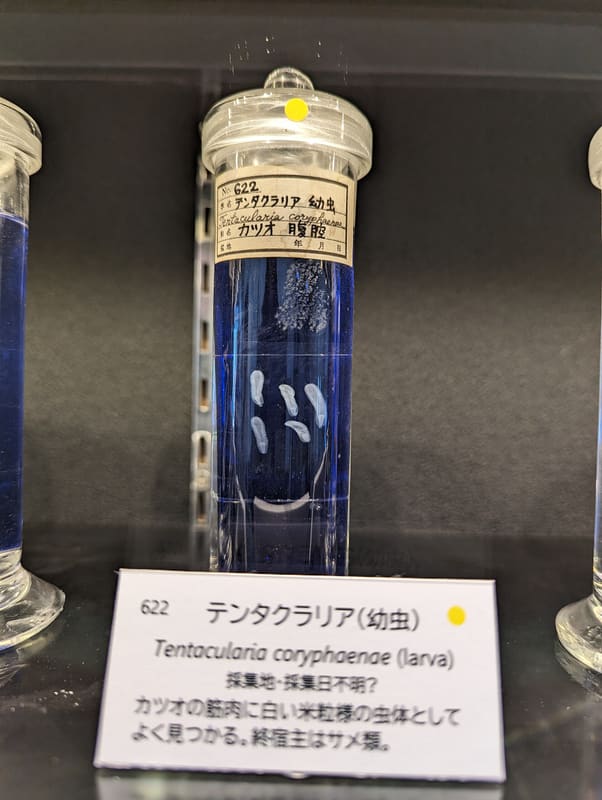
It is a research institute open to the public, far from being a mere collection of curiosities. Its collections include about sixty thousand parasite specimens, alongside a library of fifty thousand scientific papers and six thousand volumes. Of particular note are the roughly one thousand five hundred type specimens: the reference specimens on which a species was originally described and against which those studied later are compared.
It was founded in 1953 by Satoru Kamegai, a doctor, with his own money. It has remained a private research museum, and entry has never been charged: you leave a donation if you wish.
ℹ️ Open 10:00–17:00. Free entry, with a voluntary donation. ⚠️ Closed on Mondays AND Tuesdays: that is two days out of seven, not one, and it is the closure that ruins plans because nobody expects it. Also closed at the end and start of the year.
🚉 Meguro · 13 min walk
Holidays in Japan? Plan them with us.Over 2,000 real places, a day-by-day itinerary.FreeOpen the map →Sources: kiseichu.org · kiseichu.org
Nearby
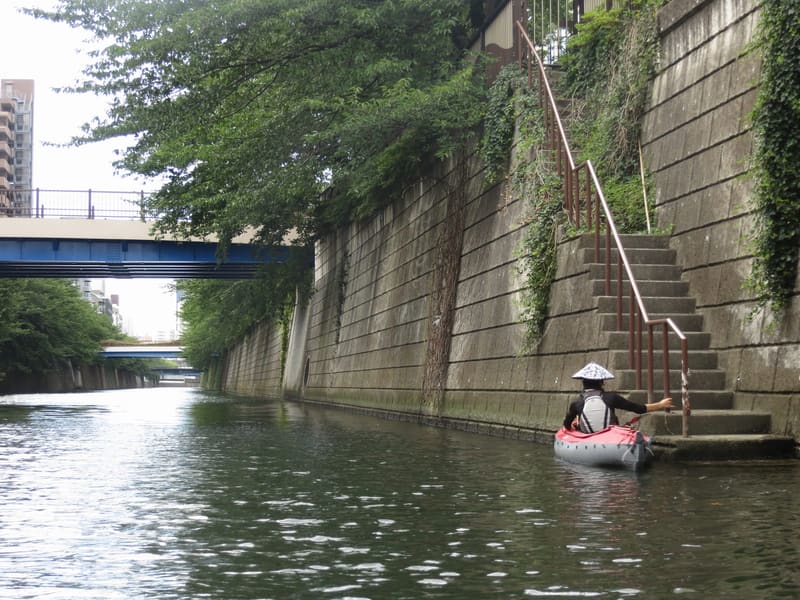 Tadō Hiroba Park600 mphoto by tayorinai eye · CC BY-SA 2.0
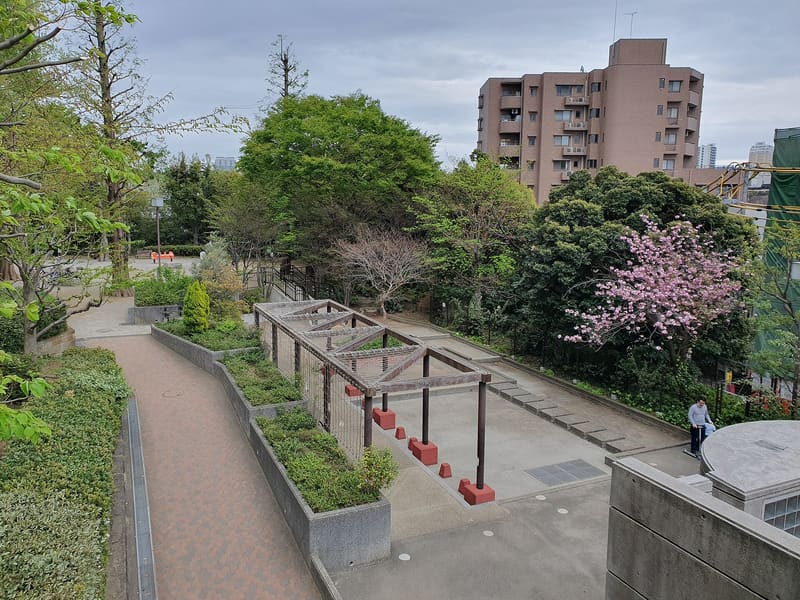 Mita Oka-no-ue Park1.2 kmphoto by Syced · CC0
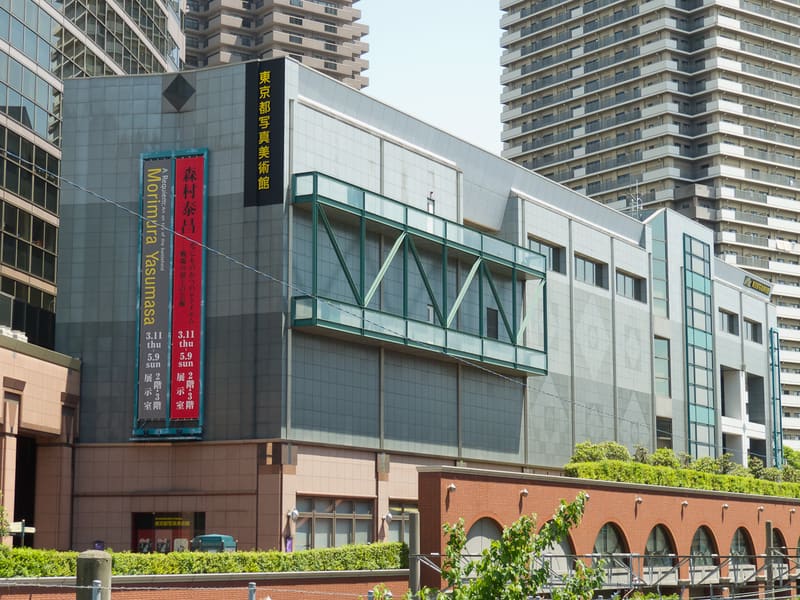 Tokyo Photographic Art Museum (TOP Museum)1.3 kmphoto by Rs1421 · CC BY-SA 3.0
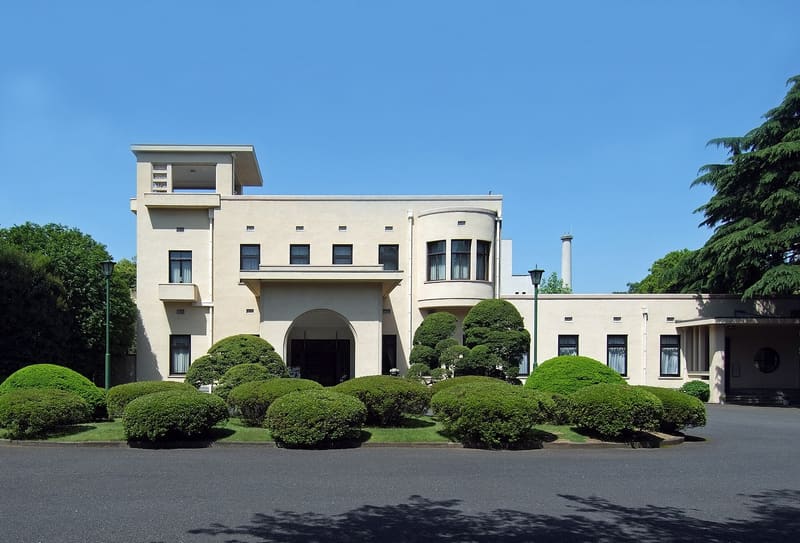 Teien Art Museum1.3 kmphoto by Wiiii · CC BY-SA 3.0