
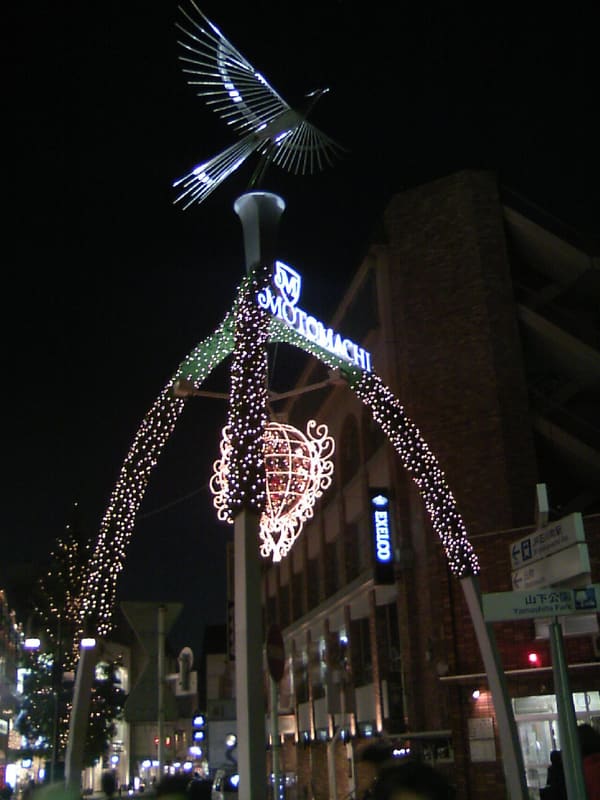
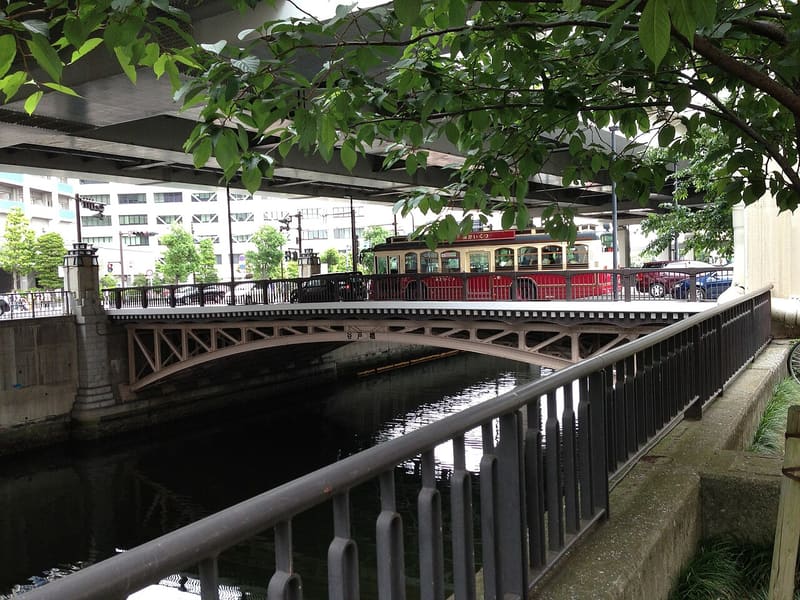
It began in 1860, when ninety families were moved to make room for foreigners.
After the port of Yokohama opened in 1859, the government decided that the village would be divided into a Japanese area and a foreign settlement: in January 1860 the ninety families who lived there were moved en bloc to the neighbouring village, renamed ‘Yokohama Motomachi’ (‘old Yokohama’) that same year. Squeezed between the two foreign settlements of Yamashita and Yamate, the street filled up with shops catering to foreign residents, and it was there that, in the seventies and eighties, the ‘hama-tora’ style was born: the student fashion inspired by Western elegance that became a national phenomenon.
A 600-metre shopping street in Naka Ward, which grew up from 1860 as a trading area serving the foreign residents of the nearby Yamashita and Yamate settlements.
ℹ️ Public street, open at all times; shops and restaurants keep their own hours, generally during the day.
🚉 Motomachi-chukagai · in front of the station
Holidays in Japan? Plan them with us.Over 2,000 real places, a day-by-day itinerary.FreeOpen the map →Sources: motomachi.or.jp · ja.wikipedia.org
Nearby
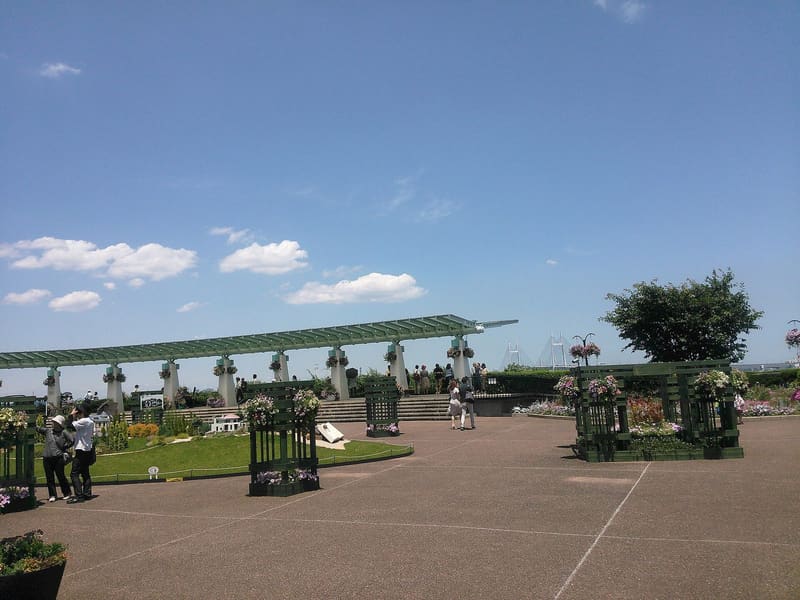 Harbor View Park400 mphoto by 妖精書士 · CC0
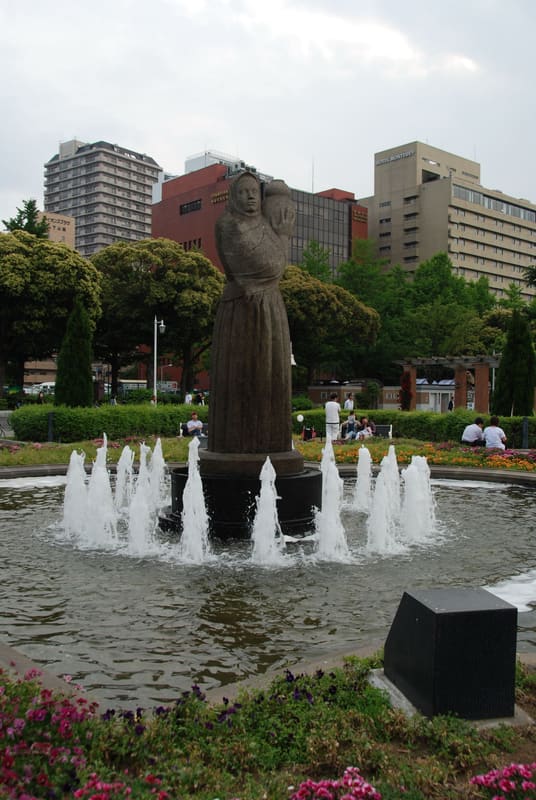 Yamashita Park400 mphoto by jetsun · CC BY-SA 3.0
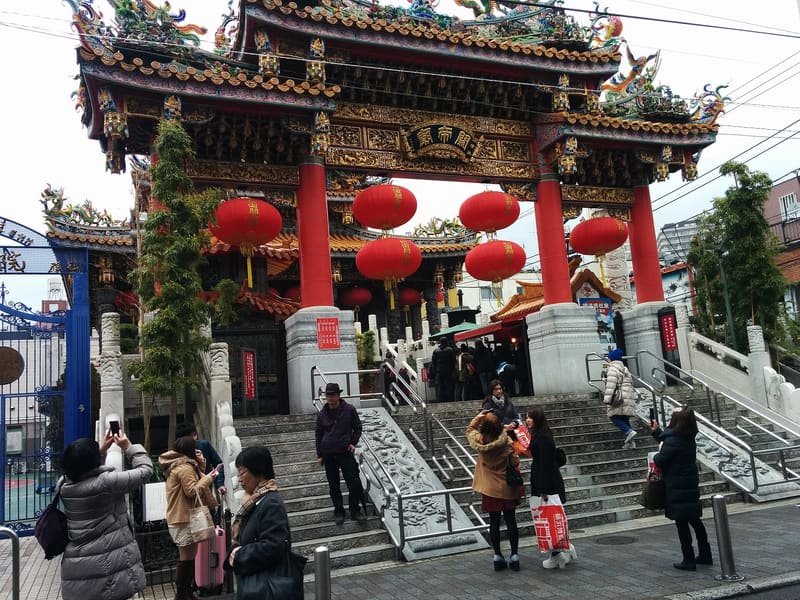 Yokohama Chinatown500 mphoto by x768 · CC BY-SA 2.0
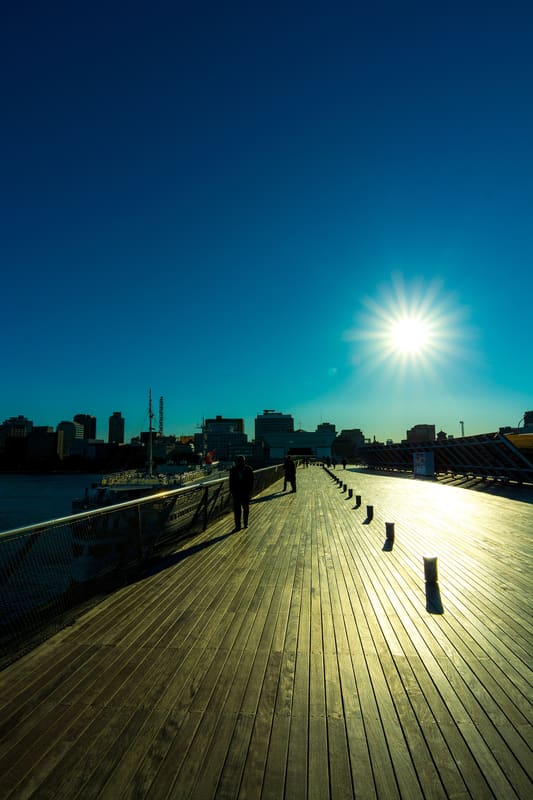 Yokohama Ōsanbashi Pier1.1 kmphoto by Yoshikazu TAKADA from Tokyo, Japan · CC BY 2.0