
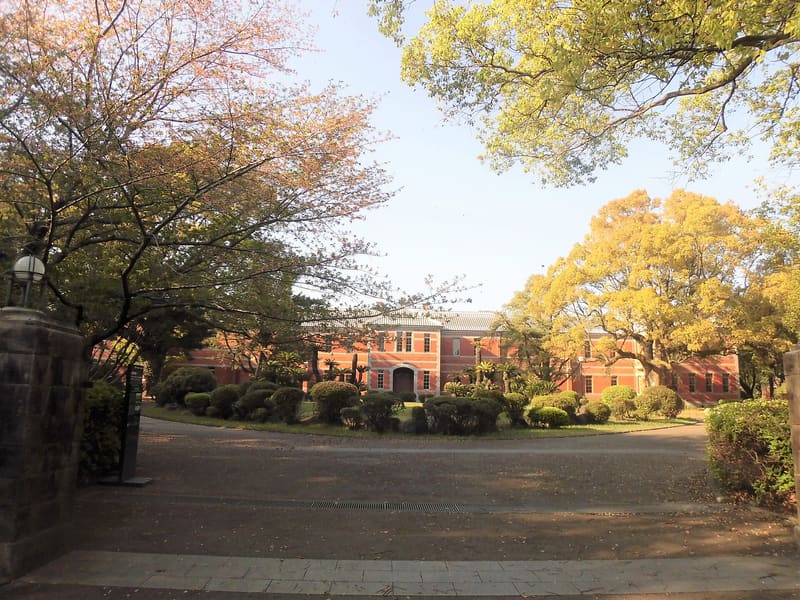
Red-brick classrooms from 1889 where Hearn and Sōseki taught; free admission.
You enter a red-brick building from 1889 for free, the former home of the Fifth High School, where the writer Lafcadio Hearn (from 1891) and the novelist Natsume Sōseki (from 1896) taught. Six permanent rooms show the history of the school, with a reconstructed classroom and the exam papers written by Sōseki.
The building was constructed in 1888–89 by the Ministry of Education as the main building of Higher Middle School No. 5 (第五高等中学校, opened in 1887), which in 1894 became the Fifth High School (第五高等学校) and in 1950 was absorbed by Kumamoto University. Two storeys high, in brick laid in English bond with ten classrooms per floor, it was designed by the engineers Yamaguchi Hanroku, who had studied in France, and Kuru Masamichi, a pupil of the Englishman Josiah Conder. According to the city guide it is the only one of the eight ‘numbered’ high schools of the old system (from the first in Tokyo to the eighth in Nagoya) whose building of that time still stands in the same place and looks the same. In August 1969 it was declared a national Important Cultural Property (重要文化財) together with the chemistry laboratory and the red gate; since 1993 it has been a memorial open to the public, with weekday opening since 2006. Hearn taught here from 1891 to 1894 and Sōseki from 1896; in Kumamoto Sōseki wrote 40% of all his haiku, and 29 are about the school. The permanent exhibition was renewed in November 2025.
ℹ️ Free admission. Open 10:00–16:00 (last entry 15:30), closed on Tuesdays and at the end of the year; from March to November it also opens on public holidays; from December to February it is closed on public holidays that do not fall on a Saturday or Sunday; it may open or close exceptionally for university events. The city list of 02/10/2026 gives it as open 10:00–16:00; no museum page says ‘reopened after the earthquake of 28/07’. No dedicated car park: you pay to drive into the campus. Bus to the 熊本大学前 stop in front of the campus (about 27 minutes from JR Kumamoto Station). The rooms have no air conditioning, except the information entrance. Photos are allowed in the permanent rooms without flash, tripod or selfie stick; no food.
🚉 Kurokamimachi · 18 min walk
Holidays in Japan? Plan them with us.Over 2,000 real places, a day-by-day itinerary.FreeOpen the map →Sources: goko.kumamoto-u.ac.jp · goko.kumamoto-u.ac.jp · goko.kumamoto-u.ac.jp · goko.kumamoto-u.ac.jp · goko.kumamoto-u.ac.jp · kumamoto-guide.jp · kumamoto-guide.jp · kumamoto-guide.jp
Nearby
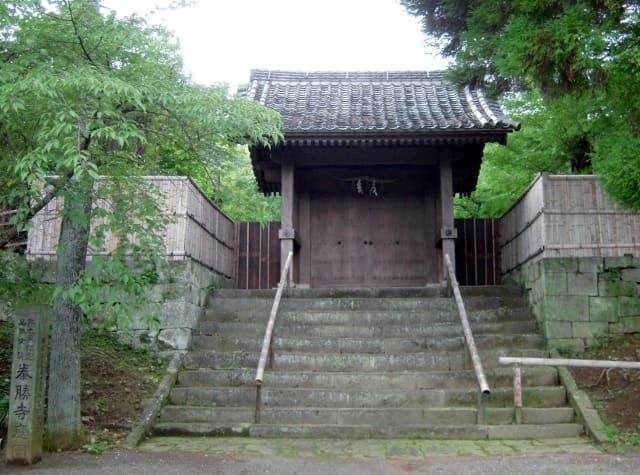 Tatsuda Park and ruins of Taishō-ji600 mphoto by Simasakon · CC BY-SA 3.0
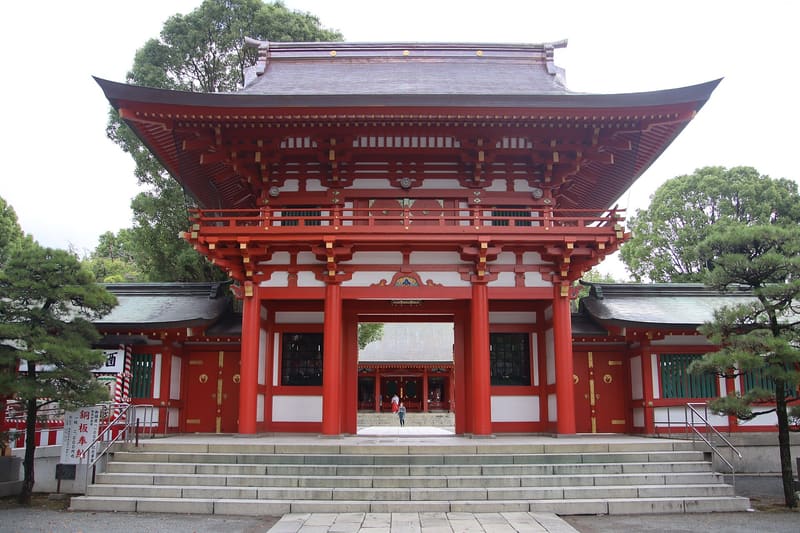 Fujisaki Hachimangū1.2 kmphoto by AT@wiki from Japan · CC BY-SA 4.0
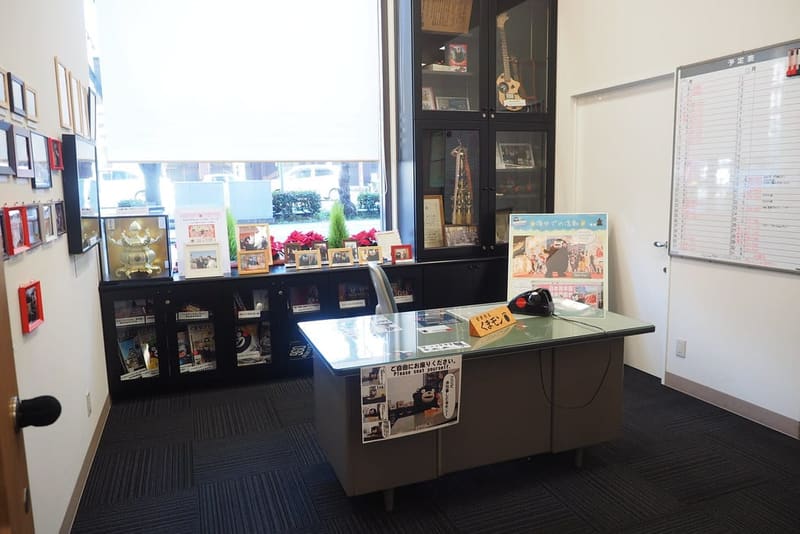 Kumamon Square2.1 km
 Kumamoto Museum of Contemporary Art, CAMK2.1 kmphoto by 663highland · CC BY 2.5