The Anime Trip
🌐 EN ▾
ItalianoEnglish繁體中文(台灣)繁體中文(香港)日本語
PLAN YOUR TRIPMy tripSign in / Sign upSign in / Sign up
MOA Museum of Art (MOA美術館)
photo by Gryffindor · CC BY-SA 4.0
MOA Museum of Art (MOA美術館)
photo by Gryffindor · CC BY-SA 4.0

3 National Treasures and 67 Important Cultural Properties, out of 3,500 works: opened in 1982.

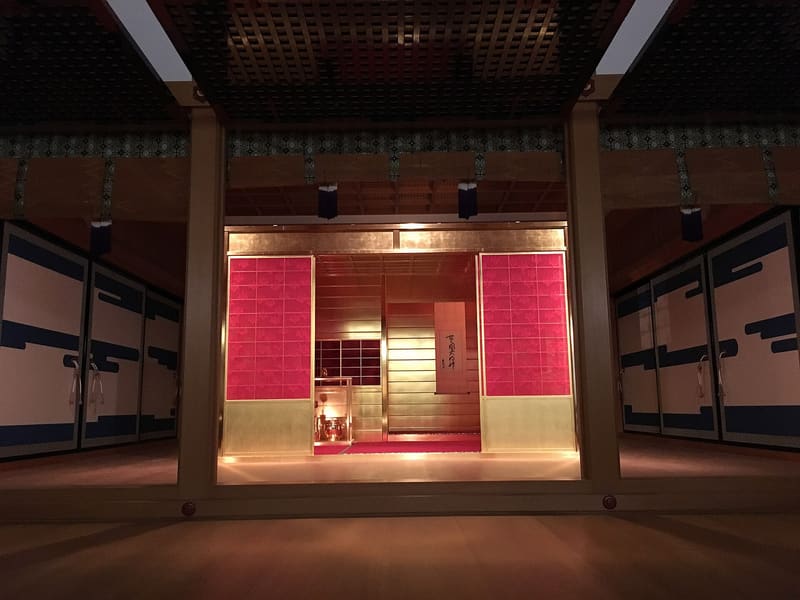
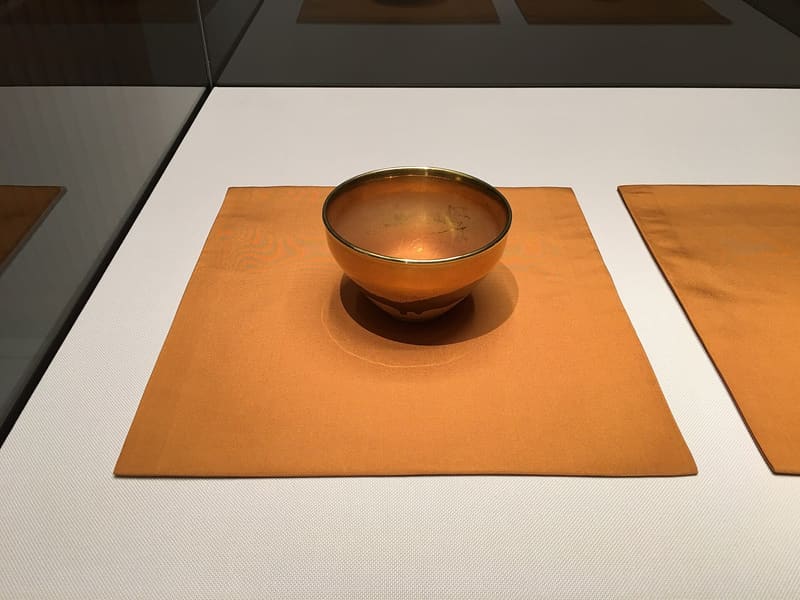
About 3,500 works of East Asian art, including three National Treasures (国宝) and 67 Important Cultural Properties (重要文化財, 2019 figure). The most famous piece is the folding screen ‘Kōhaku Baizu-byōbu’ (紅白梅図屏風, Red and White Plum Blossoms) by Ogata Kōrin, a Japanese painter of the early eighteenth century; it is shown only in rotation, typically in plum season at the start of the year.

The museum opened on 11 January 1982, founded on the collection gathered by the religious philosopher Okada Mokichi (1882–1955), who built it up convinced that great works of art had the power to purify the soul of those who look at them. It reopened after renovation on 5 February 2017. Besides the main galleries, dug into the hill and reached by a long escalator tunnel, it also has a tea room and a garden.

ℹ️ Open 9:30–16:30, last entry 16:00. Closed on Thursdays, except public holidays, and on exhibition changeover days. Tickets online; telephone 0557-84-2511. The Kōhaku Baizu-byōbu screen is shown in rotation, usually at the start of the year during plum season: check the dates on the official calendar.

🚉 Atami · 9 min walk

Holidays in Japan? Plan them with us.Over 2,000 real places, a day-by-day itinerary.FreeOpen the map →

Sources: moaart.or.jp · ja.wikipedia.org

Nearby
All series · Open the map

MOA Museum of Art (MOA美術館)
Open on the mapwith over 1,800 wonders of Japan
MOA Museum of Art (MOA美術館)
photo by Gryffindor · CC BY-SA 4.0
MOA Museum of Art (MOA美術館)
photo by Gryffindor · CC BY-SA 4.0

3 National Treasures and 67 Important Cultural Properties, out of 3,500 works: opened in 1982.

About 3,500 works of East Asian art, including three National Treasures (国宝) and 67 Important Cultural Properties (重要文化財, 2019 figure). The most famous piece is the folding screen ‘Kōhaku Baizu-byōbu’ (紅白梅図屏風, Red and White Plum Blossoms) by Ogata Kōrin, a Japanese painter of the early eighteenth century; it is shown only in rotation, typically in plum season at the start of the year.

The museum opened on 11 January 1982, founded on the collection gathered by the religious philosopher Okada Mokichi (1882–1955), who built it up convinced that great works of art had the power to purify the soul of those who look at them. It reopened after renovation on 5 February 2017. Besides the main galleries, dug into the hill and reached by a long escalator tunnel, it also has a tea room and a garden.

ℹ️ Open 9:30–16:30, last entry 16:00. Closed on Thursdays, except public holidays, and on exhibition changeover days. Tickets online; telephone 0557-84-2511. The Kōhaku Baizu-byōbu screen is shown in rotation, usually at the start of the year during plum season: check the dates on the official calendar.

🚉 Atami · 9 min walk

Holidays in Japan? Plan them with us.Over 2,000 real places, a day-by-day itinerary.FreeOpen the map →

Sources: moaart.or.jp · ja.wikipedia.org

Nearby