The Anime Trip
🌐 EN ▾
ItalianoEnglish繁體中文(台灣)繁體中文(香港)日本語
PLAN YOUR TRIPMy tripSign in / Sign upSign in / Sign up

Tochigi

Nikkō-zan Rinnō-ji

日光山輪王寺

Open on the mapwith over 1,800 wonders of Japan

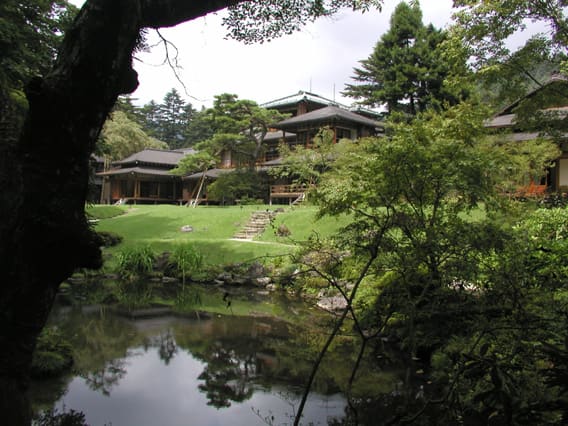
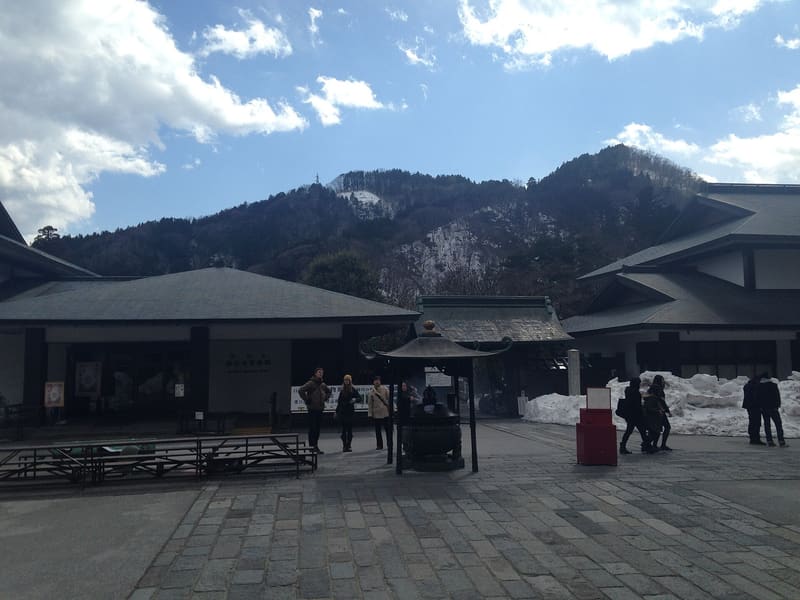
Nikkō-zan Rinnō-ji (日光山輪王寺)
photo by そらみみ · CC BY-SA 3.0
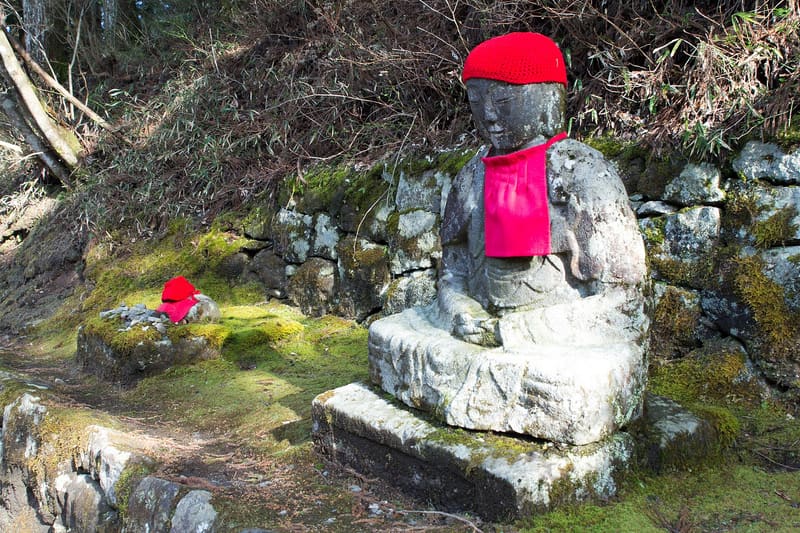
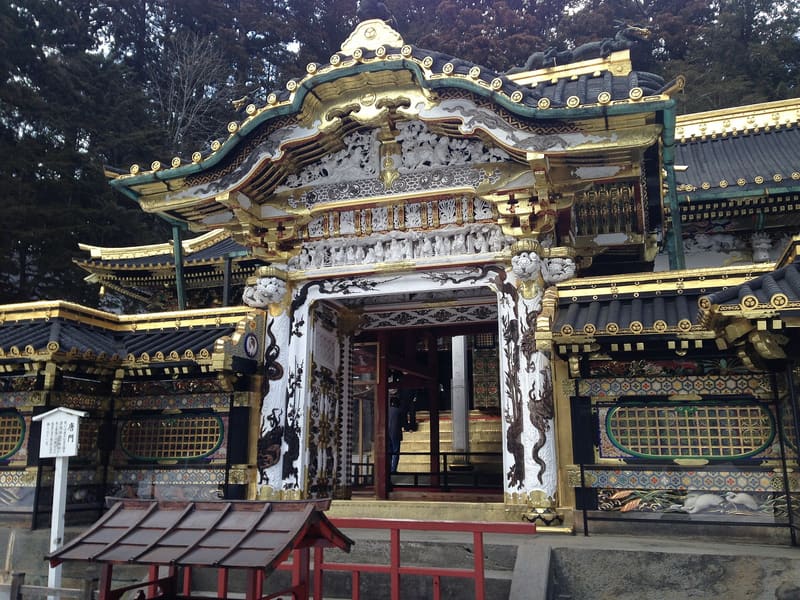
Nikkō-zan Rinnō-ji (日光山輪王寺)
photo by そらみみ · CC BY-SA 3.0

The gilded Buddha reaches 7.56 m: the temple (1647) is the largest wooden building in the east.

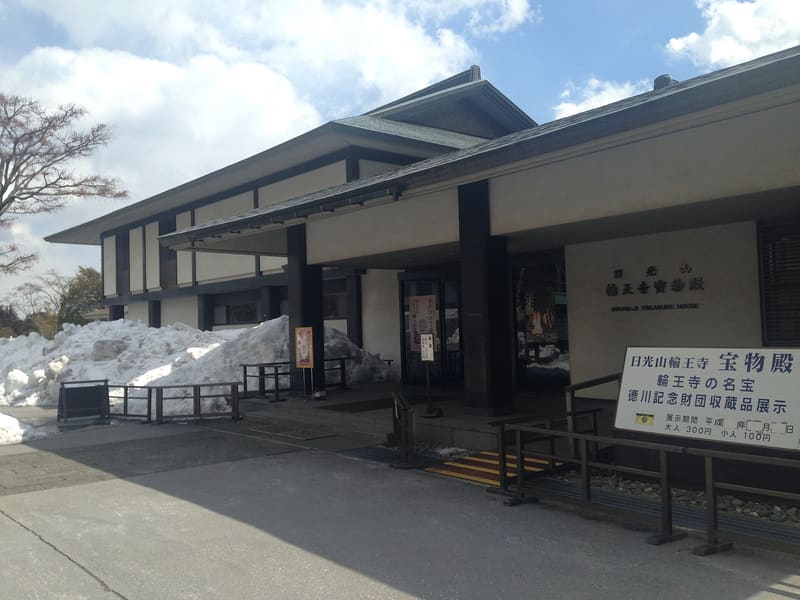
The Sanbutsudō, the main hall, was founded in 848 by the monk Ennin and rebuilt in its present form in 1647 at the wish of the third shōgun Iemitsu: 33.8 m across the front, 21.2 m deep, the largest wooden building in eastern Japan. Inside, three large gilded statues (the Thousand-Armed Kannon, Amida and the Horse-Headed Kannon) are the Buddhist manifestations of the three deities of the Nikkō mountains. The complex also includes the Taiyūin, the plainer mausoleum of the grandson Iemitsu, deliberately built more modest than that of his grandfather Ieyasu.

Rinnō-ji is the Buddhist temple that, together with the Tōshōgū and Futarasan-jinja, makes up the UNESCO site of the shrines and temples of Nikkō (1999). Its history as a religious centre predates that of the Tōshōgū by centuries: tradition traces it back to the opening of Mount Nikkō by the monk Shōdō in 766, and the Sanbutsudō was moved to where it stands today only in 1871, with the forced separation of temples and shrines in the Meiji era.

ℹ️ April–October 8:00–17:00; November–March 8:00–16:00 (last entry 30 minutes before closing). Sanbutsudō 400 yen, Taiyūin 550 yen, combined 900 yen (the single ticket for the Nikkō Sannai area at 1,000 yen is better value if you also want to see the Tōshōgū). The Taiyūin closes for ceremonies on 18–20 April and on 17 May.

🚉 Yasukawacho · 5 min walk

Holidays in Japan? Plan them with us.Over 2,000 real places, a day-by-day itinerary.FreeOpen the map →

Sources: rinnoji.or.jp · rinnoji.or.jp · mlit.go.jp

Nearby
All series · Open the map

Nikkō-zan Rinnō-ji (日光山輪王寺)
Open on the mapwith over 1,800 wonders of Japan
Nikkō-zan Rinnō-ji (日光山輪王寺)
photo by そらみみ · CC BY-SA 3.0
Nikkō-zan Rinnō-ji (日光山輪王寺)
photo by そらみみ · CC BY-SA 3.0

The gilded Buddha reaches 7.56 m: the temple (1647) is the largest wooden building in the east.

The Sanbutsudō, the main hall, was founded in 848 by the monk Ennin and rebuilt in its present form in 1647 at the wish of the third shōgun Iemitsu: 33.8 m across the front, 21.2 m deep, the largest wooden building in eastern Japan. Inside, three large gilded statues (the Thousand-Armed Kannon, Amida and the Horse-Headed Kannon) are the Buddhist manifestations of the three deities of the Nikkō mountains. The complex also includes the Taiyūin, the plainer mausoleum of the grandson Iemitsu, deliberately built more modest than that of his grandfather Ieyasu.

Rinnō-ji is the Buddhist temple that, together with the Tōshōgū and Futarasan-jinja, makes up the UNESCO site of the shrines and temples of Nikkō (1999). Its history as a religious centre predates that of the Tōshōgū by centuries: tradition traces it back to the opening of Mount Nikkō by the monk Shōdō in 766, and the Sanbutsudō was moved to where it stands today only in 1871, with the forced separation of temples and shrines in the Meiji era.

ℹ️ April–October 8:00–17:00; November–March 8:00–16:00 (last entry 30 minutes before closing). Sanbutsudō 400 yen, Taiyūin 550 yen, combined 900 yen (the single ticket for the Nikkō Sannai area at 1,000 yen is better value if you also want to see the Tōshōgū). The Taiyūin closes for ceremonies on 18–20 April and on 17 May.

🚉 Yasukawacho · 5 min walk

Holidays in Japan? Plan them with us.Over 2,000 real places, a day-by-day itinerary.FreeOpen the map →

Sources: rinnoji.or.jp · rinnoji.or.jp · mlit.go.jp

Nearby