
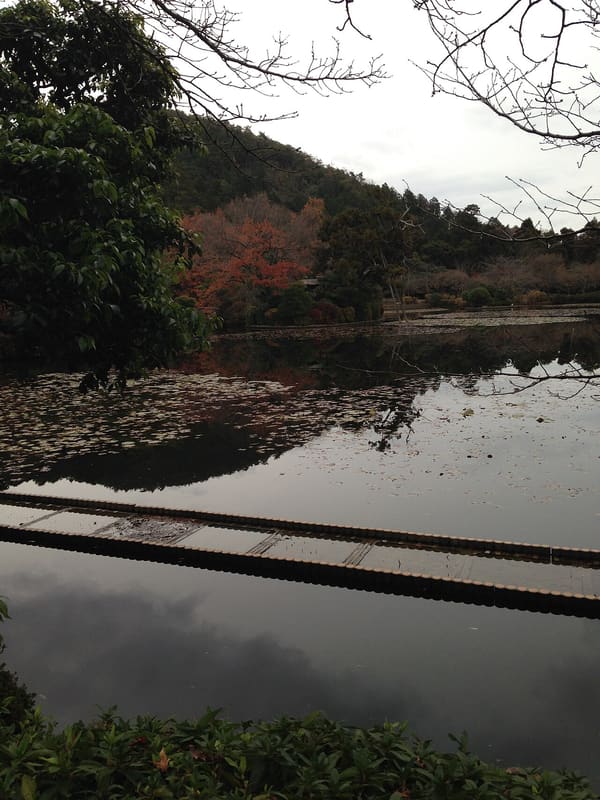
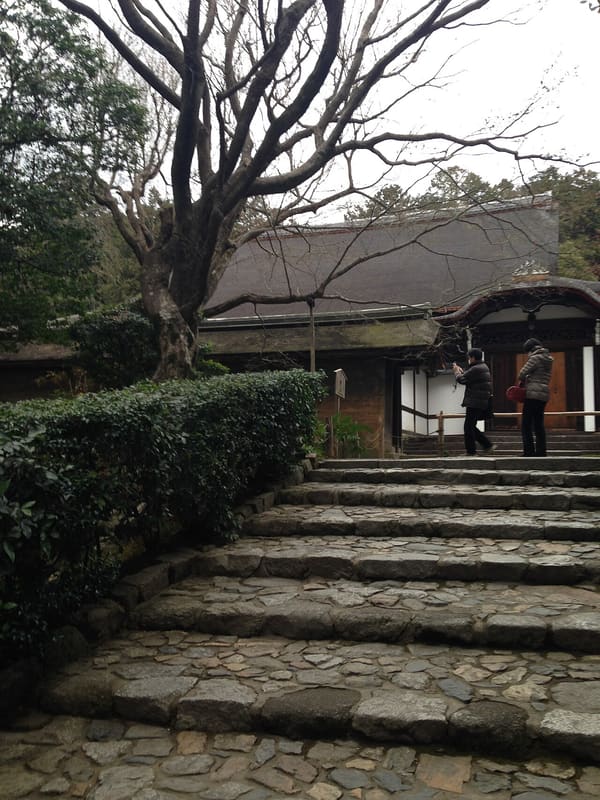
In the stone garden, from any point, one of the fifteen always stays hidden.
Fifteen stones on raked white sand, in five groups of 5, 2, 3, 2 and 3: wherever on the veranda you stand to look, the geometric calculation of the groups always leaves at least one stone out of sight; only from above, which no visitor can do, can all fifteen be seen together. No document from the period says who designed it or what it represents: the readings proposed over the centuries range from tigers crossing a river to a simple exercise in abstract composition.
The temple was founded in 1450 by Hosokawa Katsumoto on the site of a former aristocratic villa; destroyed during the Ōnin War, it was rebuilt by his son, and the stone garden dates from that reconstruction, around 1499. A UNESCO World Heritage Site since 1994.
ℹ️ Open 8:00–17:00 from March to November, 8:30–16:30 from December to February. Tickets 600 yen for adults, 500 yen for high school students, 300 yen for junior high and elementary school pupils.
🚉 Ryōanji · 11 min walk
Holidays in Japan? Plan them with us.Over 2,000 real places, a day-by-day itinerary.FreeOpen the map →Sources: ryoanji.jp · ja.wikipedia.org
Nearby
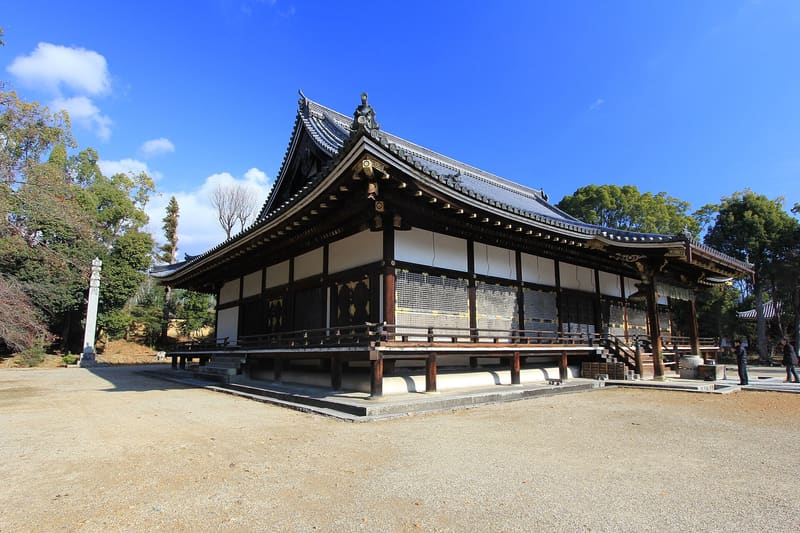 Ninna-ji500 mphoto by くろふね · CC BY 3.0
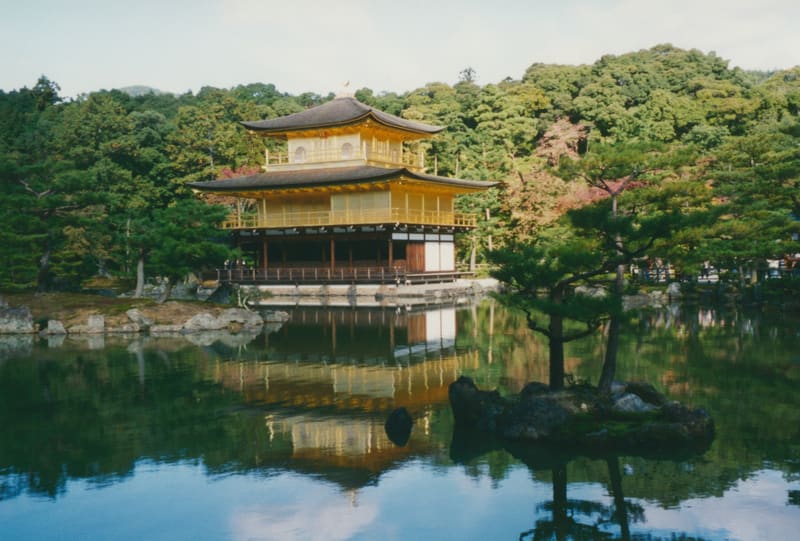 Kinkaku-ji1.2 kmphoto by Arian Zwegers from Brussels, Belgium · CC BY 2.0
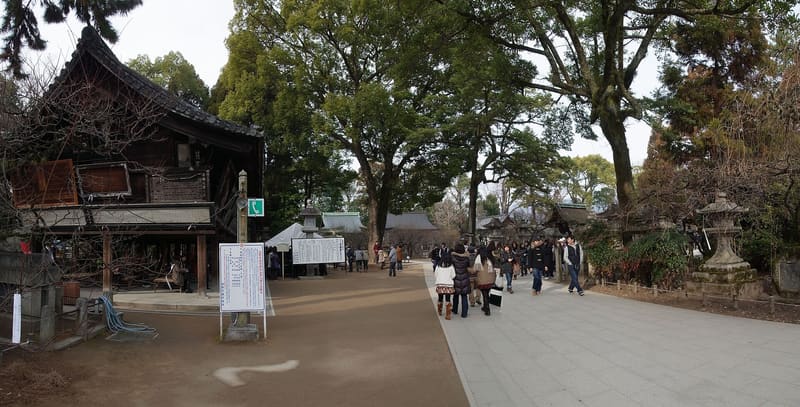 Kitano Tenman-gū1.6 kmphoto by z tanuki · CC BY 3.0
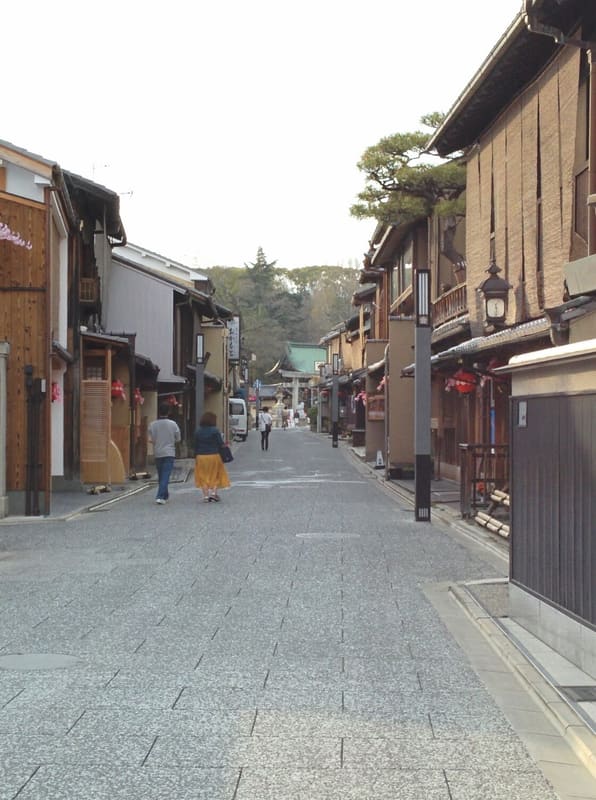 Kamishichiken2 kmphoto by 今紫 · CC BY-SA 4.0