
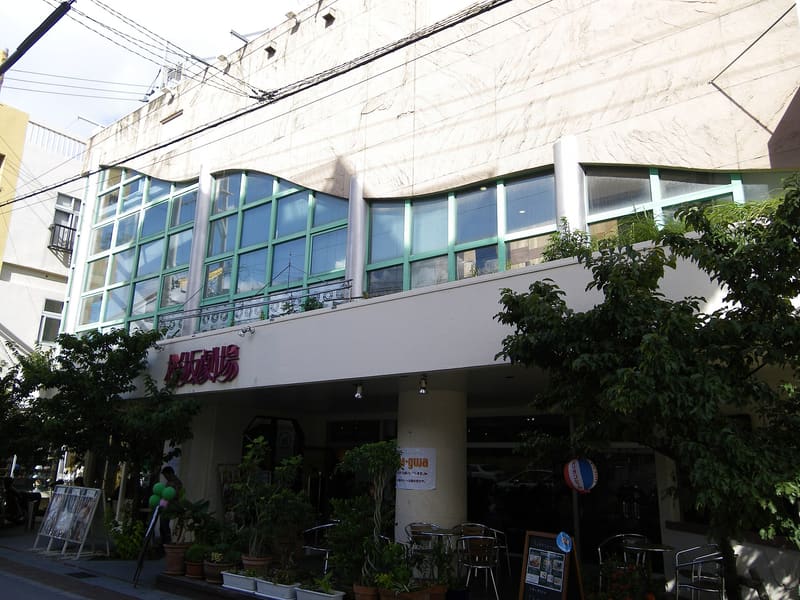
It owes its name to 60 cherry trees planted in 1954: they died almost at once, but the name stayed.
It was laid out in 1951 to give access to a cinema, and the cherry trees planted three years later to give the place a name died almost at once; only the name remained. In the years of American administration it became the liveliest entertainment district in Okinawa, with hundreds of bars and clubs; from the '70s the crown passed elsewhere, and for years the name stood for a neighbourhood in decline. Since the mid-2000s it has had a second life, with cafés, galleries and bars unlike those before.
Naha neighbourhood in the Makishi district, between Kokusai-dori and Heiwa-dori. The old cinema, closed for decades, reopened as Sakurazaka Theater, an art-house cinema with its own café and bookshop, and is now the neighbourhood's landmark. It is also recognised as Okinawa's main LGBT meeting place.
ℹ️ Public neighbourhood, open to walk through at any time; the venues keep their own hours, with the liveliness concentrated from the evening onwards. Sakurazaka Theater shows independent films and hosts events/concerts; the café attached to it (さんご座キッチン) and the shop ふくら舎 (second-hand books, Okinawan crafts) are also open during the day. A few minutes' walk from Makishi Station on the Yui Rail monorail.
🚉 Makishi · 6 min walk
Holidays in Japan? Plan them with us.Over 2,000 real places, a day-by-day itinerary.FreeOpen the map →Sources: ja.wikipedia.org · orionbeer.co.jp
Nearby
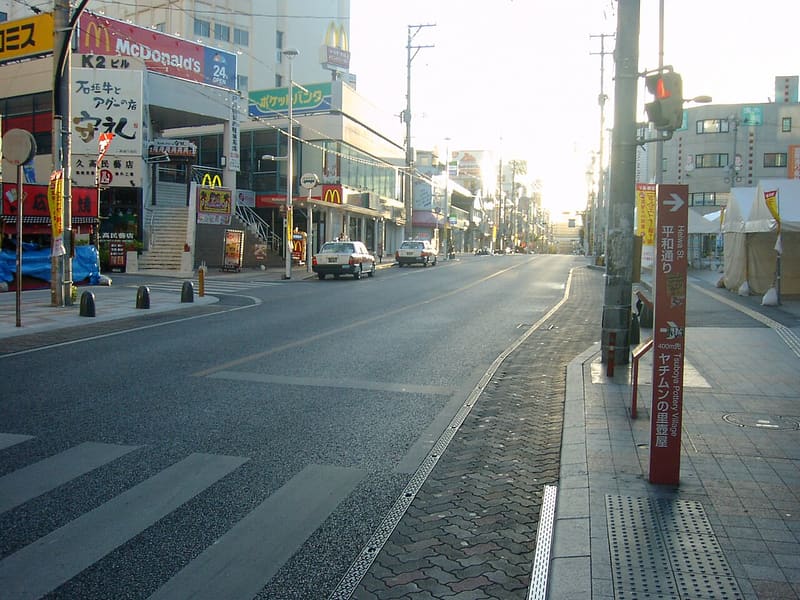
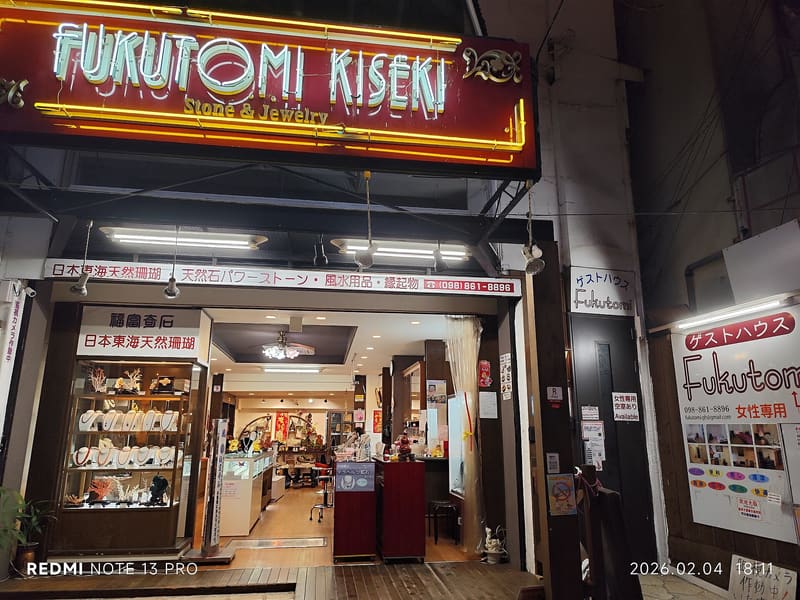 Heiwa-dōri, the market arcade100 mphoto by NORTLAUKAU 26088 JP · CC0
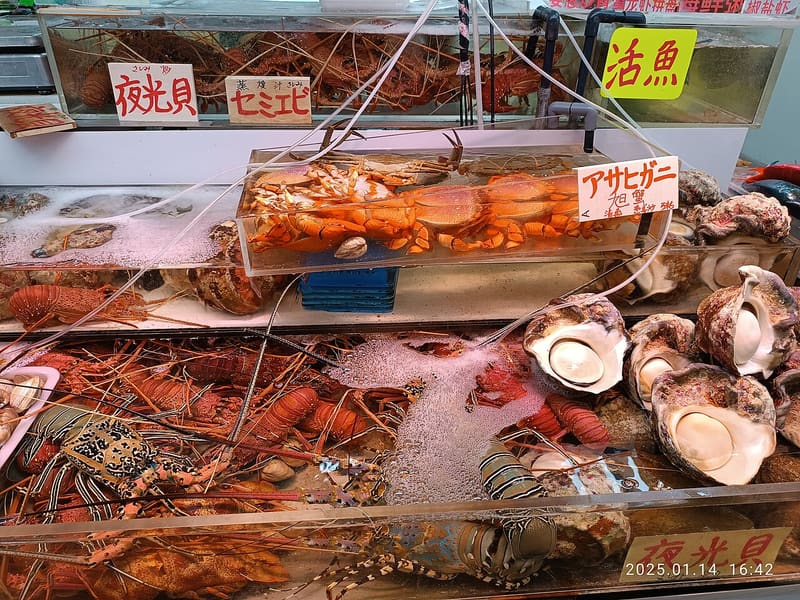 Makishi Public Market200 mphoto by Naha Mama Pavilionz · CC0
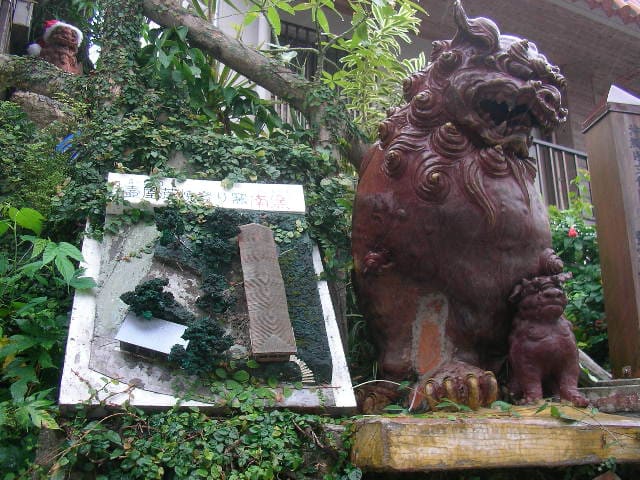 Tsuboya Pottery Street200 mphoto by Hajime NAKANO · CC BY 2.0
 Kokusai-dori400 mphoto by Hikomi Moneru · CC BY 3.0