
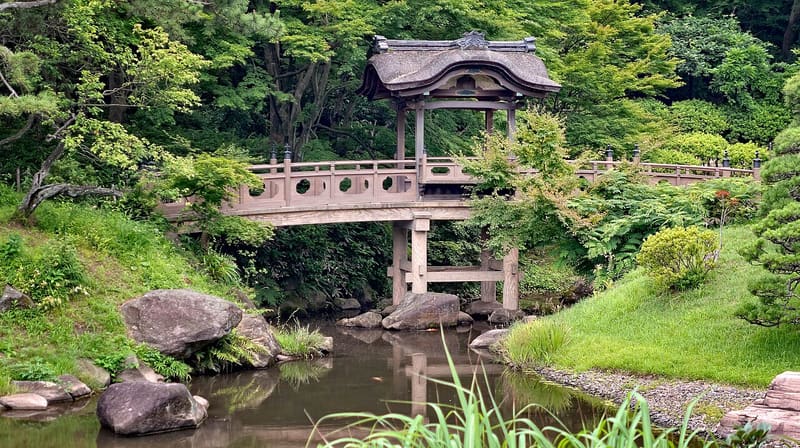
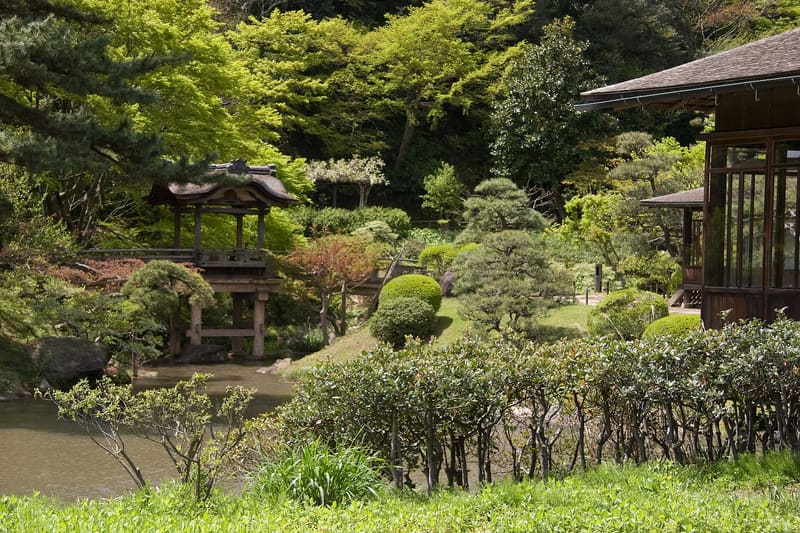
Hara Sankei moved 17 historic buildings here: ten are Important Cultural Properties.
The garden is divided into two areas: the outer one, open to the public since 1906, and the inner one, private until 1958. Seventeen historic buildings from all over Japan were moved here stone by stone (the three-storey pagoda of Tōmyō-ji from Kyoto, the Rinshunkaku villa from Kii, a tea pavilion from Kamakura), ten of which are now national Important Cultural Properties. Hara Sankei, a silk merchant who had grown rich on exports, gathered them here in the early twentieth century to save them from neglect.
Opened in 1906 by the silk businessman Hara Sankei (原富太郎), who moved historic buildings here from all over Japan to create a landscape garden that would also be a lived-in museum of architecture. It was heavily damaged by the 1945 bombings and restored after the war.
ℹ️ Open 9:00–17:00 (last entry 16:30). Ticket 900 yen (high school and over), 200 yen for elementary/junior high school children.
🚉 Honmokubara · 13 min walk
Holidays in Japan? Plan them with us.Over 2,000 real places, a day-by-day itinerary.FreeOpen the map →Sources: ja.wikipedia.org · sankeien.or.jp · sankeien.or.jp · oniwa.garden
Nearby
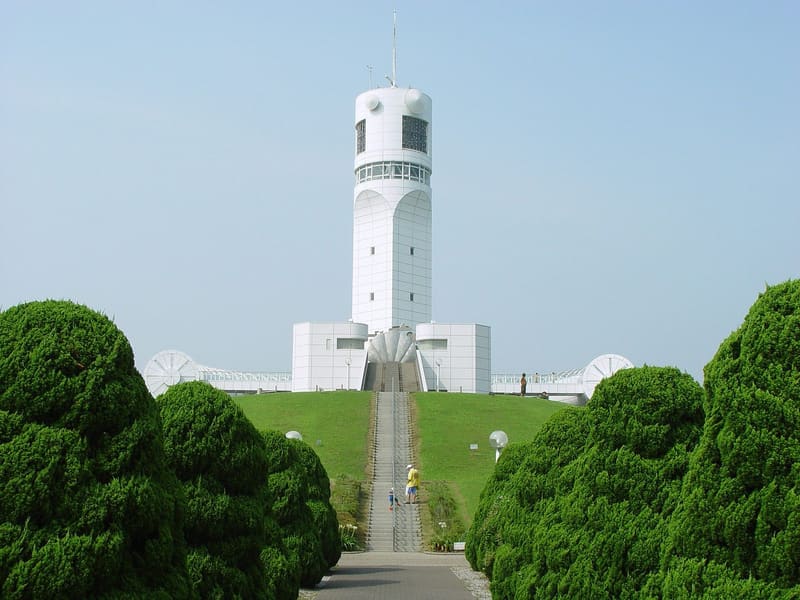 Honmoku Pier and Port Symbol Tower2 km
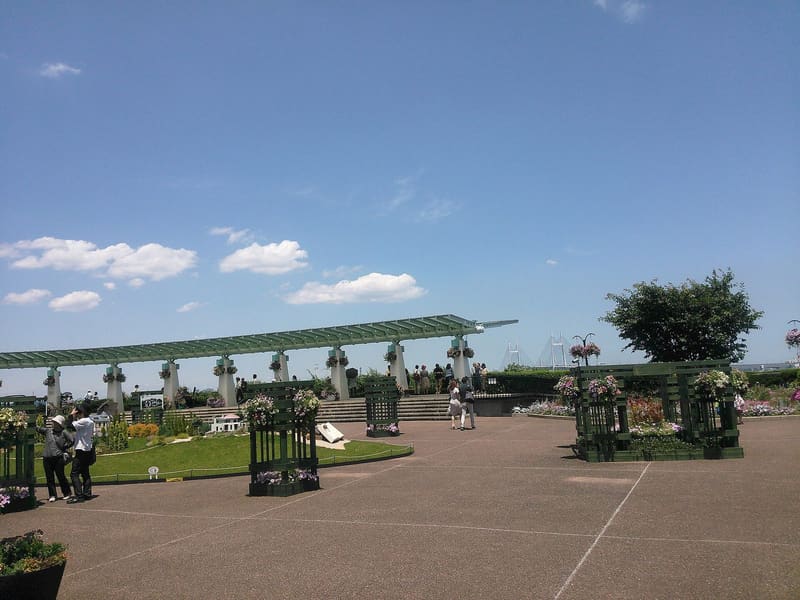 Harbor View Park2.6 kmphoto by 妖精書士 · CC0
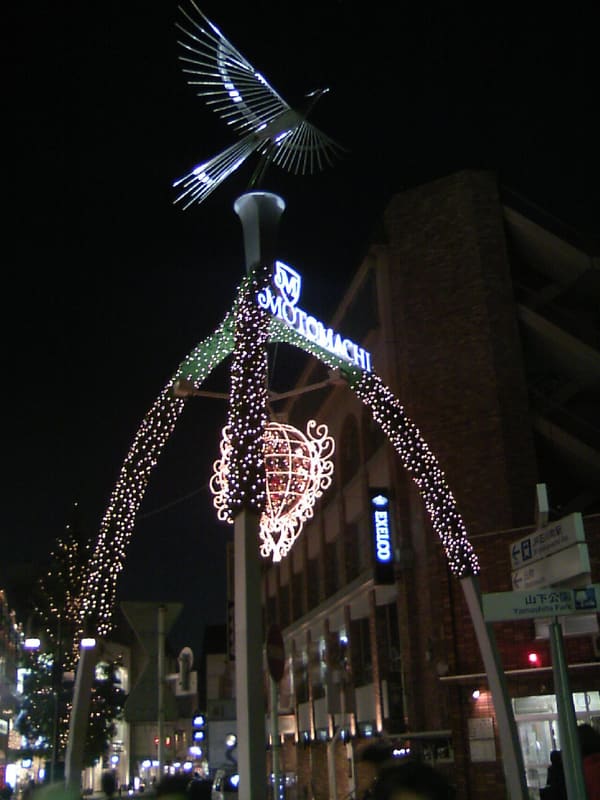 Motomachi Shopping Street2.9 kmphoto by hasano_jp · CC BY 3.0
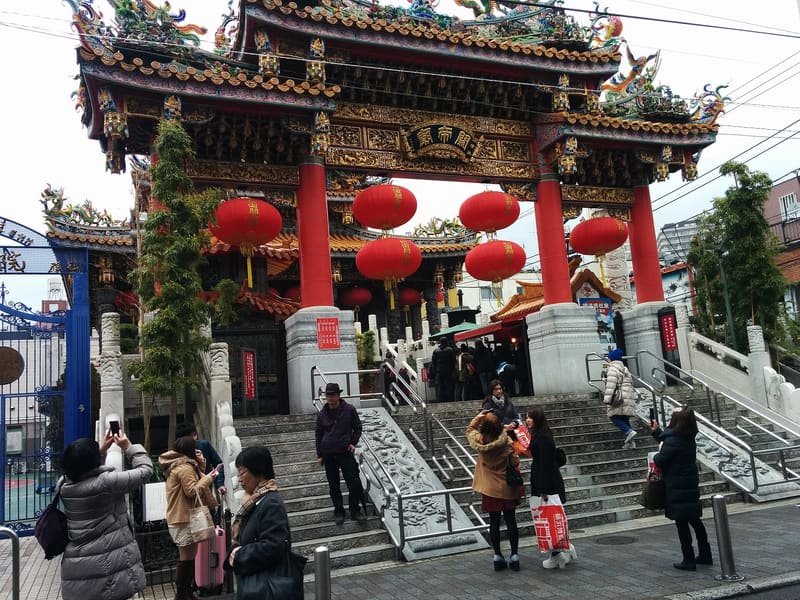 Yokohama Chinatown3.1 kmphoto by x768 · CC BY-SA 2.0