The Anime Trip
🌐 EN ▾
ItalianoEnglish繁體中文(台灣)繁體中文(香港)日本語
PLAN YOUR TRIPMy tripSign in / Sign upSign in / Sign up

Miyagi

Koganeyama Shrine (Kinkasan)

黄金山神社

Open on the mapwith over 1,800 wonders of Japan

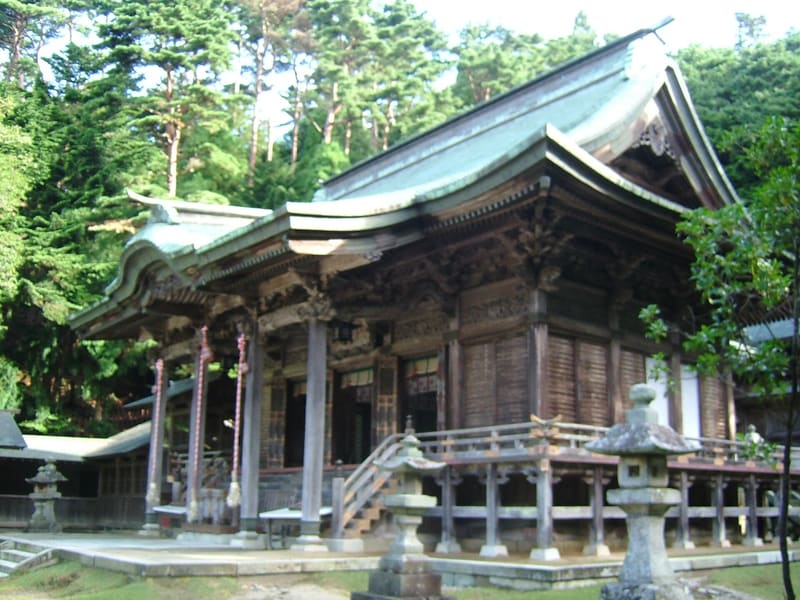
Koganeyama Shrine (Kinkasan)
photo by Geomr · CC BY-SA 3.0
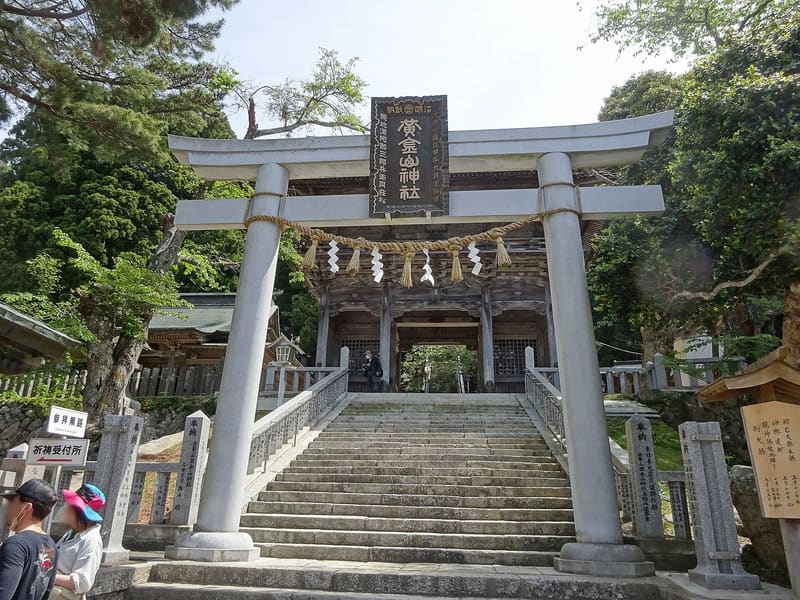
Koganeyama Shrine (Kinkasan)
photo by ブルーノ・プラス · CC BY-SA 4.0

On the sacred island of Kinkasan about 530 sika deer live free; they are regarded as messengers of the deity of Koganeyama Shrine, which before the Meiji period was one of the five major shrines dedicated to Benzaiten in Japan.

The shrine keeps the island's Shinto tradition after the forced secularisation of the Meiji period, when the earlier Buddhist temple Daikin-ji, dedicated to Benzaiten, was converted. You can only get there by boat from Ayukawa port: 20 minutes on the scheduled ferry, which runs only on Sundays, or 15 minutes by sea taxi, booking required. The sika deer living free on the island, about 530 of them, are regarded as sacred messengers of the deity.

Koganeyama Shrine (黄金山神社) stands on Kinkasan Island, off the Oshika Peninsula, in the municipality of Ishinomaki (Miyagi Prefecture). According to tradition it was founded in 750 (Tenpyō-Shōhō era), a date questioned by historians. Before the Meiji period the site was a Buddhist temple called Daikin-ji, dedicated to Benzaiten, and considered one of the five major shrines dedicated to this deity in Japan. Today the shrine honours the mining deities Kanayamahiko and Kanayamahime together with the eight million kami.

ℹ️ It can only be reached by boat from Ayukawa port (石巻市鮎川): the 70-seat scheduled ferry takes about 20 minutes and runs only on Sundays (leaving Ayukawa at 10:30, returning from Kinkasan at 12:30), 2,500 yen return. A 12-seat sea taxi takes 15 minutes and requires booking and a minimum of 5 adults, 3,000 yen per person or 15,000 yen to charter. In bad weather, services are cancelled. About 530 sika deer live free on the island.

Holidays in Japan? Plan them with us.Over 2,000 real places, a day-by-day itinerary.FreeOpen the map →

Sources: kinkasan.com · city.ishinomaki.lg.jp · ja.wikipedia.org

Nearby
All series · Open the map

Koganeyama Shrine (Kinkasan)
Open on the mapwith over 1,800 wonders of Japan
Koganeyama Shrine (Kinkasan)
photo by Geomr · CC BY-SA 3.0
Koganeyama Shrine (Kinkasan)
photo by ブルーノ・プラス · CC BY-SA 4.0

On the sacred island of Kinkasan about 530 sika deer live free; they are regarded as messengers of the deity of Koganeyama Shrine, which before the Meiji period was one of the five major shrines dedicated to Benzaiten in Japan.

The shrine keeps the island's Shinto tradition after the forced secularisation of the Meiji period, when the earlier Buddhist temple Daikin-ji, dedicated to Benzaiten, was converted. You can only get there by boat from Ayukawa port: 20 minutes on the scheduled ferry, which runs only on Sundays, or 15 minutes by sea taxi, booking required. The sika deer living free on the island, about 530 of them, are regarded as sacred messengers of the deity.

Koganeyama Shrine (黄金山神社) stands on Kinkasan Island, off the Oshika Peninsula, in the municipality of Ishinomaki (Miyagi Prefecture). According to tradition it was founded in 750 (Tenpyō-Shōhō era), a date questioned by historians. Before the Meiji period the site was a Buddhist temple called Daikin-ji, dedicated to Benzaiten, and considered one of the five major shrines dedicated to this deity in Japan. Today the shrine honours the mining deities Kanayamahiko and Kanayamahime together with the eight million kami.

ℹ️ It can only be reached by boat from Ayukawa port (石巻市鮎川): the 70-seat scheduled ferry takes about 20 minutes and runs only on Sundays (leaving Ayukawa at 10:30, returning from Kinkasan at 12:30), 2,500 yen return. A 12-seat sea taxi takes 15 minutes and requires booking and a minimum of 5 adults, 3,000 yen per person or 15,000 yen to charter. In bad weather, services are cancelled. About 530 sika deer live free on the island.

Holidays in Japan? Plan them with us.Over 2,000 real places, a day-by-day itinerary.FreeOpen the map →

Sources: kinkasan.com · city.ishinomaki.lg.jp · ja.wikipedia.org

Nearby