
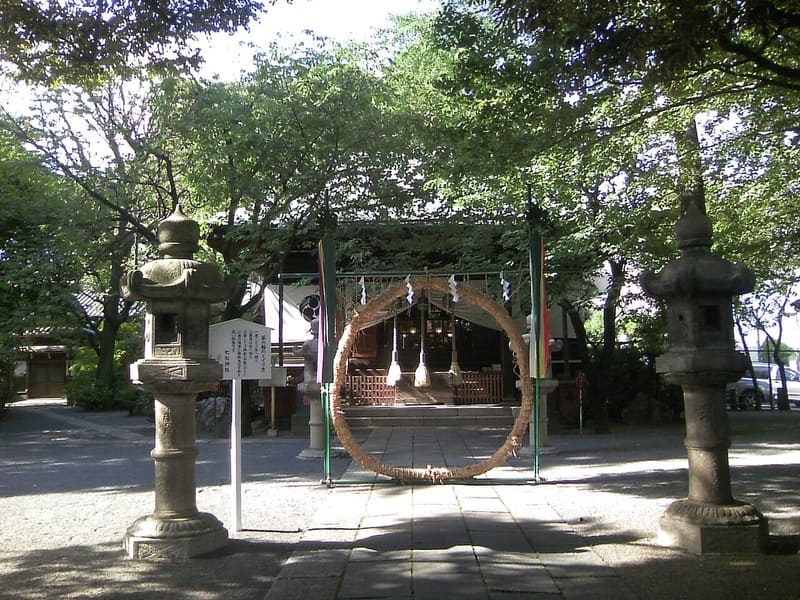
A shrine to seven deities, depicted as ‘七社’ in the ‘Edo meisho zue’; the Meiji-era separation of Shinto and Buddhism moved it to the present site of the Ipponsugi Shinmeigū. The land between the grounds and the adjacent area is the shell mound known as ‘Nanasha jinja ura kaizuka’, where Jōmon and Yayoi pottery and haji ware have been found. In 1879 Shibusawa Eiichi set up his Asukayama residence in Nishigahara and became a parishioner: the 1920 shrine building was built with donations collected under his name, and the calligraphy on the plaque is his.
ℹ️ Grounds always accessible. The themed items are no longer available.
🚉 Kami-Nakazato · 8 min walk
Holidays in Japan? Plan them with us.Over 2,000 real places, a day-by-day itinerary.FreeOpen the map →My Happy Marriage
It is not a setting: the shrine was one of the six places of worship (three in Tokyo, three in Kyoto) in the official collaboration ‘わたしの幸せな良縁結び’, from 16 November to 15 December 2023, with omamori, goshuinchō and goshuin dedicated to Miyo and Kiyoka. The initiative has ended, and the omamori and goshuin were never sold online.
Sources: prtimes.jp · presswalker.jp
Nearby
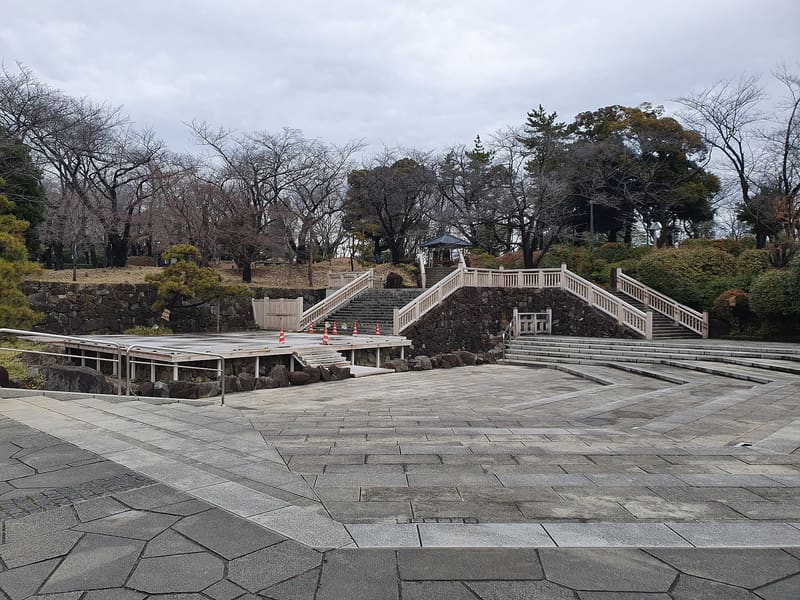 Asukayama Park and its three museums300 mphoto by Syced · CC0
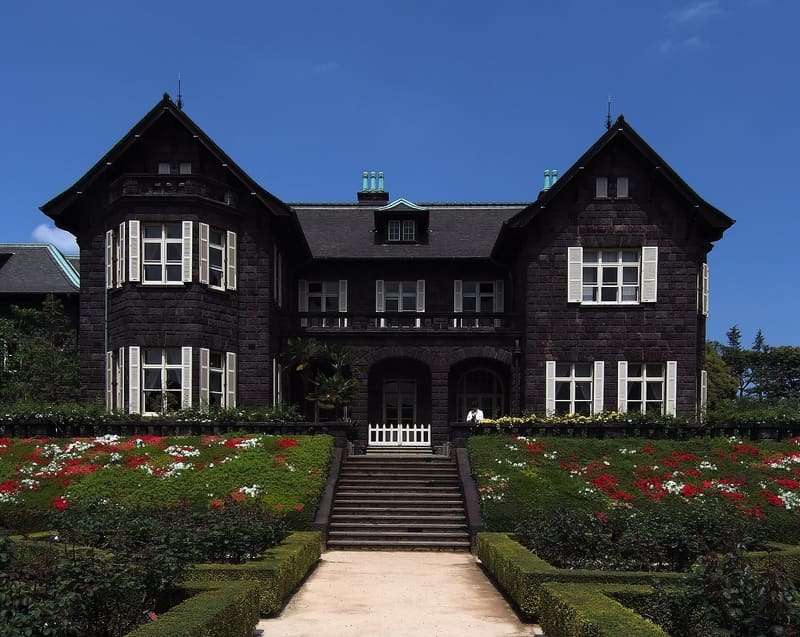 Kyū-Furukawa Garden800 mphoto by Wiiii · CC BY-SA 3.0
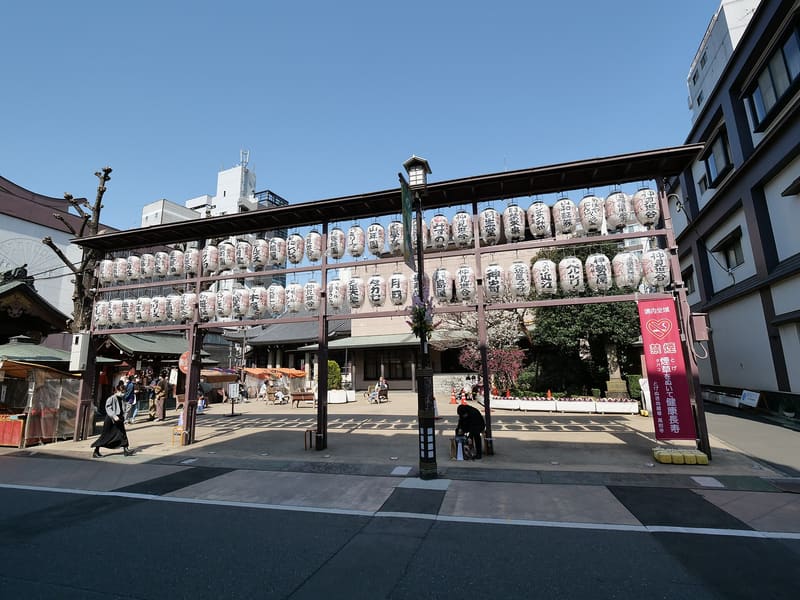 Sugamo: Togenuki Jizō (Kōgan-ji) and Jizō-dōri1.5 kmphoto by Drivephotographer · CC0
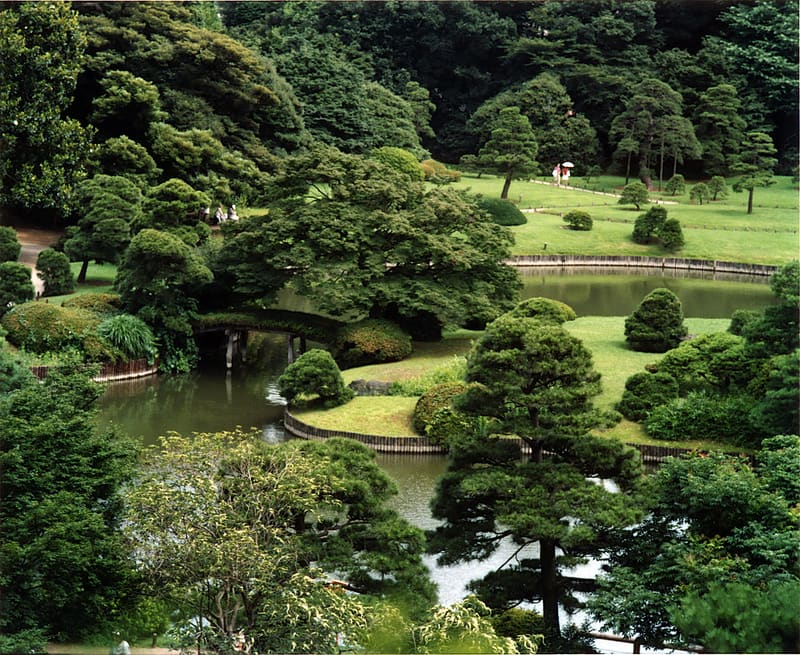 Rikugien Garden1.7 kmphoto by No machine-readable author provided. Fg2 ass · Public domain