
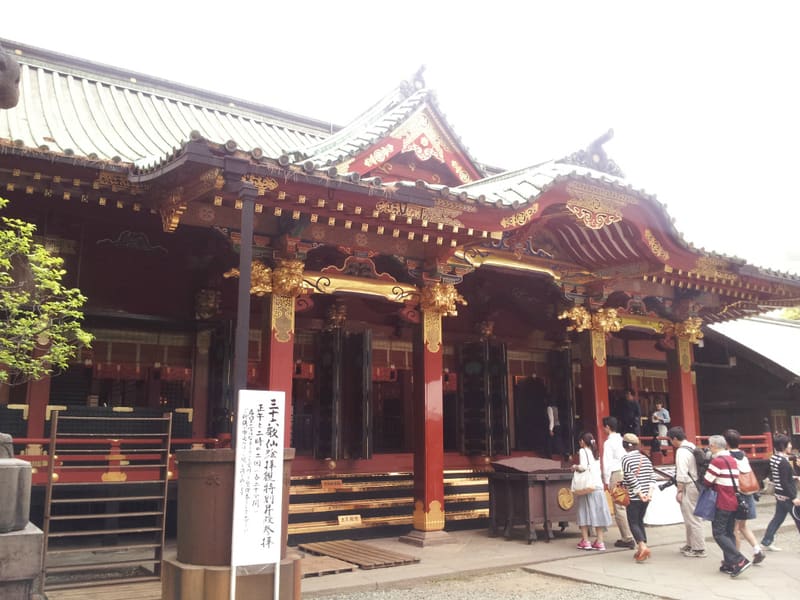
The present shrine, commissioned by the shogun in 1706, has been a cultural property since 1931.
The fifth shogun, Tokugawa Tsunayoshi, had it rebuilt in 1706, mobilising feudal lords from all over the country for the works. Seven buildings (the main hall, the Chinese-style gate and the two-storey gate among them) have been protected as Important Cultural Properties since 1931.
Shinto shrine that tradition holds was founded more than 1,900 years ago, but the complex you see today is the one commissioned in 1706 by the shogun Tokugawa Tsunayoshi. Seven structures (honden, heiden, haiden, Chinese gate, west gate, enclosure fence and two-storey gate) have been Important Cultural Properties since 14 December 1931.
ℹ️ The grounds are free to enter, but the gate closes at sunset; the azalea garden, in bloom in April, charges admission and has set opening hours.
🚉 Nezu · 8 min walk
Holidays in Japan? Plan them with us.Over 2,000 real places, a day-by-day itinerary.FreeOpen the map →Sakamoto Days
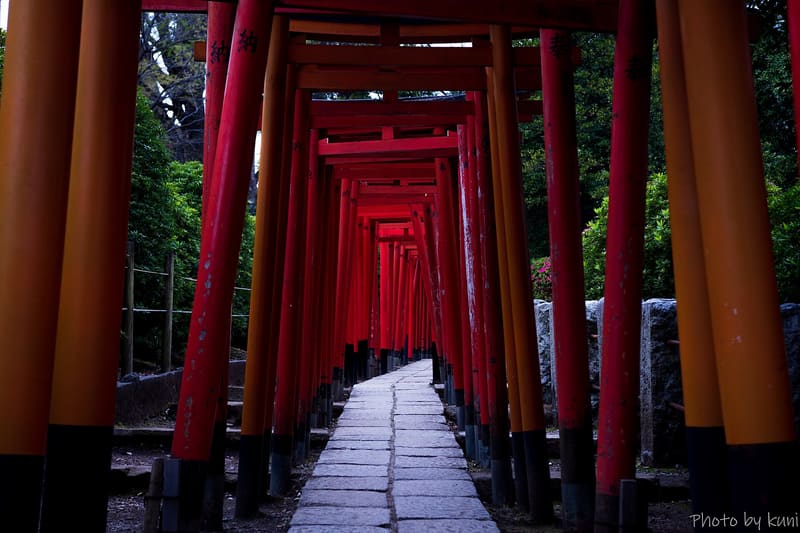
The tunnel of vermilion torii at Otome Inari (the ‘senbon torii’ that climbs the azalea hill) is given by pilgrimage guides as the setting of the fight between Osaragi and the death-row convict Dump, in chapters 42–43: Osaragi stops to pray, then fights by knocking down the torii one after another. In the manga the shrine is not named and the identification comes from blogs, not from an official source, but the torii tunnel and the stairway match.
Sources: tabimaniajapan.com · wazaanime.com · ja.wikipedia.org · online.bunka.go.jp · nedujinja.or.jp
Nearby
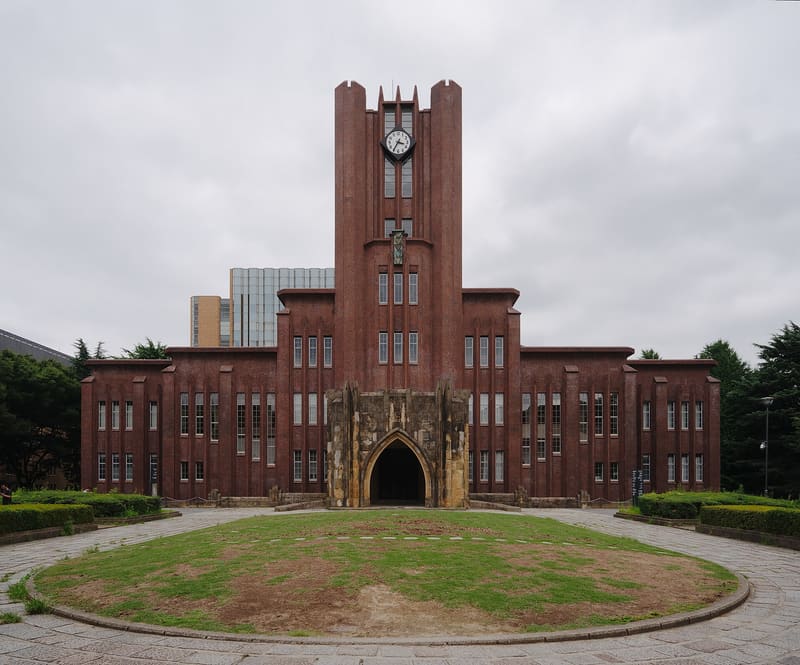 University of Tokyo, Hongō Campus800 mphoto by Daniel L. Lu (user:dllu) · CC BY-SA 4.0
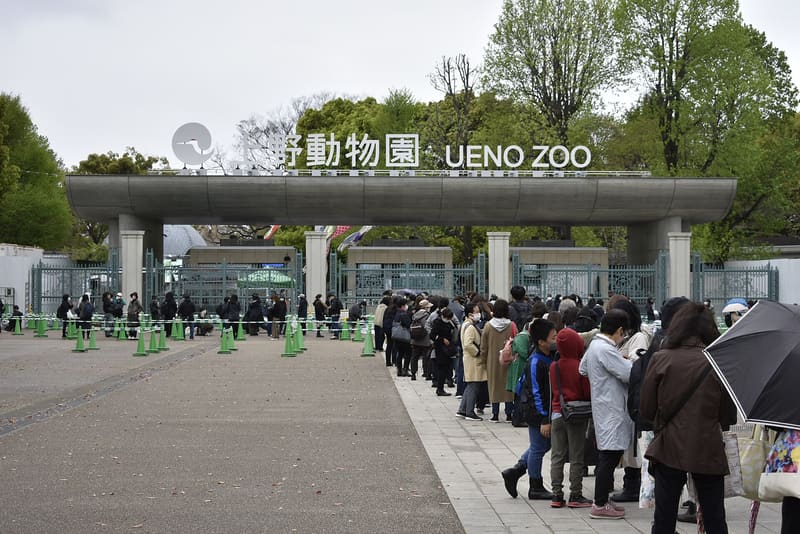 Ueno Zoo900 mphoto by 江戸村のとくぞう · CC BY-SA 4.0
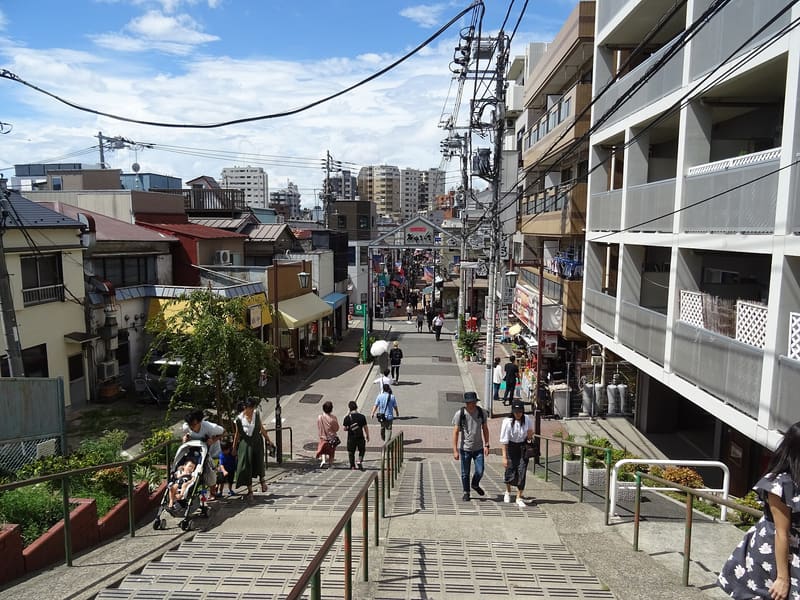 Yanaka Ginza and Yuyake Dandan1000 mphoto by Christophe95 · CC BY-SA 4.0
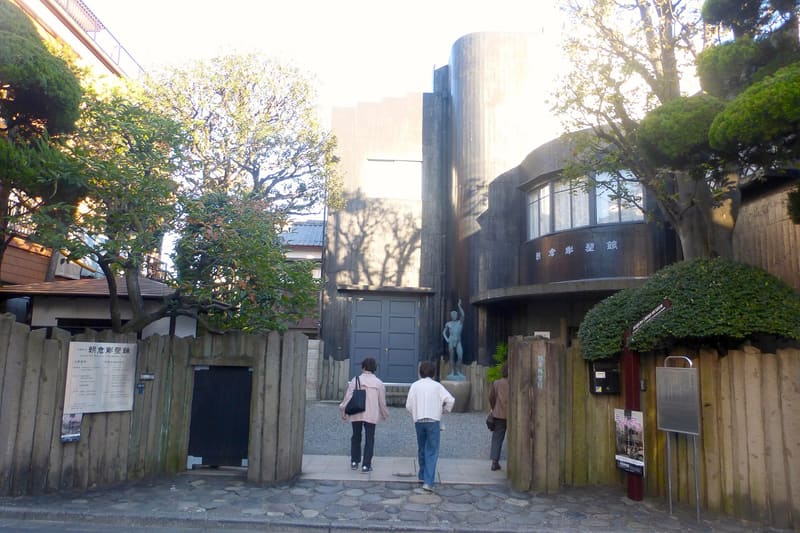 Asakura Museum of Sculpture1 kmphoto by Nesnad · CC BY 3.0