
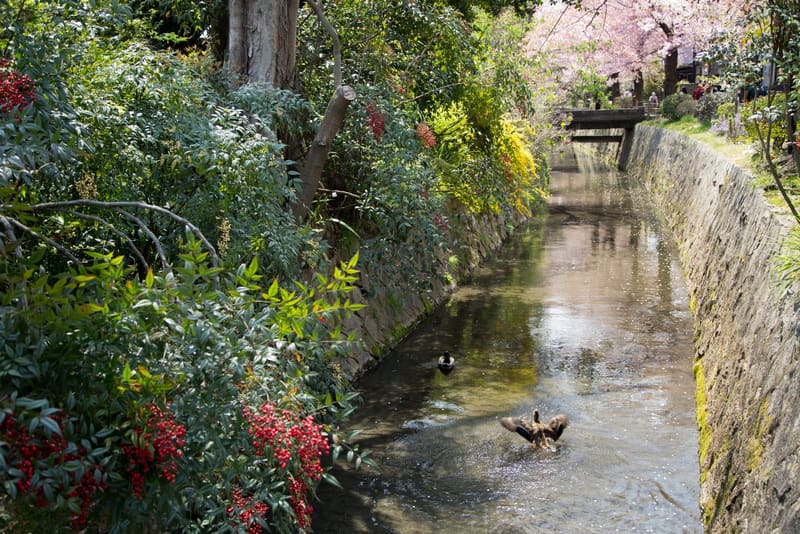
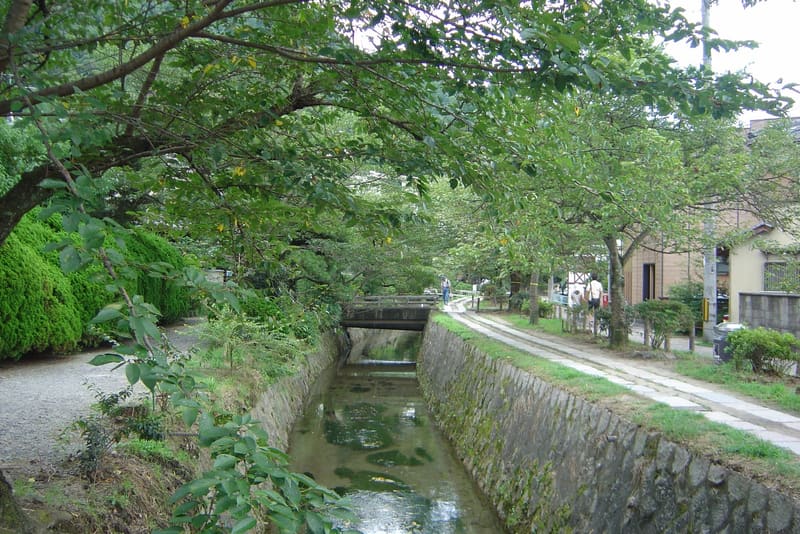
About 400 cherry trees along the canal: in early April the fallen petals cover the water.
You walk for two kilometres on a stone path along the canal that brings water from Lake Biwa to Kyoto, with the temples opening up one after another on the hillside: Eikan-dō, Hōnen-in, all the way to Ginkaku-ji. The cherry trees are the ‘Kansetsu-zakura’, grown from the 300 saplings that the painter Hashimoto Kansetsu and his wife gave to the city in 1921; in autumn the colour comes from the maples. The name comes from the philosopher Nishida Kitarō, who walked here every morning, and became official in 1972.
A walk along the west bank of a branch of the Lake Biwa Canal (Biwako sosui), the late nineteenth-century waterworks that brings the lake's water to Kyoto. It runs from Wakaōji Bridge, next to Kumano Nyakuōji Shrine, to the Ginkaku-ji bridge on Imadegawa Street. It commemorates Nishida Kitarō and Tanabe Hajime, Kyoto University philosophers who walked here deep in thought; the name was fixed in 1972, when residents started a movement to preserve it. On 10 August 1987 it was included in the ‘100 Roads of Japan’.
ℹ️ A public path, free and always open. From the south: the Tōzai metro to Keage, then about 20 minutes' walk, or bus 5 to the Nanzenji-Eikandō-mae bus stop; from the north: bus 5 or 7 to the Ginkakuji-michi bus stop. The blossom is in early April, and on those days it is among the most crowded spots in Kyoto.
🚉 Keage · 18 min walk
Holidays in Japan? Plan them with us.Over 2,000 real places, a day-by-day itinerary.FreeOpen the map →Sources: ja.kyoto.travel · ja.kyoto.travel · ja.wikipedia.org
Nearby
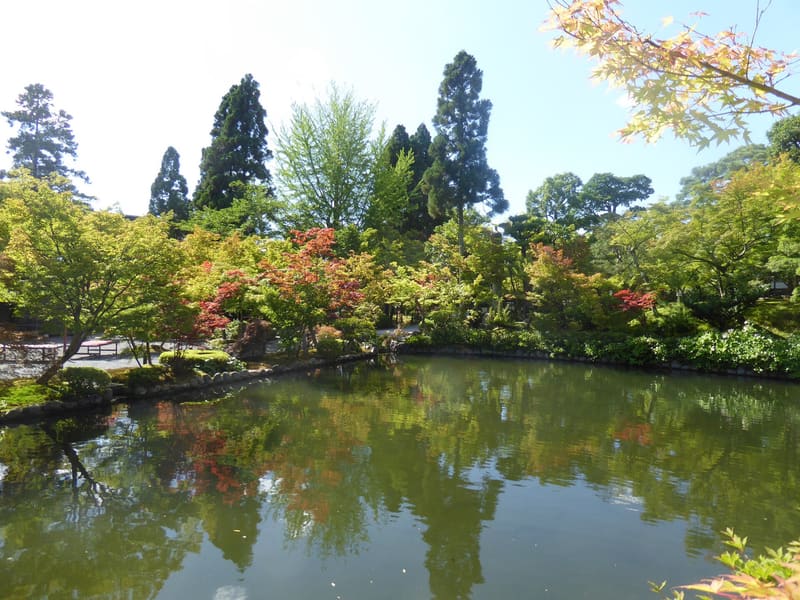 Eikan-dō Zenrin-ji400 mphoto by Mikel Santamaria · CC BY-SA 3.0
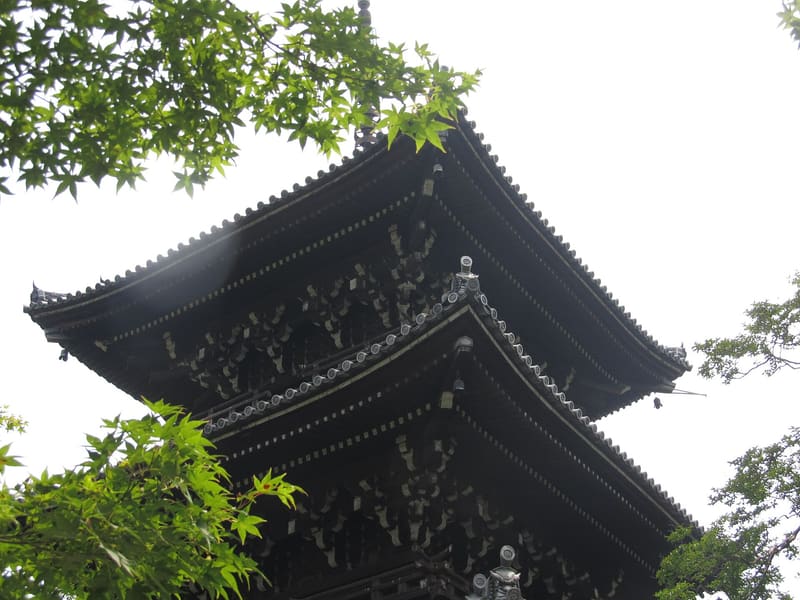 Shinnyo-dō800 mphoto by Hikomi Moneru · CC BY 3.0
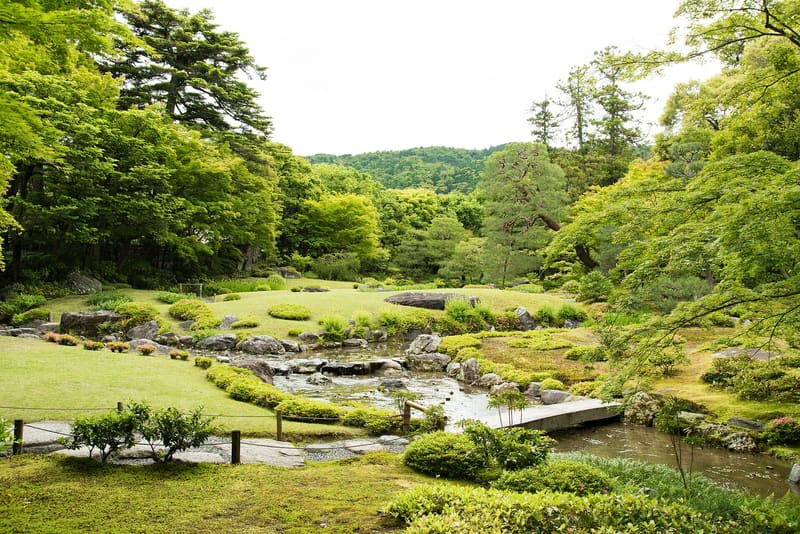 Murin-an1 kmphoto by Sawa masa · CC BY-SA 4.0
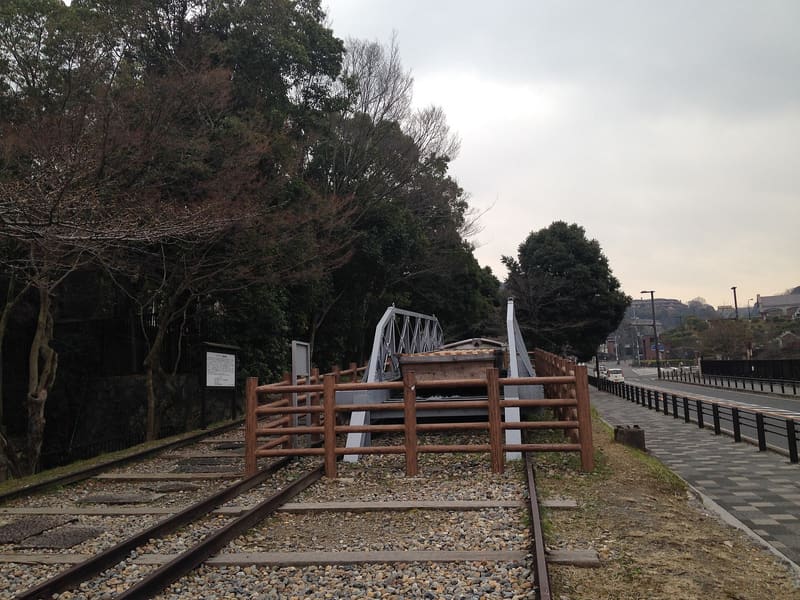 Keage Incline1 kmphoto by そらみみ · CC BY-SA 3.0