
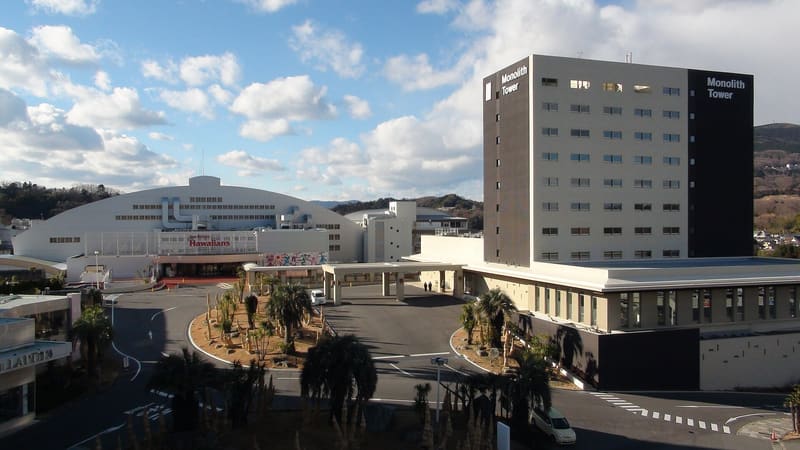
Founded in 1966 to give work to coal miners: their story is the film Hula Girls.
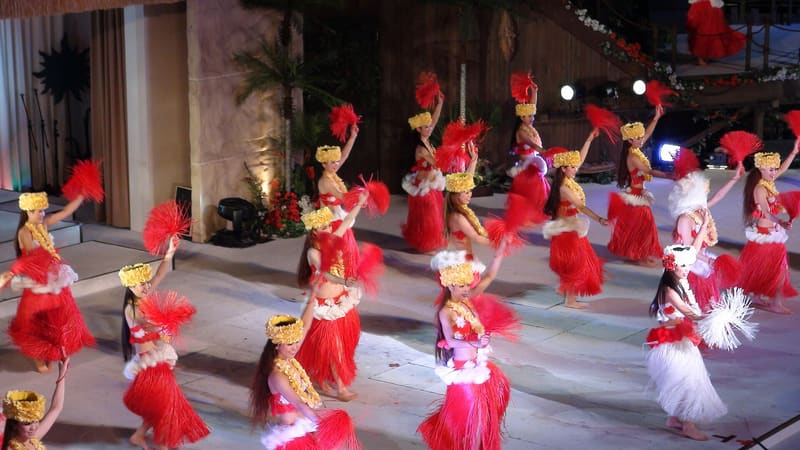
Opened on 15 January 1966 as the ‘Jōban Hawaiian Center’, it was created to give alternative work to the miners of the nearby Jōban coal mine, by then in decline, turning, at great expense, the same hot water the mine had exploited into a Hawaiian-themed spa destination: indoor pools, water slides (including the ‘Big Aloha’, 283 metres, the longest in Japan), traditional baths and Polynesian dance shows over an area of 330,000 m². The story of its founding, and of the miners' daughters who became Hawaiian dancers, is the subject of the film Hula Girls (2006), winner of the Japan Academy Prize for best film and best director. The earthquake of 11 March 2011 (intensity 6-) damaged it and closed it for six months, during which it housed evacuees from the nuclear power plant's evacuation zone; it reopened on 8 February 2012 after a restoration costing 42 billion yen.
An indoor Hawaiian-themed spa resort in the municipality of Iwaki, created by converting the Jōban coal mine.
ℹ️ A paid facility with several ticket types (day ticket, overnight stay in connected hotels); current opening hours and prices not confirmed on an open official source: to be checked before any operational use.
Holidays in Japan? Plan them with us.Over 2,000 real places, a day-by-day itinerary.FreeOpen the map →Sources: ja.wikipedia.org
Nearby
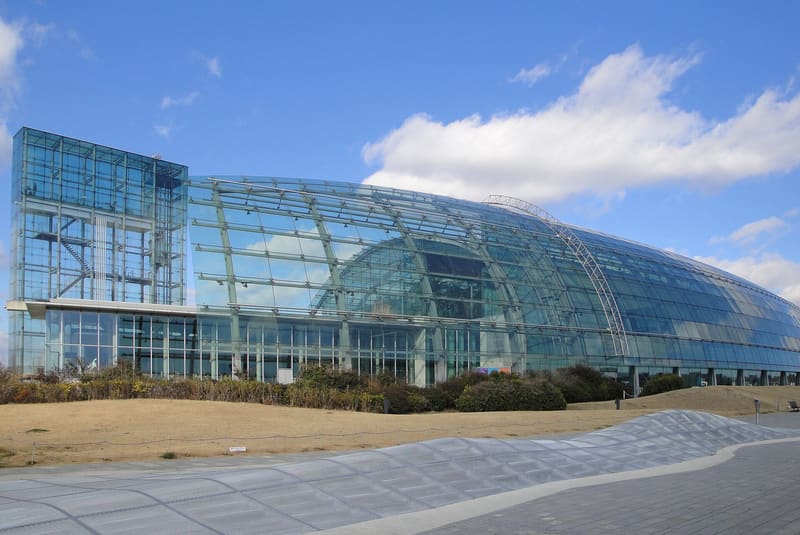 Aquamarine Fukushima12 kmphoto by DAJF · CC BY-SA 3.0