
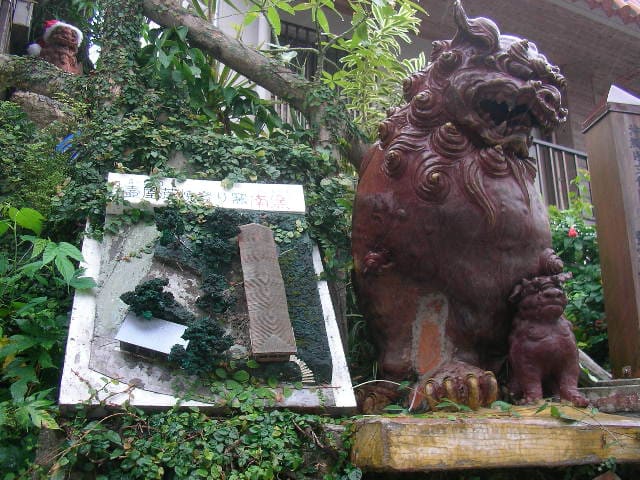
Potters since 1682: on the 400 m street, one shop has been open for over 60 years.
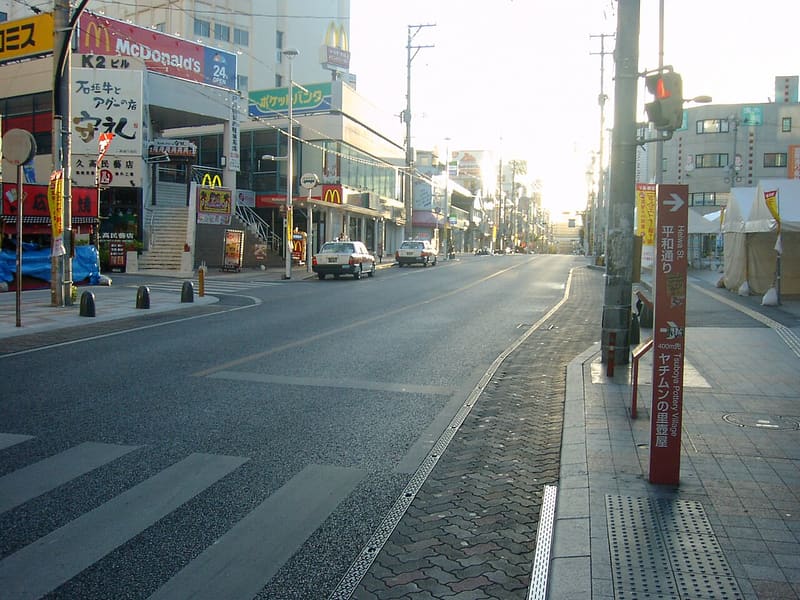
Along the street's 400 metres of limestone, 壺屋工藝店 has been working clay for over 60 years. In the workshops that open onto the street you can see potters at the wheel, and some shops also offer it to visitors. Among the shop windows, the ever-present shisa: the pair of lion-dogs that protects every Okinawan house.
The neighbourhood has been making pottery since at least 1682, when the Ryūkyū kingdom brought the kilns scattered across the island together here to control their production better: plenty of water, good clay and a port nearby. Tsuboya suffered little damage in the Battle of Okinawa in 1945 and remains the corner of Naha with the most houses under old red-tile roofs. It produces yachimun, the Okinawan folk pottery: plates, saké jars, and the shisa.
ℹ️ 5 minutes on foot from Kokusai-dori by way of Heiwa-dori. The street can be walked along at any time; the shops keep their own hours, usually during the day. The Tsuboya Pottery Museum (那覇市立壺屋焼物博物館) also stands on the same street.
🚉 Kainan · 6 min walk
Holidays in Japan? Plan them with us.Over 2,000 real places, a day-by-day itinerary.FreeOpen the map →Sources: okinawastory.jp · commons.wikimedia.org
Nearby
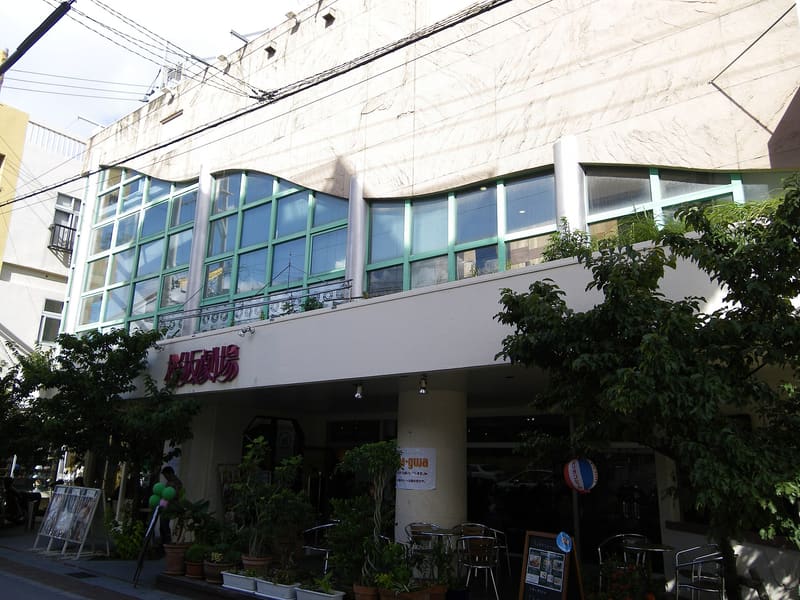 Sakurazaka200 mphoto by Kugel · Public domain
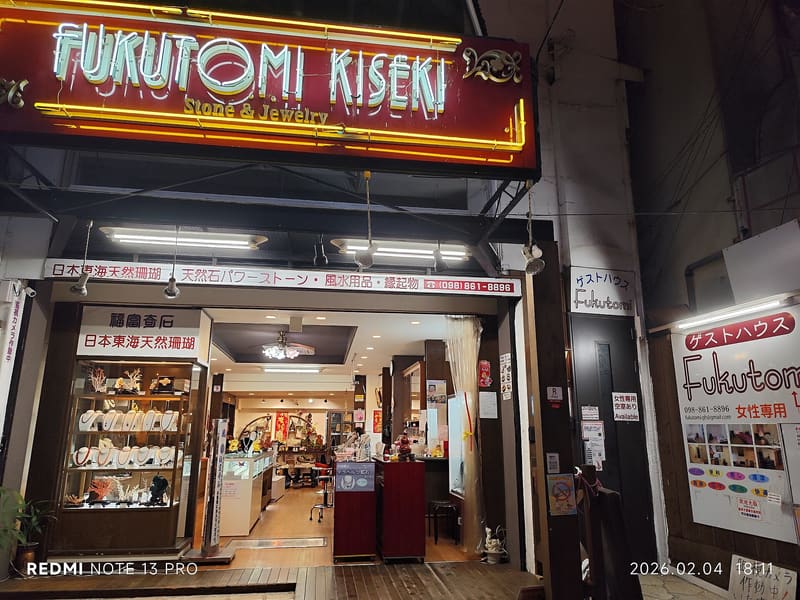 Heiwa-dōri, the market arcade300 mphoto by NORTLAUKAU 26088 JP · CC0
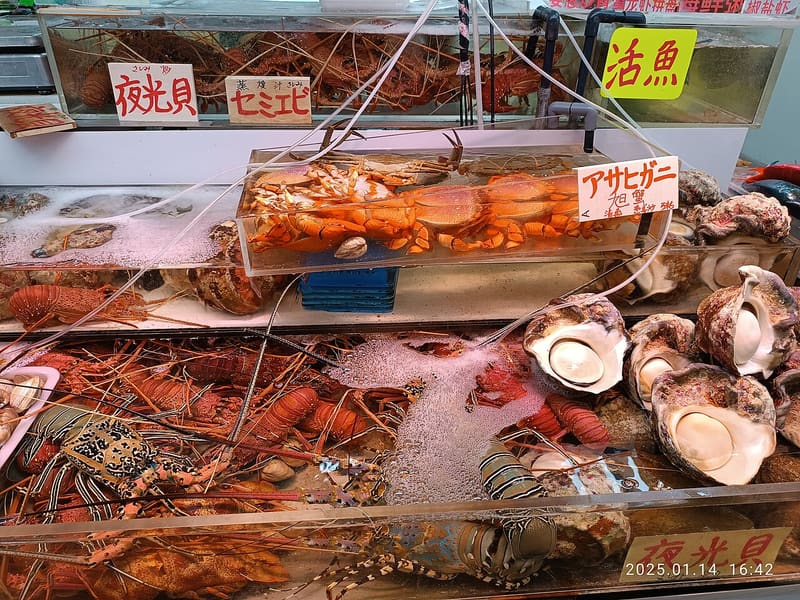 Makishi Public Market300 mphoto by Naha Mama Pavilionz · CC0
 Kokusai-dori600 mphoto by Hikomi Moneru · CC BY 3.0