The Anime Trip
🌐 EN ▾
ItalianoEnglish繁體中文(台灣)繁體中文(香港)日本語
PLAN YOUR TRIPMy tripSign in / Sign upSign in / Sign up

Gifu

Hida no Sato Folk Village

飛騨の里

Open on the mapwith over 1,800 wonders of Japan

Hida no Sato Folk Village (飛騨民俗村・飛騨の里)
photo by Oren Rozen · CC BY-SA 4.0
Hida no Sato Folk Village (飛騨民俗村・飛騨の里)
photo by Mikkabie · CC BY-SA 4.0

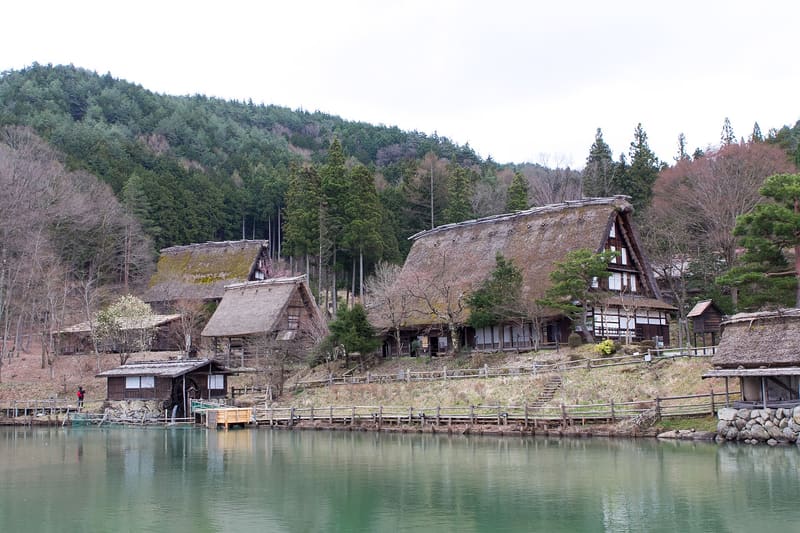
Thirty houses saved in 1959 from the Miboro Dam: four are Important Cultural Properties.

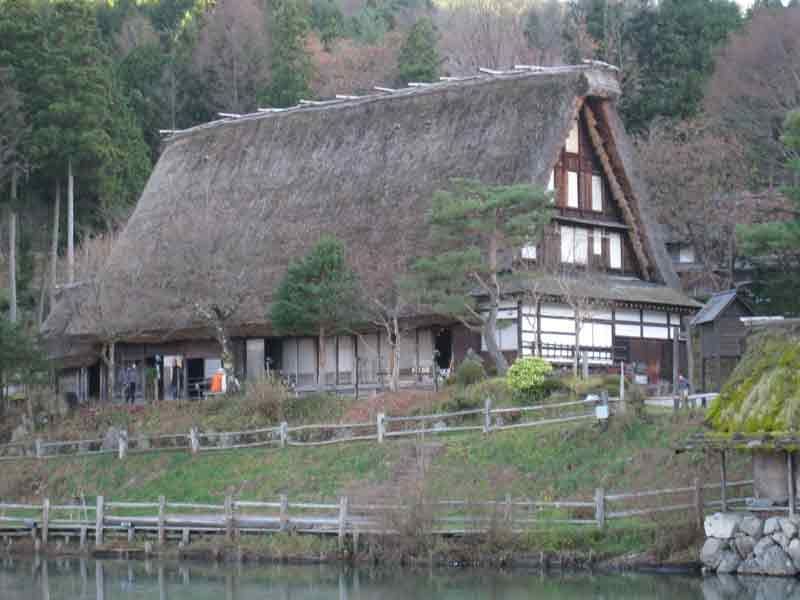
When in 1959 the Miboro Dam threatened to submerge whole villages of upper Hida, some thirty rural houses (many of them gasshō-zukuri, with steeply pitched roofs to bear the snow) were dismantled and rebuilt here, on a hill on the edge of Takayama; the museum opened in 1971. Four of the houses are Important Cultural Properties of Japan, and craftspeople on site still demonstrate weaving, carving and straw work.

Open-air ethnographic museum bringing together traditional rural houses from the Hida area, many of them saved from being submerged by the Miboro Dam in the ’50s–’60s.

ℹ️ Open 8:30–17:00 all year round (extended evening hours during the winter illuminations). Tickets: adults 700 yen, children 200 yen.

🚉 Takayama Nohi Bus Centre · 32 min walk

Holidays in Japan? Plan them with us.Over 2,000 real places, a day-by-day itinerary.FreeOpen the map →

Sources: hidanosato.com · j-muse.or.jp

Nearby
All series · Open the map

Hida no Sato Folk Village (飛騨民俗村・飛騨の里)
Open on the mapwith over 1,800 wonders of Japan
Hida no Sato Folk Village (飛騨民俗村・飛騨の里)
photo by Oren Rozen · CC BY-SA 4.0
Hida no Sato Folk Village (飛騨民俗村・飛騨の里)
photo by Mikkabie · CC BY-SA 4.0

Thirty houses saved in 1959 from the Miboro Dam: four are Important Cultural Properties.

When in 1959 the Miboro Dam threatened to submerge whole villages of upper Hida, some thirty rural houses (many of them gasshō-zukuri, with steeply pitched roofs to bear the snow) were dismantled and rebuilt here, on a hill on the edge of Takayama; the museum opened in 1971. Four of the houses are Important Cultural Properties of Japan, and craftspeople on site still demonstrate weaving, carving and straw work.

Open-air ethnographic museum bringing together traditional rural houses from the Hida area, many of them saved from being submerged by the Miboro Dam in the ’50s–’60s.

ℹ️ Open 8:30–17:00 all year round (extended evening hours during the winter illuminations). Tickets: adults 700 yen, children 200 yen.

🚉 Takayama Nohi Bus Centre · 32 min walk

Holidays in Japan? Plan them with us.Over 2,000 real places, a day-by-day itinerary.FreeOpen the map →

Sources: hidanosato.com · j-muse.or.jp

Nearby