
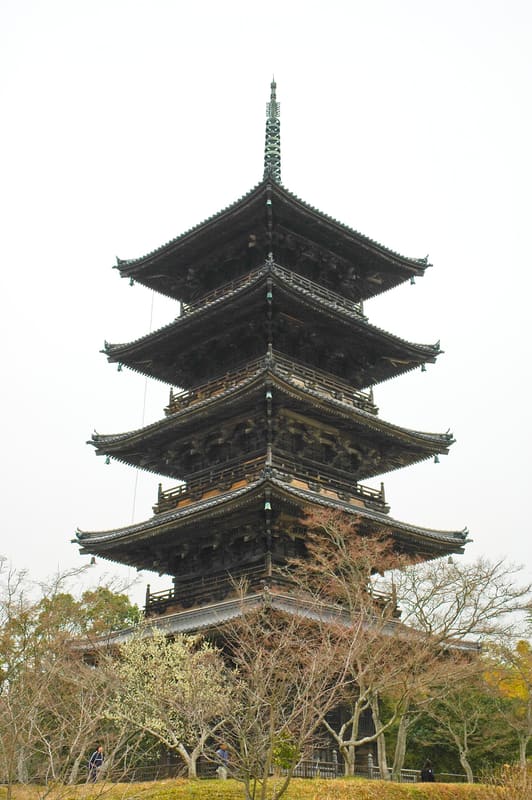
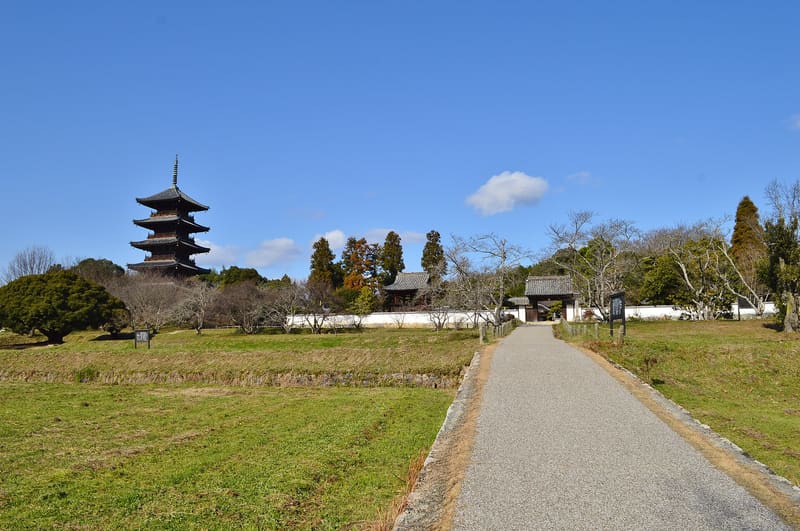
The only five-storey pagoda in Okayama: 34 metres, completed in 1847 among the rice paddies.
A temple founded in 741 by decree of Emperor Shōmu, one of the provincial kokubunji spread across Japan. The five-storey pagoda you see today was begun in 1821 and completed between 1844 and 1847: 34.3 metres tall, it is the only one from the late Edo period left in the whole of Okayama Prefecture, and it stands out against the farming landscape of the Kibiji, surrounded by rice fields and, in spring, rapeseed fields. It is the most photographed spot in the region.
National Important Cultural Property (pagoda, 1980) and National Historic Site (remains of the original temple, 1968). A central stop on the Kibiji cycle route, 25 km between Sōja and Okayama, which also passes the Tsukuriyama burial mound, the fourth largest in Japan and the largest that is freely accessible.
ℹ️ The outside area and the pagoda can be seen freely. Bicycle hire at Sōja and Bizen-Ichinomiya stations for riding the cycle route.
Holidays in Japan? Plan them with us.Over 2,000 real places, a day-by-day itinerary.FreeOpen the map →Sources: ja.wikipedia.org
Nearby
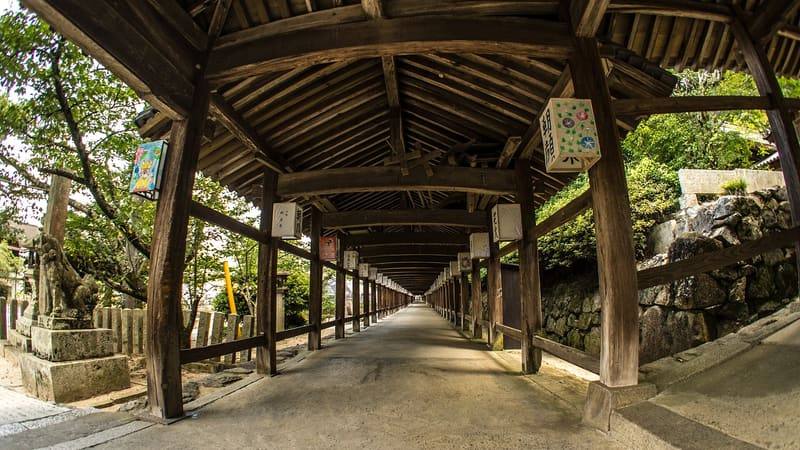 Kibitsu-jinja6.5 kmphoto by 次田和宏 · CC BY 3.0
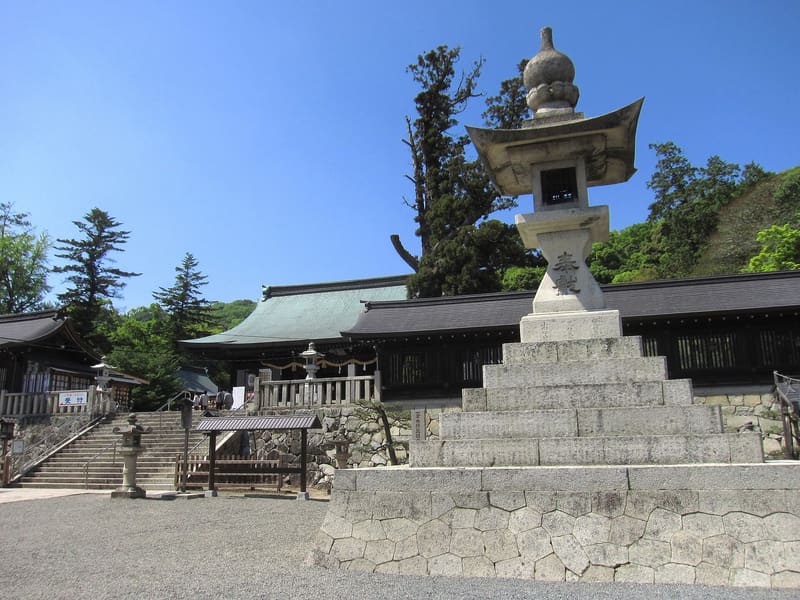 Kibitsuhiko-jinja7.2 kmphoto by Saigen Jiro · CC0
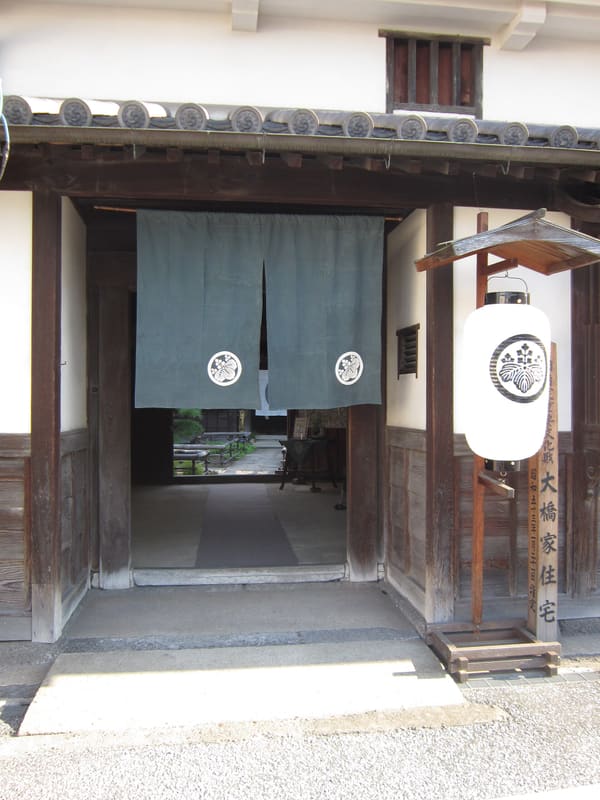 Ōhashi Residence7.9 kmphoto by MING-JUI YEH · CC BY-SA 4.0
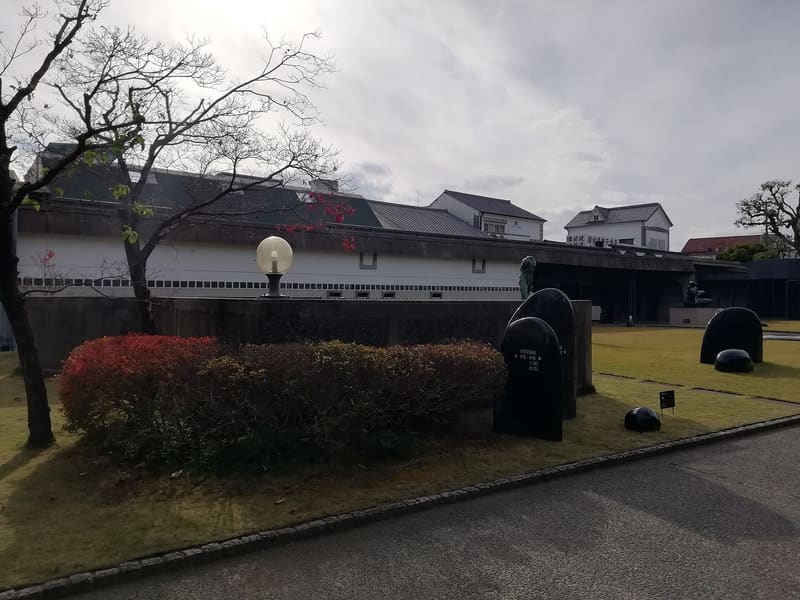 Ohara Museum of Art7.9 kmphoto by Taisyo · CC BY 3.0