
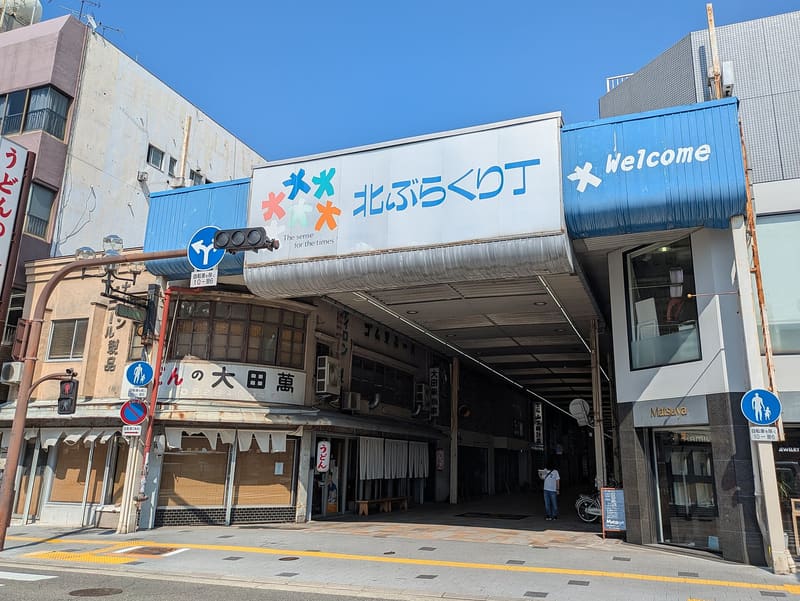
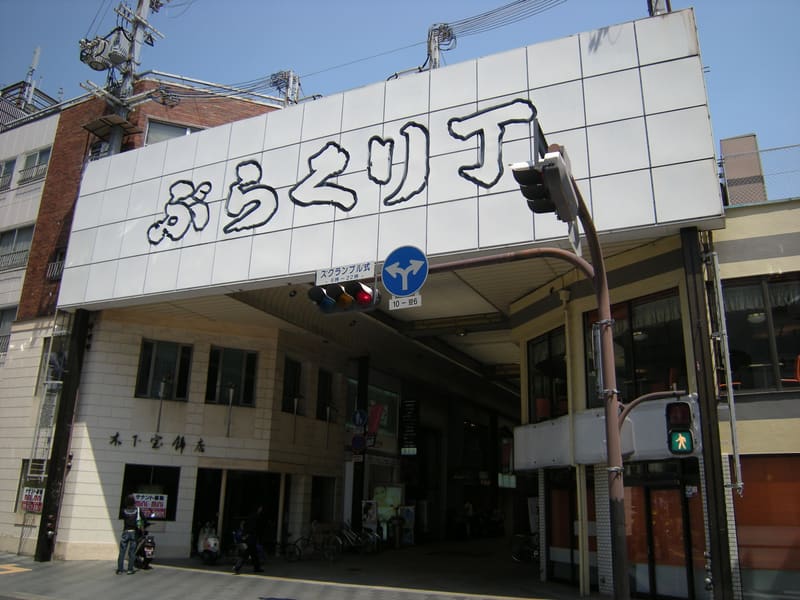
In 18 years daily visitors fell from 54,147 to 17,461: two numbers, one decline.
Six adjoining shopping streets (Honmachi, Burakuri, Naka-Burakuri, Higashi-Burakuri, Burakuri Ōdōri and Kita-Burakuri) together make up about 250 shops between the centre of Wakayama and the Nankai station. The name is said to come from the verb ‘burakuru’ (to hang): Edo-period merchants displayed their goods hanging outside their shops. The decline is measured in concrete numbers: the passers-by counted per day in the central area fell from 54,147 in 1992 to 17,461 in 2010, while the historic department stores Daimaru (1998), Vivre and Marusho (2001) closed one after another and the share of empty shops rose from 11.51% (2002) to 27.94% (2010). The Kita-Burakuri stretch, the northernmost, has instead turned towards an identity as a ‘workshop town’: small craft shops in a retro Shōwa-era atmosphere, with period signs still in place.
Wakayama's historic shopping and entertainment district, the largest commercial hub in the prefecture in the Edo period under the Kishū domain.
ℹ️ Pedestrian shopping street, open at all times; individual shop hours vary. Halfway between JR Wakayama Station and Nankai Wakayama-shi Station.
🚉 Wakayamashi · 12 min walk
Holidays in Japan? Plan them with us.Over 2,000 real places, a day-by-day itinerary.FreeOpen the map →Sources: ja.wikipedia.org
Nearby
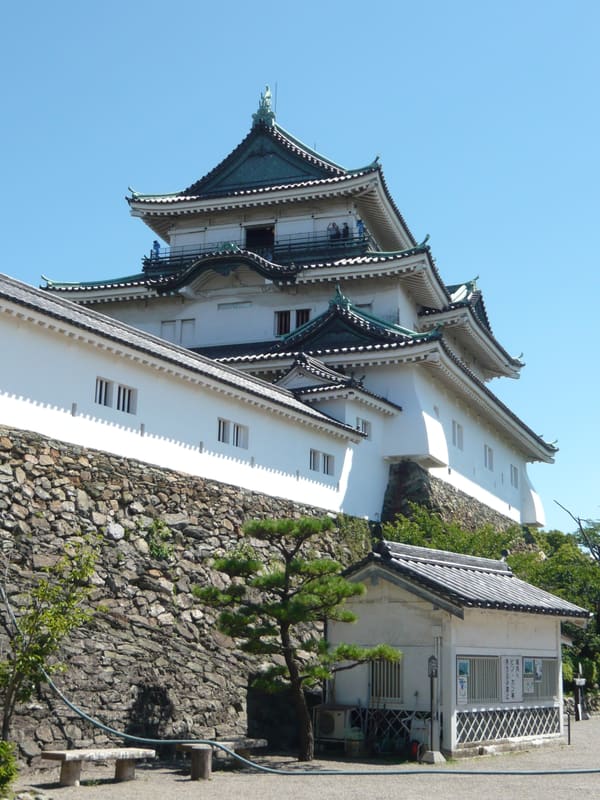 Wakayama Castle800 mphoto by Nankou Oronain (as36… · CC BY-SA 3.0
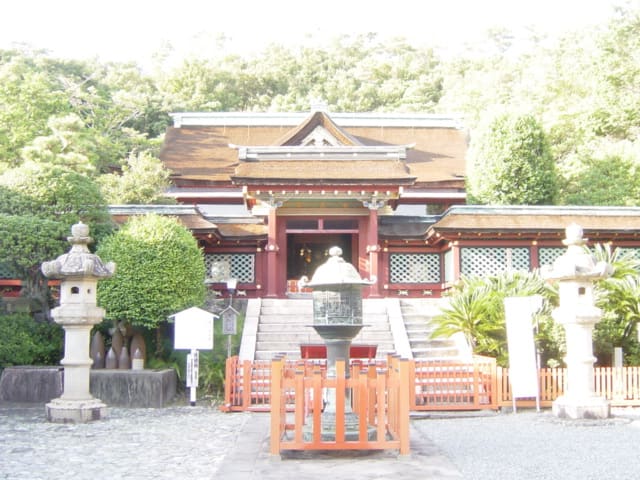 Kishū Tōshō-gū4.7 kmphoto by kouko0515 · Public domain
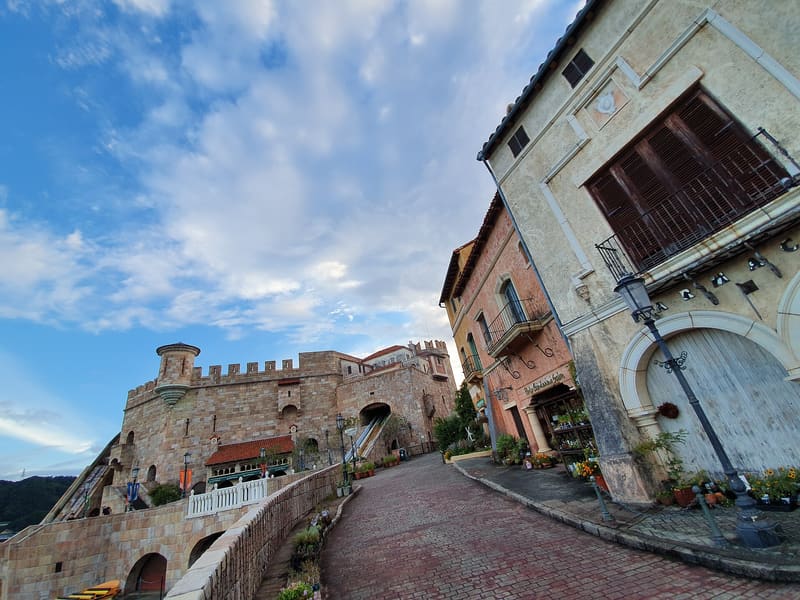 Porto Europa, Wakayama Marina City8.9 kmphoto by Syced · CC0
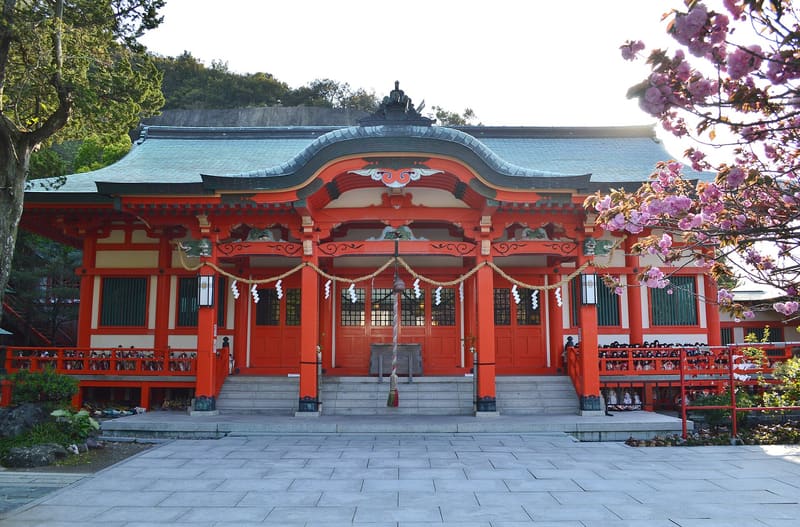 Awashima Jinja, the doll shrine11 kmphoto by Saigen Jiro · CC0