
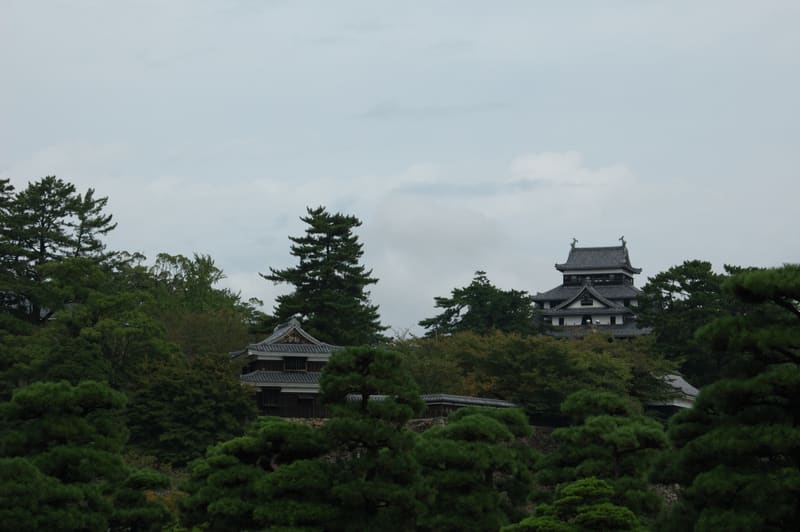
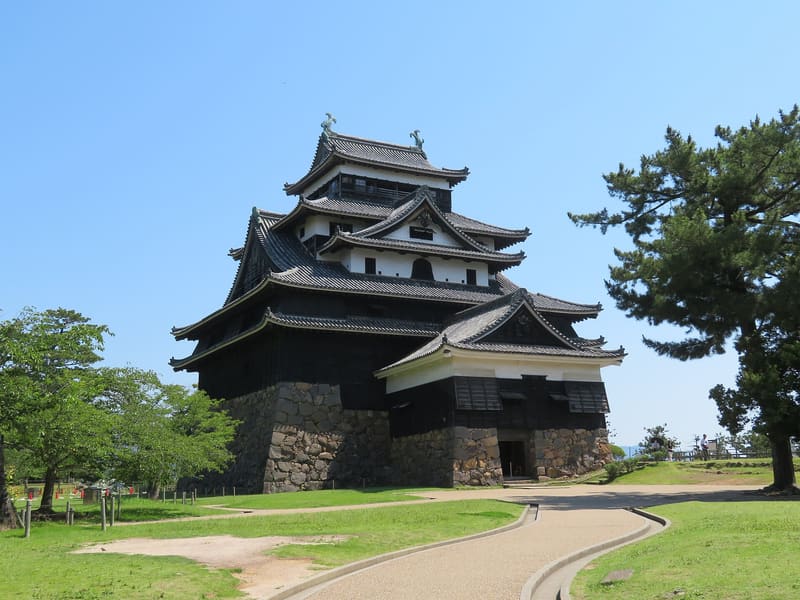
Its shachihoko, the largest of any Japanese castle, is almost 2 metres tall.
Built between 1607 and 1611 by Horio Yoshiharu and his son Tadauji on a hill overlooking Lake Shinji, the tenshu has five storeys inside, four outside and a basement, and is one of only twelve Japanese castles with their original wooden keep. The roof is watched over by a shachihoko (the legendary creature with a tiger's head and a fish's body that protects Japanese roofs from fire), the largest among surviving castles, about two metres of carved wood. In July 2015 it became a National Treasure, the first new designation in sixty-three years, and the fifth castle in the category.
It was the seat of the Matsue domain for two and a half centuries. The ninomaru, with its garden and reconstructed buildings, is free to enter; there is a fee to visit the tenshu. Major maintenance work (Reiwa Renovation) is planned between 2027 and 2030: if you visit in those years, you would do well to check its status before planning the climb to the tenshu.
ℹ️ Tenshu open 8:30–18:00 (April–September) or 8:30–17:00 (October–March), last entry half an hour before closing. Adult ticket 1,200 yen (600 yen for Matsue residents), free up to junior high. 5–10 minutes by bus from JR Matsue or from Matsue Shinjiko-onsen Station on the Ichibata line.
🚉 Matsue-Shinjiko-Onsen · 17 min walk
Holidays in Japan? Plan them with us.Over 2,000 real places, a day-by-day itinerary.FreeOpen the map →Sources: matsue-castle.jp · ja.wikipedia.org · matsue-castle.jp
Nearby
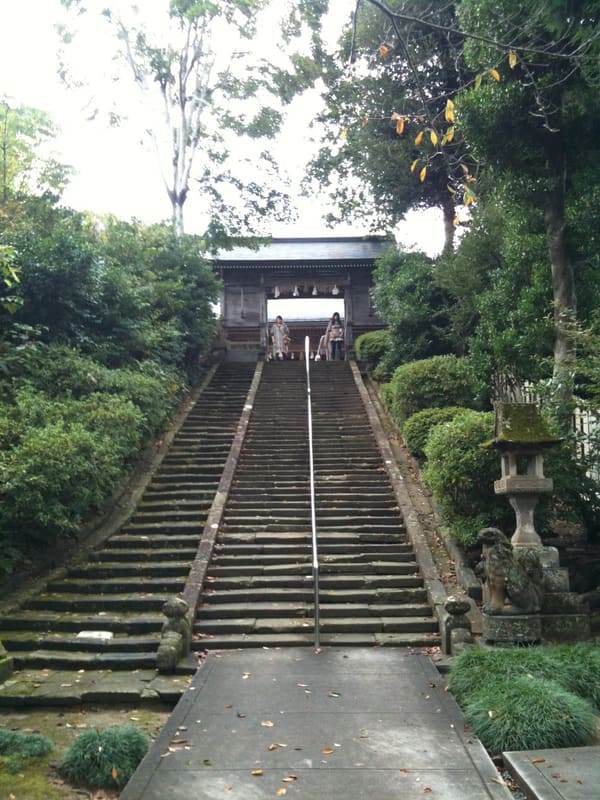 Jōzan Inari Jinja — Horan Enya300 m
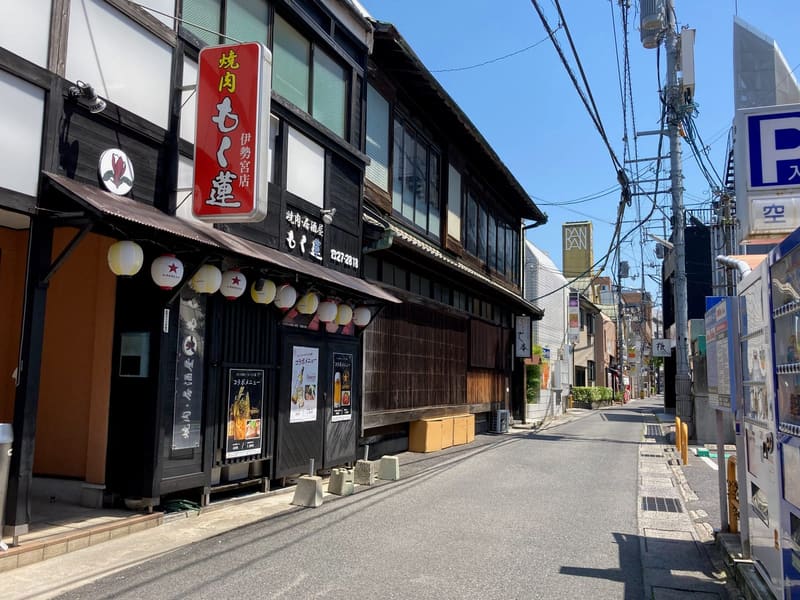 Isemiya1.3 km
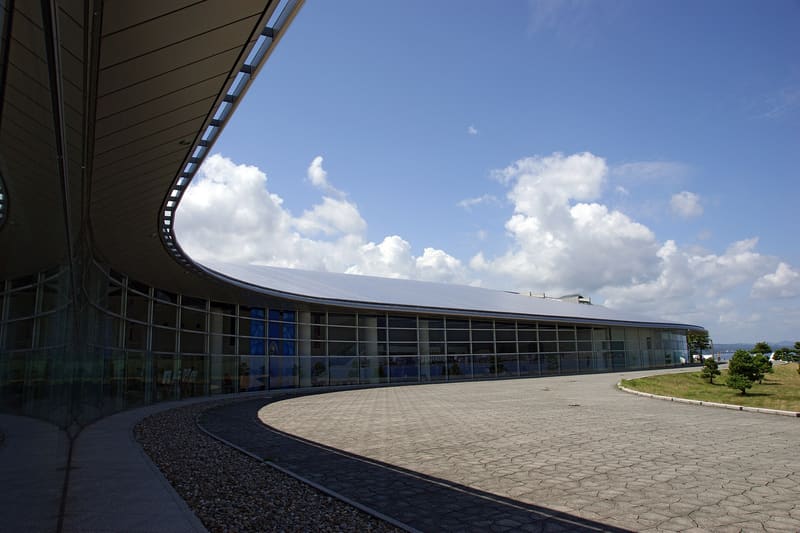 Shimane Art Museum1.7 kmphoto by 663highland · CC BY 2.5
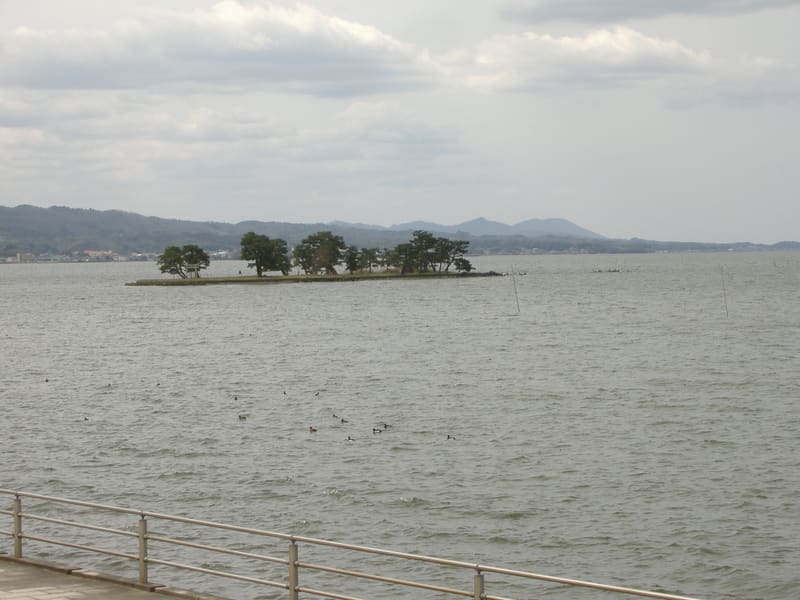 Yomegashima, Lake Shinji2.1 kmphoto by 妖精書士 ( talk ) · Public domain