
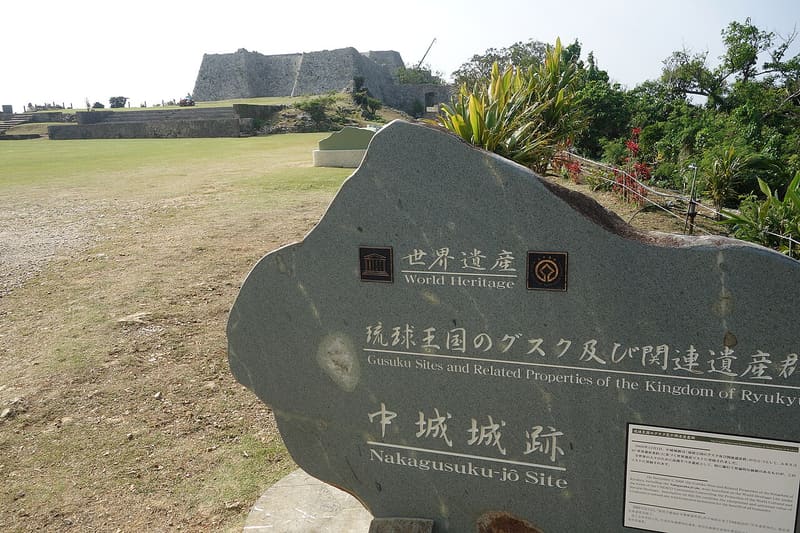
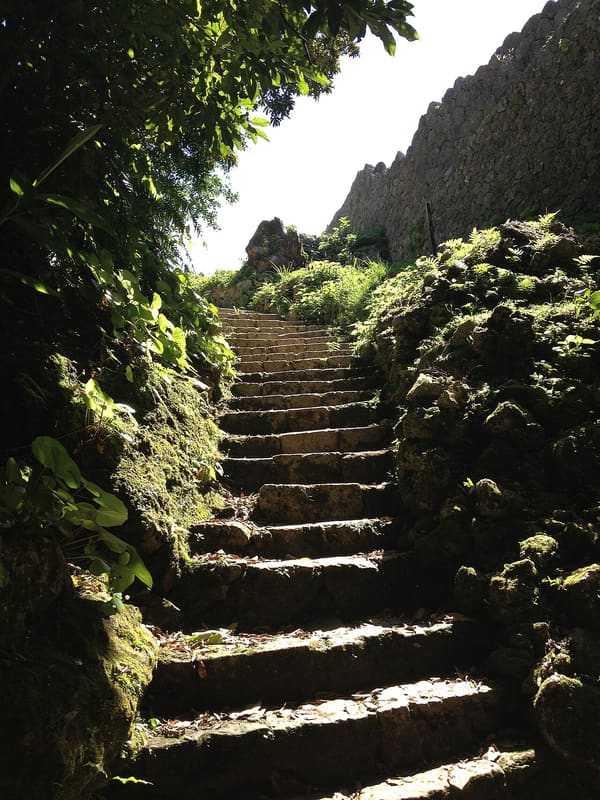
In 1853 Perry had it surveyed, and in his journal he wrote that those walls deserved praise.
It is the best preserved of the gusuku, the stone castles of the Ryukyu kingdom (independent until 1879), which have no wooden towers but curved walls that follow the ridge. Here the walls read like a textbook: in the south and west enclosures they are laid in regular courses (nunozumi), in the third enclosure and the north enclosure in interlocking blocks like a mosaic (aikatazumi), and in some stretches in stones left rough. Three different techniques in one place, and you can tell them apart by eye as you walk.
Built in stages between the fourteenth and fifteenth centuries and enlarged by the lord Gosamaru, who held it until he was attacked by the lord of Katsuren in 1458. In 1853 the expedition of the American commodore Matthew Perry surveyed it and published its measurements in the account of the voyage: the limestone and the workmanship of the masonry are described as worthy of praise. It is the gusuku that lost the least of all in the battle of 1945.
ℹ️ Admission 500 yen for adults since the April 2025 revision (400 for groups of twenty or more), 300 for junior high and high school, 200 for elementary school. Entry accepted 8:30–17:00, extended to 18:00 from May to September; it closes half an hour later. The ground is sloping and the cobbles are uneven.
🚉 Nakagusuku-Jo Site · 9 min walk
Holidays in Japan? Plan them with us.Over 2,000 real places, a day-by-day itinerary.FreeOpen the map →Sources: nakagusuku-jo.jp · nakagusuku-jo.jp · vill.nakagusuku.okinawa.jp · okinawastory.jp
Nearby
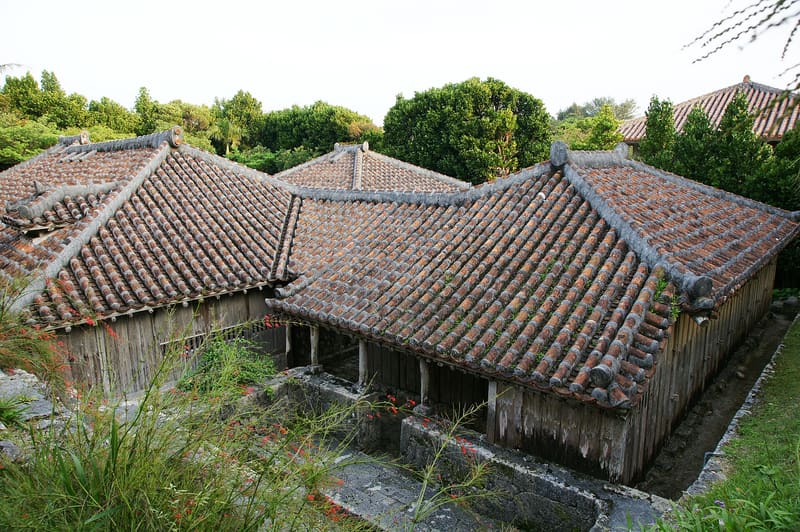 Nakamura House700 mphoto by 663highland · CC BY 2.5
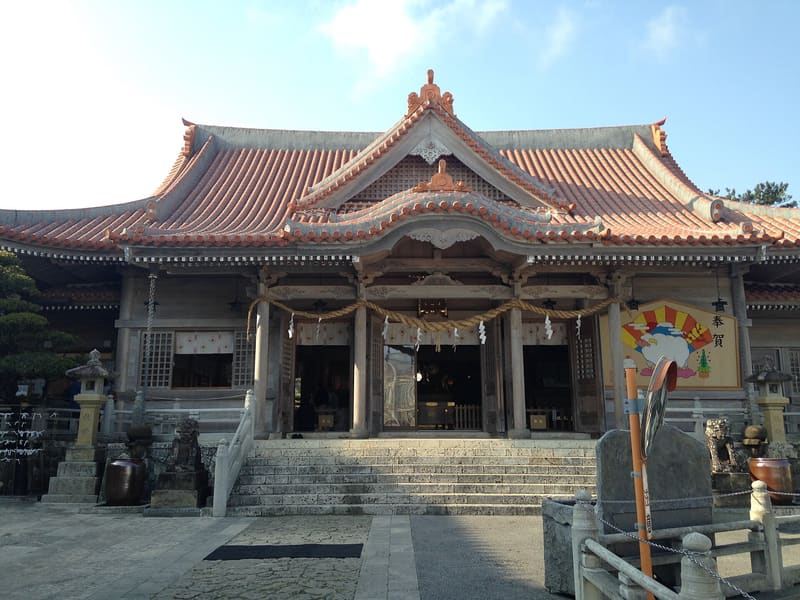 Futenma-gū and its cave2.6 kmphoto by そらみみ · CC BY-SA 4.0
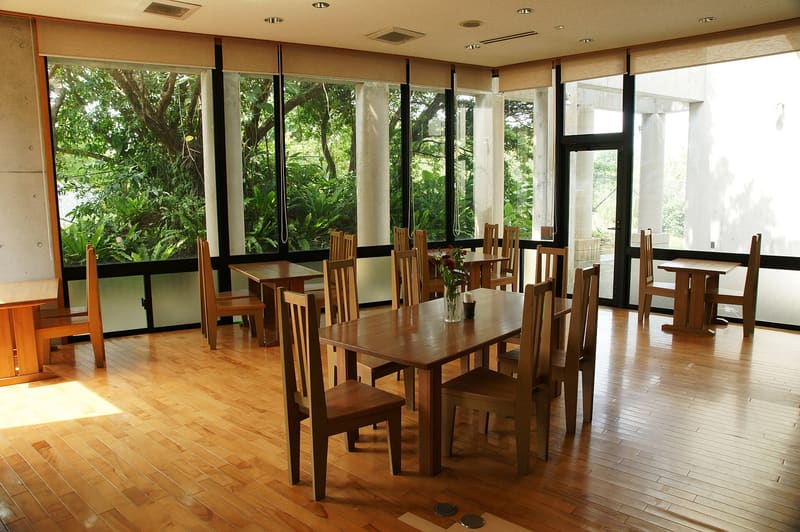 Sakima Art Museum2.7 kmphoto by 663highland · CC BY 2.5
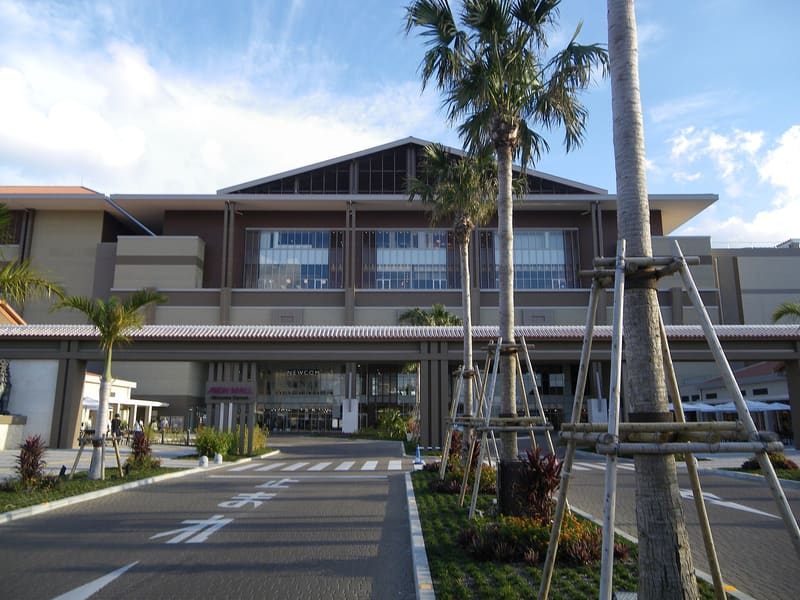 AEON Mall Okinawa Rycom3.4 kmphoto by Kugel~commonswiki · CC BY-SA 4.0