
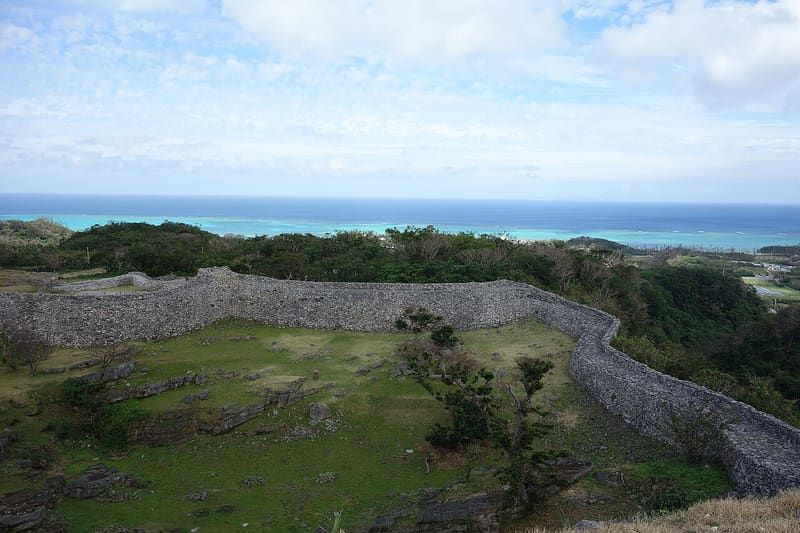
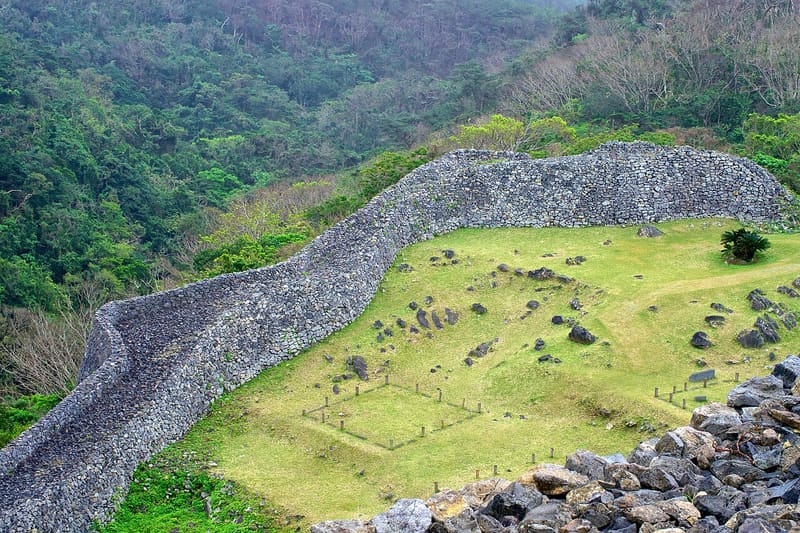
Japan's first cherry trees bloom here, in January, and they are deep pink.
The Okinawa cherry is not the one found in the rest of Japan: it is the kanhizakura, whose flowers are a deep, almost fuchsia pink and which blooms while elsewhere it is still winter. The buds swell from January, and along the climb to the castle they bloom in their hundreds. On the evenings of the festival the walls are lit up and the entrance path is marked out with candles. The curtain wall is not squared off as in Japanese castles: it follows the ridge in long curves, and it is the oldest of the great walls of the Ryukyu, the independent kingdom that the island was until 1879.
It was the capital of the kingdom of Hokuzan, one of the three into which Okinawa was divided before unification, and it fell in 1416 when the king of Chuzan conquered it. It stands on a headland in the north of the island, far from the other gusuku (the stone castles of the kingdom), and that very distance from the centre of power explains why it was there: it watched over trade with the continent. It remains one of the places of prayer for the descendants, and the areas of worship within the walls are still in use.
ℹ️ Admission 600 yen for adults, 450 for junior high and high school, free up to elementary school. Open 8:00–18:00 from January to April and from September to December, with last entry at 17:30. The climb is on stone and sloping. ⚠️ In the summer months the opening hours change and have not been checked: if you go between May and August, check them.
🚉 今帰仁城跡 · 3 min walk
Holidays in Japan? Plan them with us.Over 2,000 real places, a day-by-day itinerary.FreeOpen the map →Sources: nakijinjoseki.jp · nakijin.jp · okinawastory.jp · okinawastory.jp
Nearby
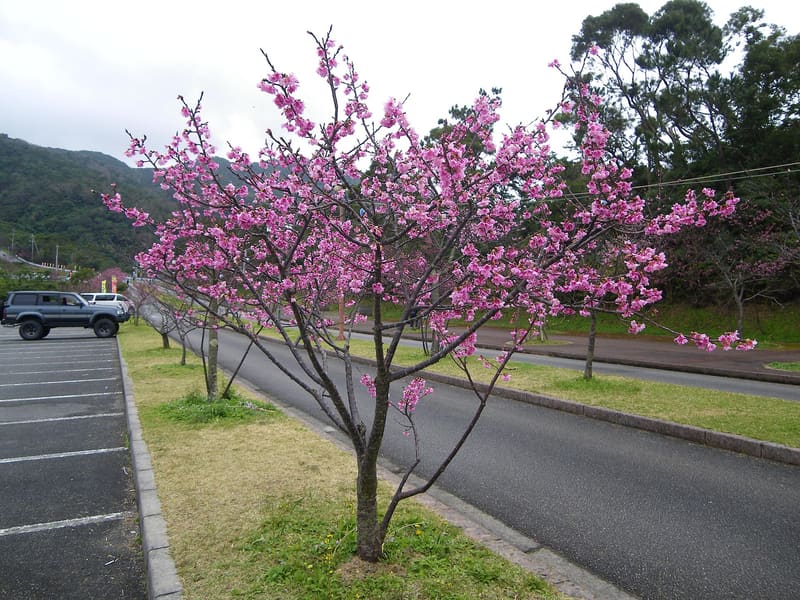 Yaedake Cherry Tree Forest4.6 kmphoto by Kugel~commonswiki · CC BY-SA 4.0
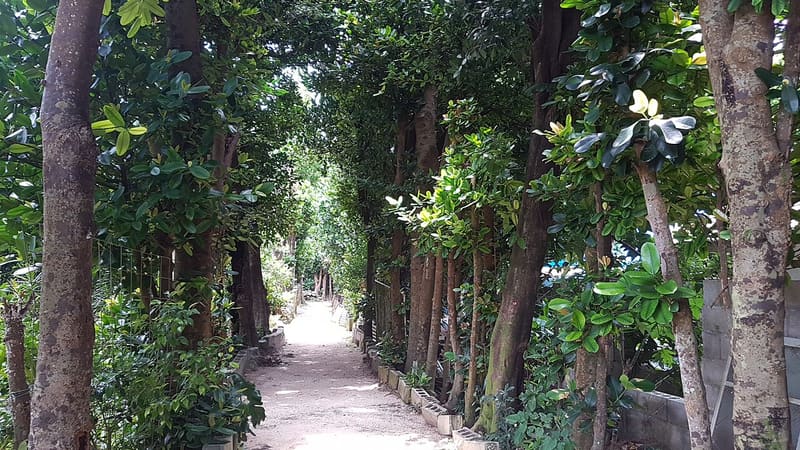 Bise fukugi avenue5.1 kmphoto by Mokkie · CC BY-SA 3.0
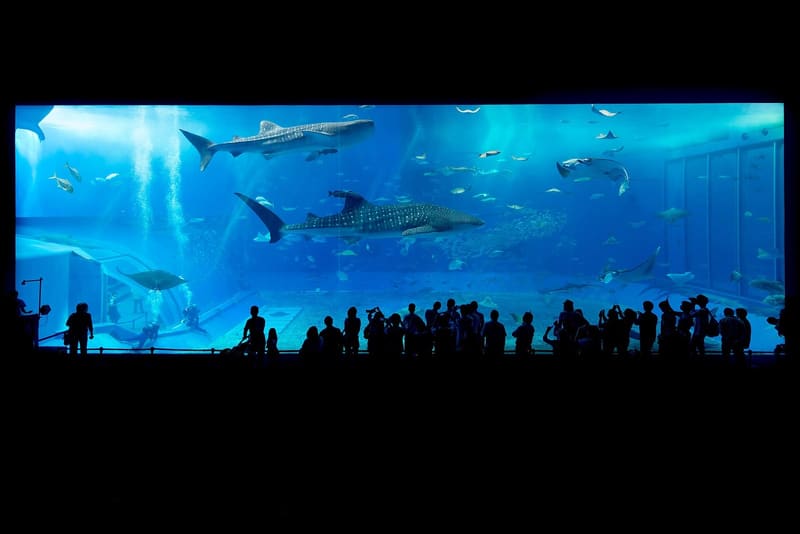 Okinawa Churaumi Aquarium5.2 kmphoto by Jordy Meow · CC BY-SA 3.0
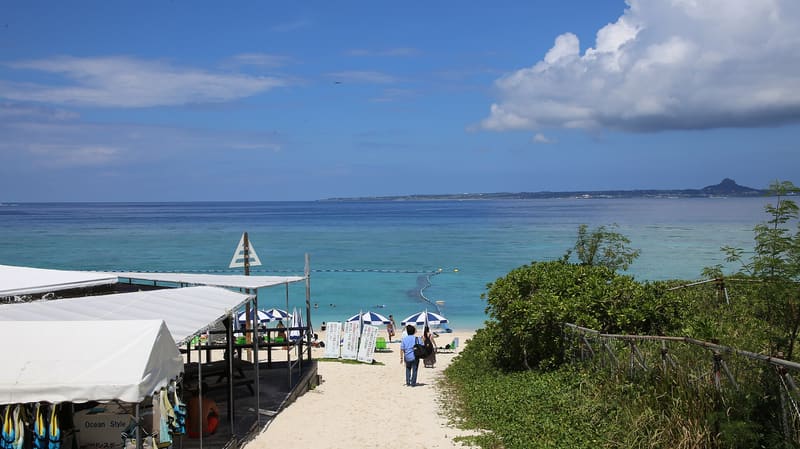 Sesoko Beach8.6 kmphoto by へいへ · CC BY-SA 4.0