The Anime Trip
🌐 EN ▾
ItalianoEnglish繁體中文(台灣)繁體中文(香港)日本語
PLAN YOUR TRIPMy tripSign in / Sign upSign in / Sign up

Aichi

Futaba-kan, the house of Kawakami Sadayakko

文化のみち二葉館

Open on the mapwith over 1,800 wonders of Japan

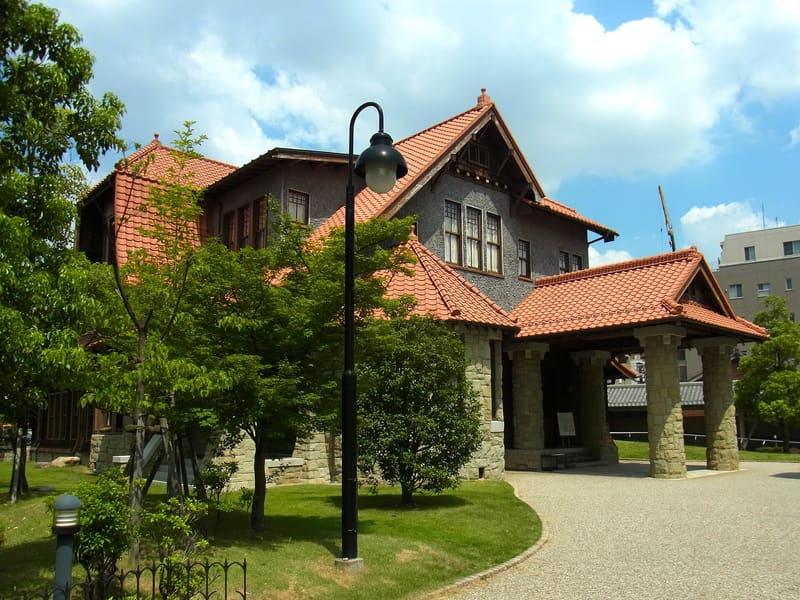
Futaba-kan, the house of Kawakami Sadayakko (文化のみち二葉館)
photo by Bariston · CC BY-SA 3.0
Futaba-kan, the house of Kawakami Sadayakko (文化のみち二葉館)
photo by Mizu19641109 · CC BY-SA 4.0

The house of Japan's first actress, taken apart, moved and put back up: 200 yen.

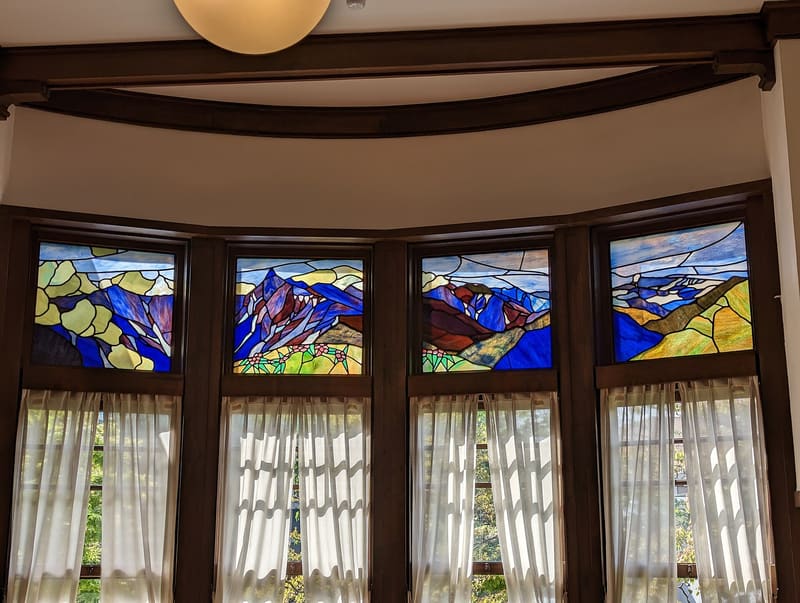
In the ground-floor drawing room the light comes through the original stained glass, which was taken out and put back in place along with the rest of the house. Here, from 1920, lived an actress and an electricity industrialist. Upstairs, four rooms tell the story of the writers connected with Nagoya, and their desks and papers are what remain of them.

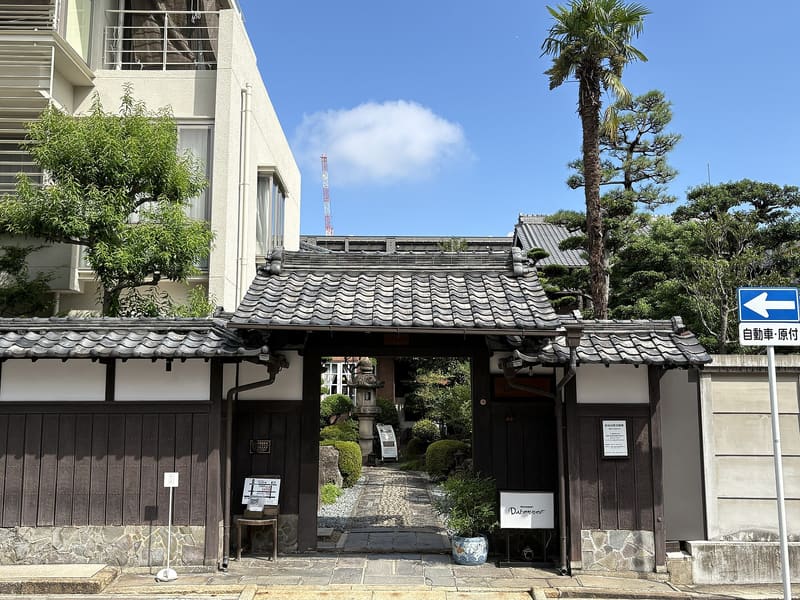
Kawakami Sadayakko is considered the first professional actress of modern Japan, in a theatre where until then the female roles had been played by men. From 1920 she lived in this house for some five years with Fukuzawa Momosuke, the businessman who built the hydroelectric power stations on the Kiso River and who was known as ‘the king of electricity’. The house mixes a Japanese floor plan with Western details; it is built of wood, with parts in reinforced concrete, two storeys, almost seven hundred square metres. It stood in another part of the same neighbourhood, where it was called ‘the Futaba palace’: it was dismantled piece by piece, reassembled here and opened to the public on 8 February 2005. The name comes from that nickname and also from the idea that culture sprouts like a pair of new little leaves, which in Japanese are called futaba.

ℹ️ Open from 10:00 to 17:00, closed on Mondays (if it is a public holiday, the first weekday after) and between 29 December and 3 January. Admission 200 yen, 160 for groups of twenty people, free below junior high school age; with 320 yen you can also enter the Shumokukan, which is a few minutes' walk away in the same neighbourhood, and with 800 yen you get the annual pass. ⚠️ The museum has announced that prices change from 1 October 2026, and the new amount has not yet been published: the 200 yen applies until that date. Part of the building is rented out for meetings until 20:30, so some rooms may be in use. The Meguru sightseeing bus stop is right in front.

🚉 Takaoka · 11 min walk

Holidays in Japan? Plan them with us.Over 2,000 real places, a day-by-day itinerary.FreeOpen the map →

Sources: futabakan.jp · futabakan.jp · city.nagoya.jp

Nearby
All series · Open the map

Futaba-kan, the house of Kawakami Sadayakko (文化のみち二葉館)
Open on the mapwith over 1,800 wonders of Japan
Futaba-kan, the house of Kawakami Sadayakko (文化のみち二葉館)
photo by Bariston · CC BY-SA 3.0
Futaba-kan, the house of Kawakami Sadayakko (文化のみち二葉館)
photo by Mizu19641109 · CC BY-SA 4.0

The house of Japan's first actress, taken apart, moved and put back up: 200 yen.

In the ground-floor drawing room the light comes through the original stained glass, which was taken out and put back in place along with the rest of the house. Here, from 1920, lived an actress and an electricity industrialist. Upstairs, four rooms tell the story of the writers connected with Nagoya, and their desks and papers are what remain of them.

Kawakami Sadayakko is considered the first professional actress of modern Japan, in a theatre where until then the female roles had been played by men. From 1920 she lived in this house for some five years with Fukuzawa Momosuke, the businessman who built the hydroelectric power stations on the Kiso River and who was known as ‘the king of electricity’. The house mixes a Japanese floor plan with Western details; it is built of wood, with parts in reinforced concrete, two storeys, almost seven hundred square metres. It stood in another part of the same neighbourhood, where it was called ‘the Futaba palace’: it was dismantled piece by piece, reassembled here and opened to the public on 8 February 2005. The name comes from that nickname and also from the idea that culture sprouts like a pair of new little leaves, which in Japanese are called futaba.

ℹ️ Open from 10:00 to 17:00, closed on Mondays (if it is a public holiday, the first weekday after) and between 29 December and 3 January. Admission 200 yen, 160 for groups of twenty people, free below junior high school age; with 320 yen you can also enter the Shumokukan, which is a few minutes' walk away in the same neighbourhood, and with 800 yen you get the annual pass. ⚠️ The museum has announced that prices change from 1 October 2026, and the new amount has not yet been published: the 200 yen applies until that date. Part of the building is rented out for meetings until 20:30, so some rooms may be in use. The Meguru sightseeing bus stop is right in front.

🚉 Takaoka · 11 min walk

Holidays in Japan? Plan them with us.Over 2,000 real places, a day-by-day itinerary.FreeOpen the map →

Sources: futabakan.jp · futabakan.jp · city.nagoya.jp

Nearby