
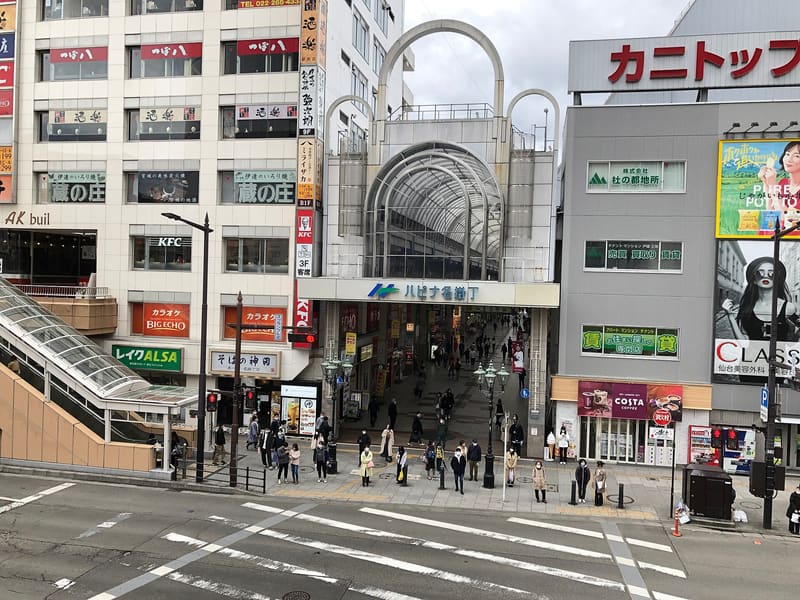
In 1896 the poet Shimazaki Tōson stayed here and wrote much of Wakanashū.
The name comes from the samurai of the Onamegake group, Date Masamune's escort, who had their lodgings here in the Edo period: from 御名懸組 (Onamegake-gumi) to ‘Namegake-chō’, then ‘Nakakechō’. Today's arcade (granite paving, semi-transparent roof) is the third, finished in 1993, when the street took the nickname ‘Hapina’. In 1896 the poet Shimazaki Tōson stayed here at the Miuraya inn, writing much of the collection Wakanashū.
A covered arcade about 290 metres long, five minutes' walk from the west exit of Sendai Station.
🚉 Aoba-dōri · 3 min walk
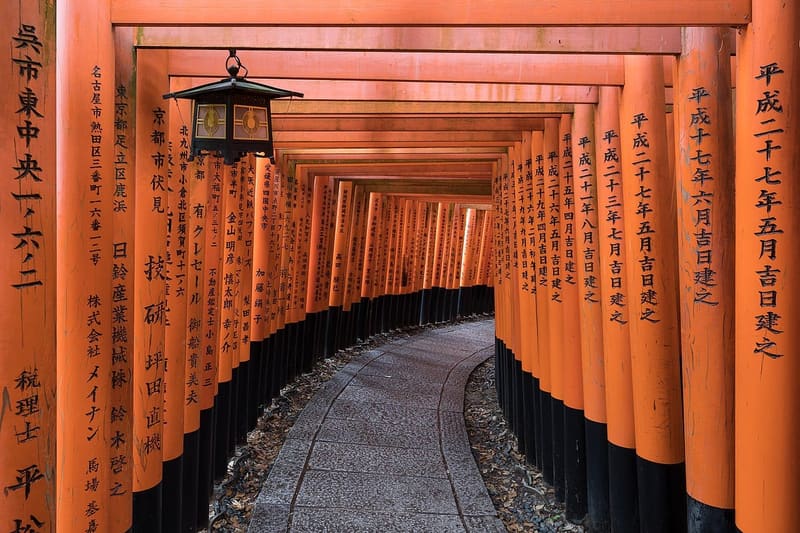 Multi-day guide · freeFrom Shibuya to the Culling GameAn eight-day journey in the footsteps of Jujutsu Kaisen passes through here, from Tokyo to Sendai and on to the torii of Kyoto.Open the guide →Holidays in Japan? Plan them with us.Over 2,000 real places, a day-by-day itinerary.FreeOpen the map →
Jujutsu Kaisen
It is the street where Yuta Okkotsu and Toge Inumaki exorcise a curse, in ‘Jujutsu Kaisen 0’. In the film the arcade has its shutters down; on site it is a very lively shopping street. Not far away, on the Marble Road Ōmachi arcade, the Matsumoto Kiyoshi shop where Inumaki does his shopping has been renovated and is no longer recognisable.
Sources: anitabi.jp · note.com · nakakecho.jp · sendaitanabata.com
Nearby
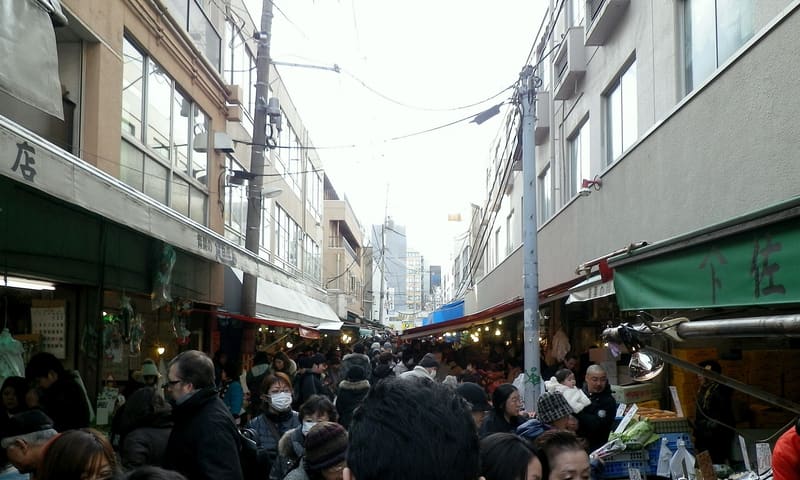 Sendai Morning Market400 mphoto by Neuropower · CC BY-SA 3.0
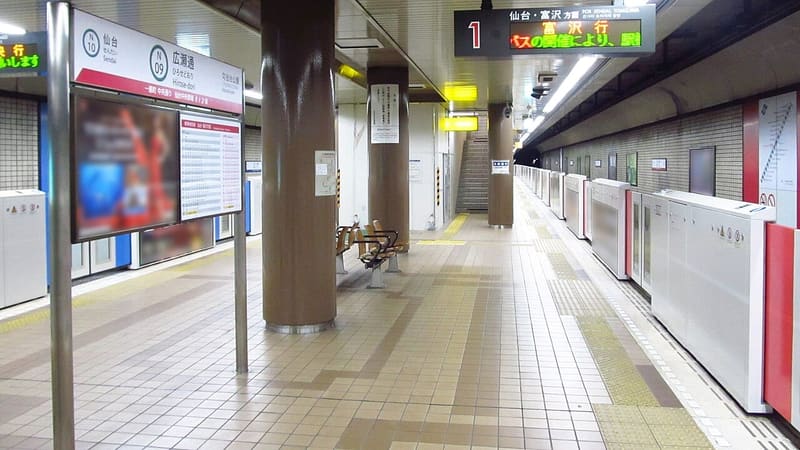 Hirose-dori600 mphoto by LERK · CC BY-SA 4.0
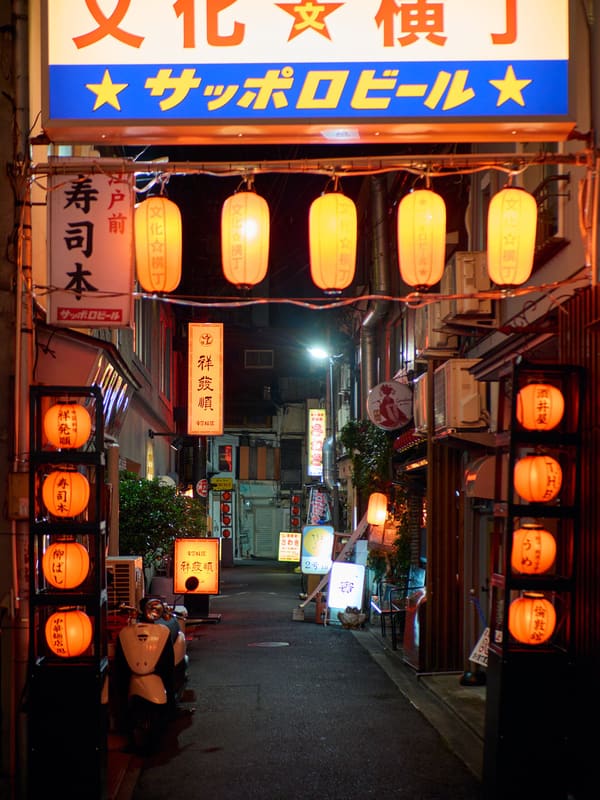 Bunka Yokochō700 mphoto by lumoplank · CC0
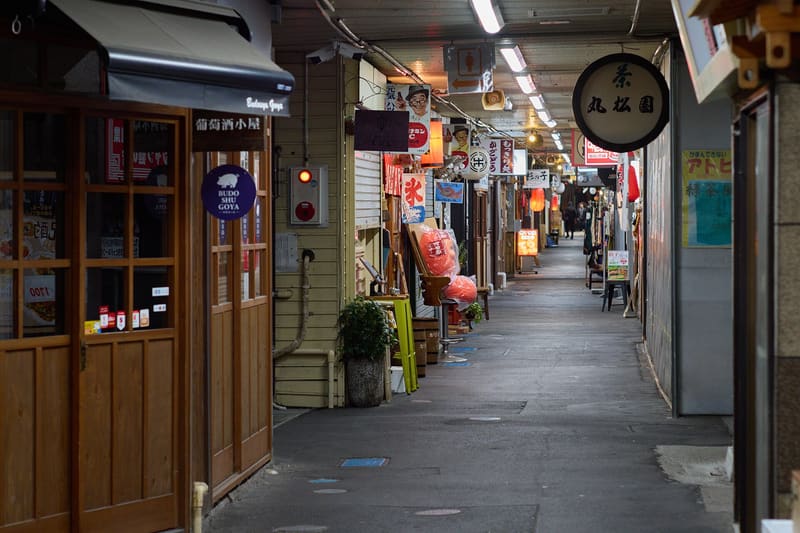 Iroha Yokochō700 mphoto by lumoplank · CC0