
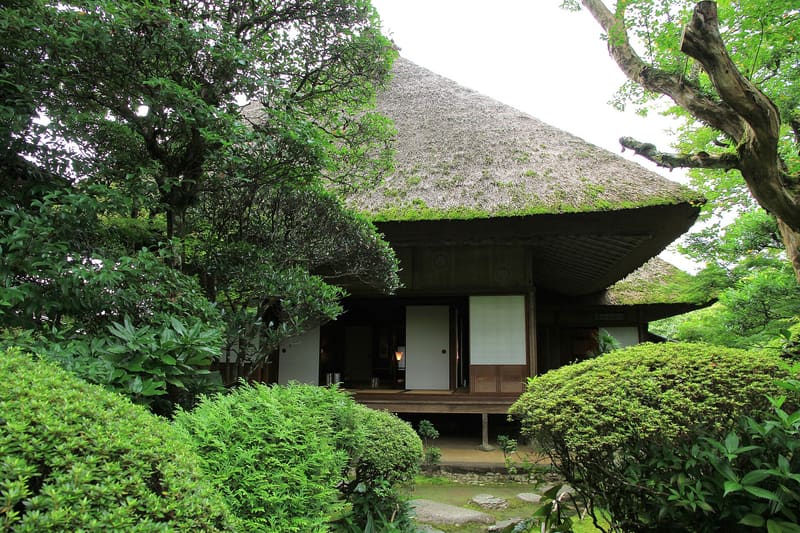
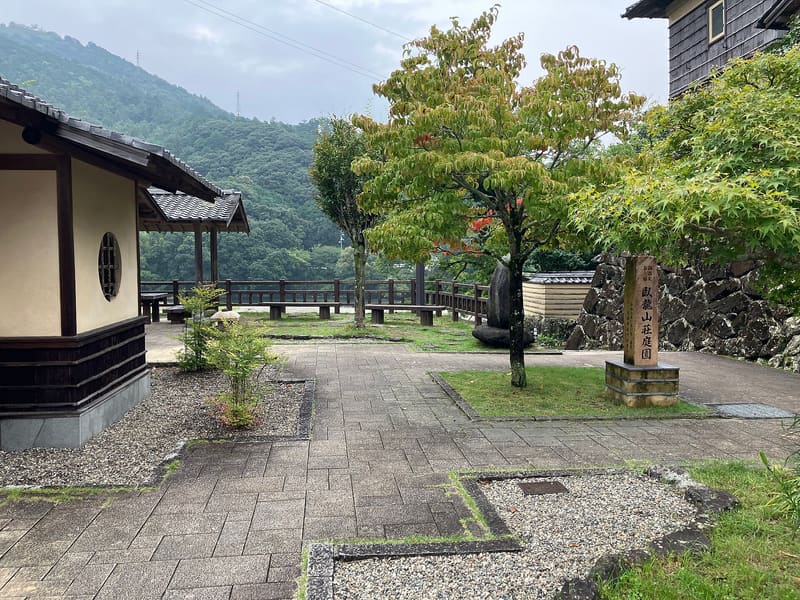
Ten years and nine thousand workers for a villa paid for by the trade in vegetable wax.
A villa built on the bank of the Hiji River by Kōchi Torajirō, a merchant who had grown rich exporting vegetable wax and who in 1897 called in a tea-house architect from Kyoto and a master builder from Ōzu's castle-building tradition: ten years of design, four of construction and about 9,000 workers brought it to completion in 1907. The three main buildings, Furōan (1901), Garyūin (1907) and Bunko, were designated a national Important Cultural Property in 2016 for their extremely original sukiya architecture, inspired by buildings such as Katsura Imperial Villa. ⚠️ Some secondary sources also mention a Place of Scenic Beauty (名勝) designation for the garden: this is not confirmed on the official Ōzu municipal page that was consulted.
A villa with a garden in the municipality of Ōzu, about 1.6 km from Iyo-Ōzu Station.
ℹ️ Open 9:00–17:00 all year round, last entry 16:30, with no weekly closing day. Ticket price to be checked on the official website.
🚉 Nishi-Ōzu · 30 min walk
Holidays in Japan? Plan them with us.Over 2,000 real places, a day-by-day itinerary.FreeOpen the map →Sources: garyusanso.jp · city.ozu.ehime.jp
Nearby
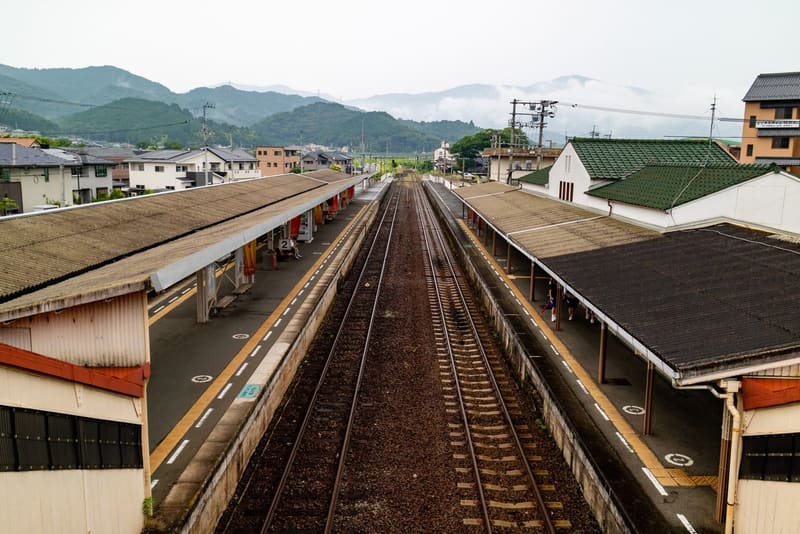 Iyo-Ōzu Station1.4 kmphoto by 東京特許許可局 · CC BY-SA 4.0
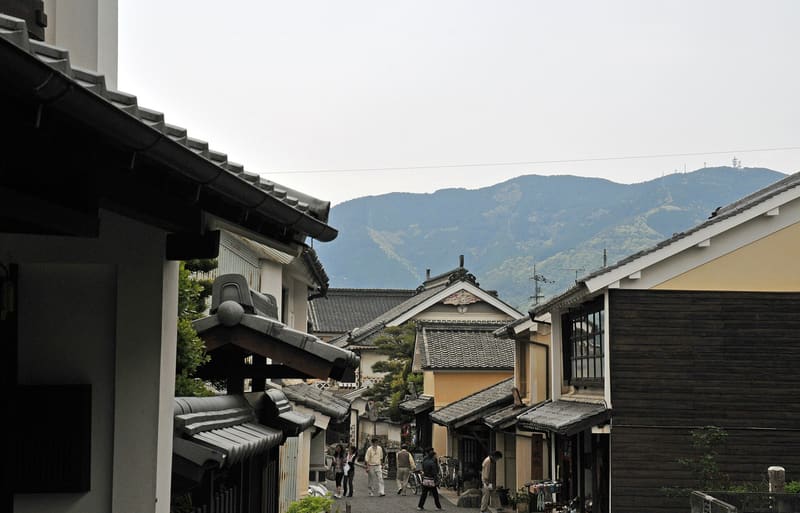 Uchiko historic district — Yōkaichi Gokoku11.3 kmphoto by Reggaeman · CC BY-SA 3.0
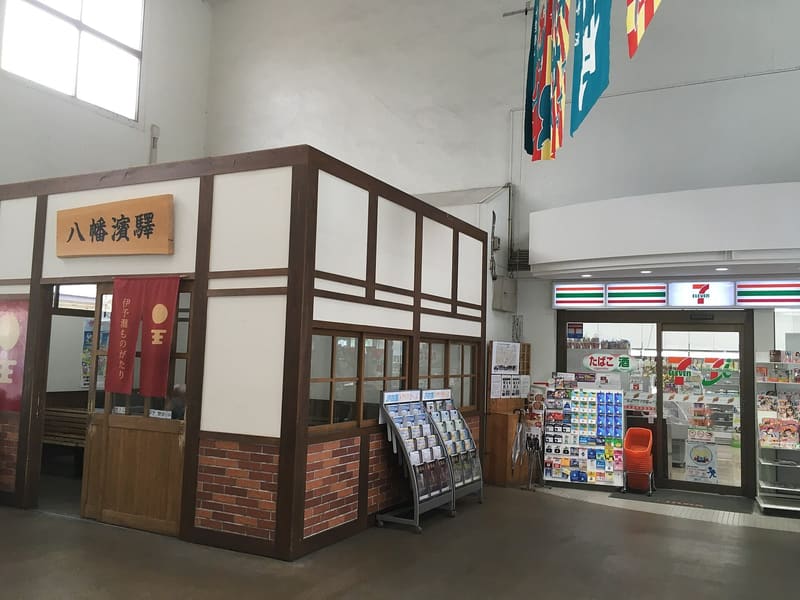 Yawatahama Station11.9 kmphoto by Higa4 · CC0
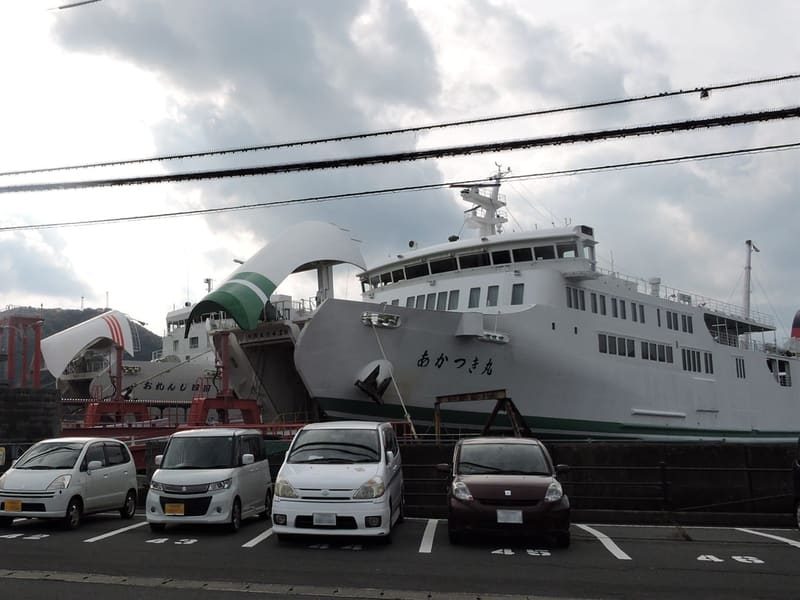 Yawatahama Port13.3 kmphoto by Yawatahamangcc2016 · CC BY-SA 4.0