
In 2025 it became the first site of the modern era to be designated a Special Historic Site.
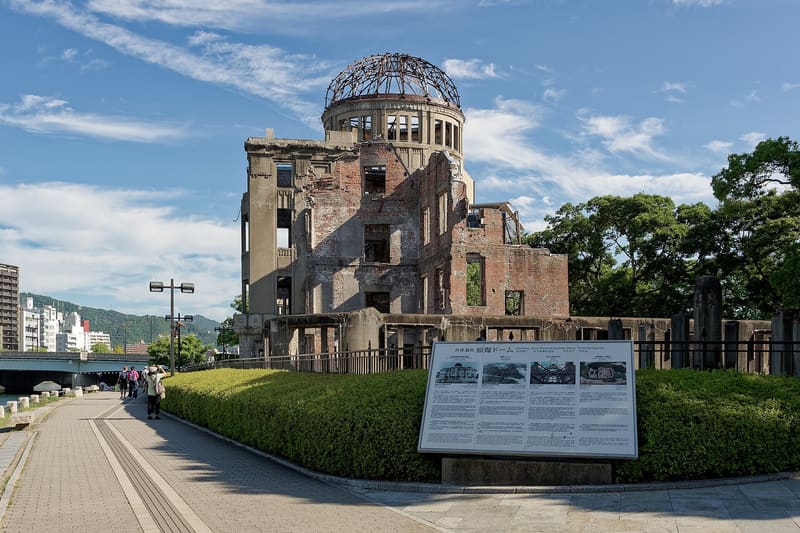
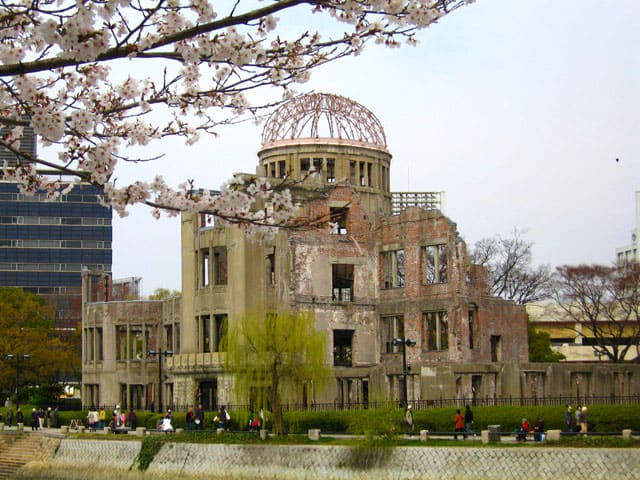
The skeleton of the central dome was left standing when the rest of the three-storey structure collapsed in less than a second, on 6 August 1945 at 8:15, about 160 metres from the hypocentre: today you see it from the park, on the bank of the Motoyasu River, but you cannot go inside.
A ruin preserved at the northern end of the Peace Memorial Park, on the bank of the Motoyasu River. It was built in 1915 as the Hiroshima Prefectural Industrial Promotion Hall, designed by the Czech architect Jan Letzel. Initially destined for demolition, it was saved by a campaign that grew out of the diary of Kajiyama Hiroko (exposed to the bomb at the age of one, 1.3 km from the hypocentre, she died of leukaemia in 1960 at sixteen), who had written in it: ‘only that pitiful building will go on for ever telling the world about the atomic bomb’; the children's group ‘Hiroshima Orizuru no Kai’ took up her appeal, leading to the conservation work of 1967. A UNESCO World Heritage Site since 1996, on 18 September 2025 it became the first Japanese site from the Meiji era or later to be designated a Special Historic Site (特別史跡), the highest level of protection for the country's cultural properties.
ℹ️ Visible from the surrounding park at any time, with no admission and no ticket; you cannot go inside the structure.
🚉 Hondōri · 7 min walk
Holidays in Japan? Plan them with us.Over 2,000 real places, a day-by-day itinerary.FreeOpen the map →Sources: ja.wikipedia.org · hiroshimapeacemedia.jp · hiroshimapeacemedia.jp
Nearby
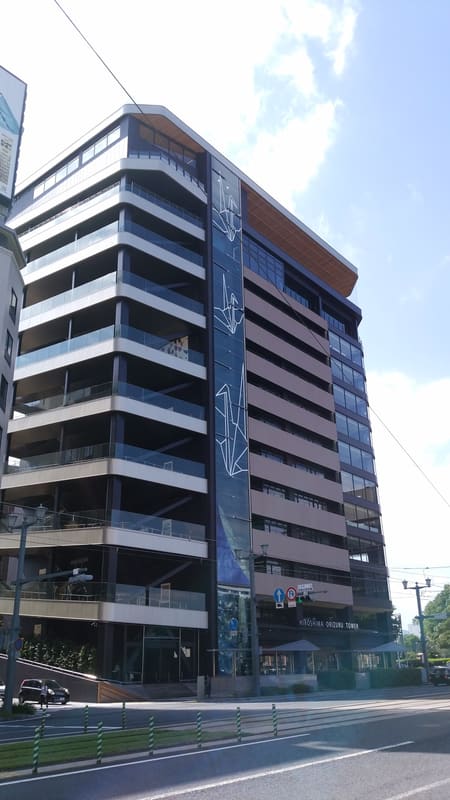 Orizuru Tower100 mphoto by Taisyo · CC BY 3.0
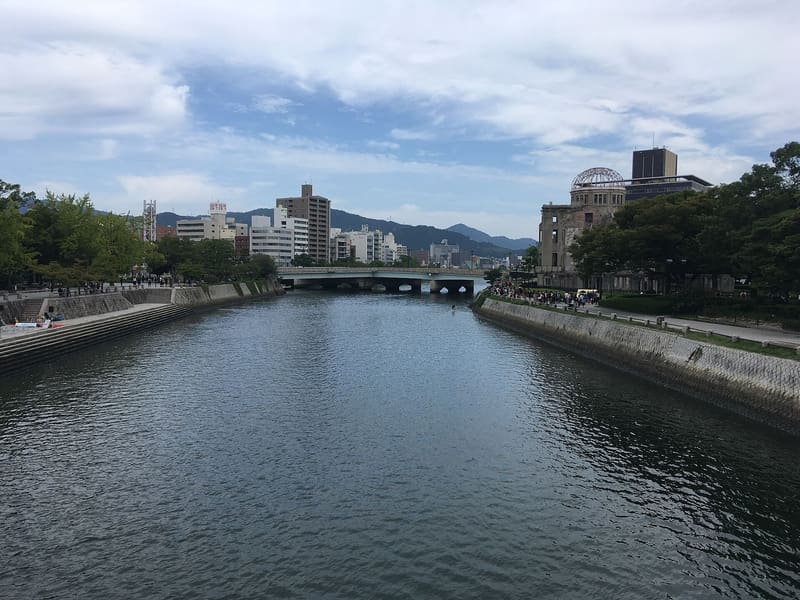 Aioi Bridge100 mphoto by Christophe95 · CC BY-SA 4.0
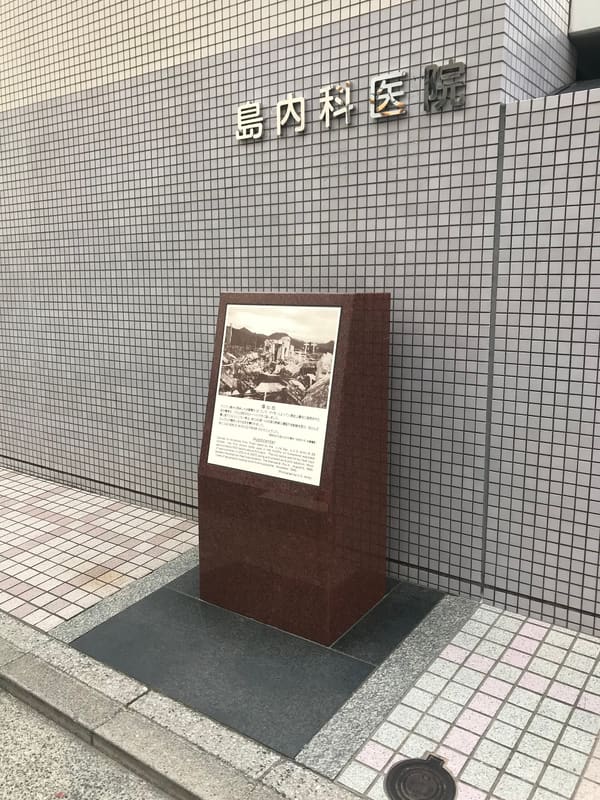 Hypocentre100 mphoto by そらみみ · CC BY-SA 4.0
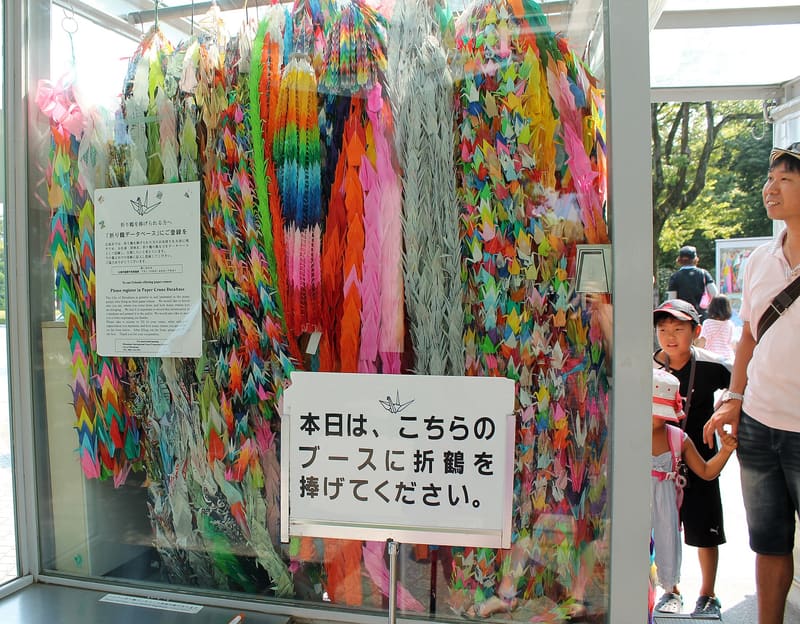 Children's Peace Monument200 mphoto by Sarah Stierch · CC BY 4.0