
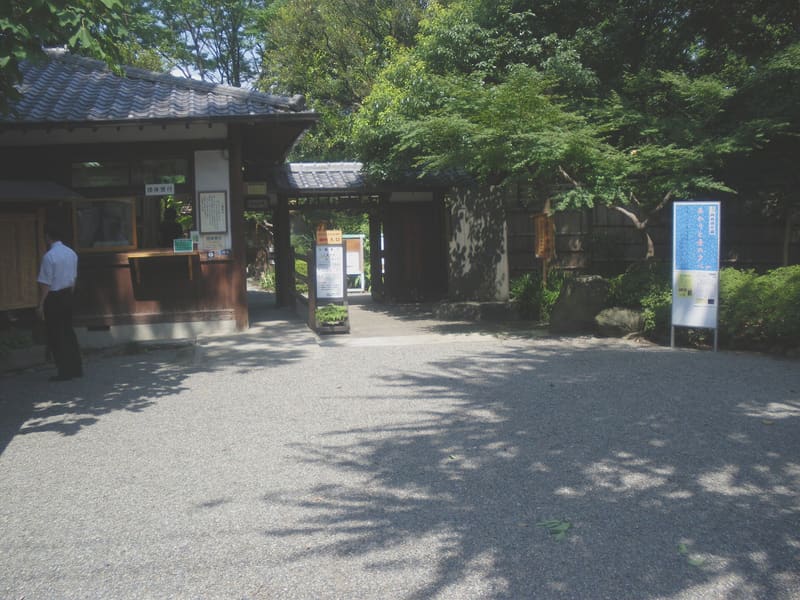
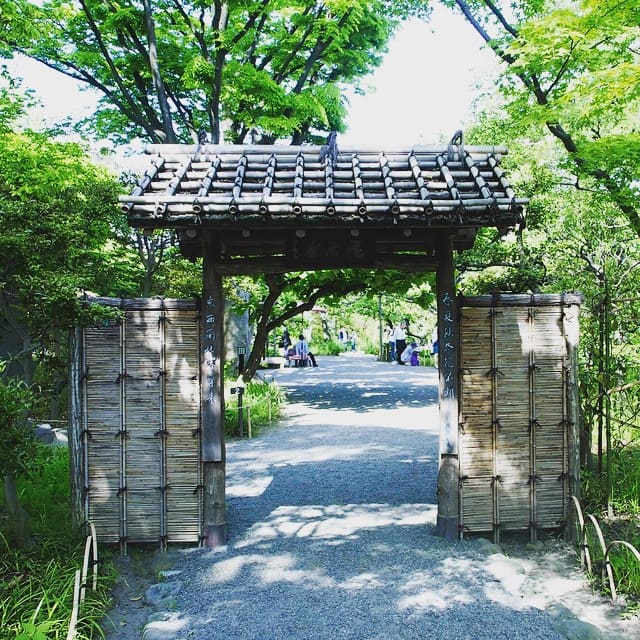
An Edo-period flower garden, the only one in Tokyo: from the original 360 plum trees to 230 species today
The garden was created between 1804 and 1830, when the antique dealer Sahara Kikuu planted it around 360 plum trees: it is the only flower garden (not the garden of a daimyō, a feudal lord) to survive in Tokyo from the Edo period. Today about 230 species of herbaceous plants take turns with the seasons, and at the end of summer a 30-metre ‘tunnel’ of lespedeza (萩, hagi, an autumn shrub) opens the season of the ‘萩まつり’.
Created by the antique dealer Sahara Kikuu in the Bunka-Bunsei period (1804–1830) as a private flower garden, opened to the public for a fee by the City of Tokyo from July 1939, and protected as a national Place of Scenic Beauty and Historic Site since 1978. On the name ‘Hyakkaen’ (‘garden of a hundred blooms’) the official page gives two versions, without choosing between them: it comes either from the saying that ‘the plum blossoms before the hundred flowers’, or from the sense of ‘a garden where the flowers of the four seasons bloom in disorder’.
ℹ️ Open 9:00–17:00 (last entry 16:30), closed from 29 December to 3 January. Entry 150 yen, 70 for over-65s, free for elementary school pupils and for junior high pupils who live or study in Tokyo; free entry also on 4 May and 1 October. A free guided tour of the garden (in Japanese) starts on Saturdays and Sundays at 11:00 and 14:00. 8 minutes on foot from Higashi-Mukōjima Station (Tōbu Skytree Line), 13 from Keisei-Hikifune; no car park.
🚉 Higashi-mukojima · 6 min walk
Holidays in Japan? Plan them with us.Over 2,000 real places, a day-by-day itinerary.FreeOpen the map →Sources: tokyo-park.or.jp · tokyo-park.or.jp
Nearby
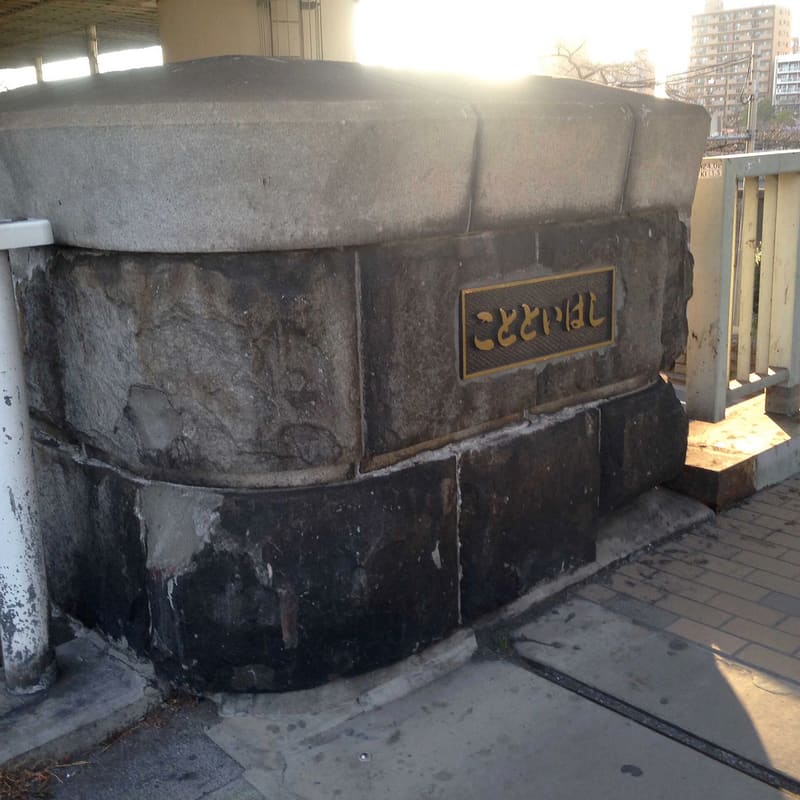 Kototoi Bridge1.5 kmphoto by Tokyo rose 1943 · CC BY-SA 3.0
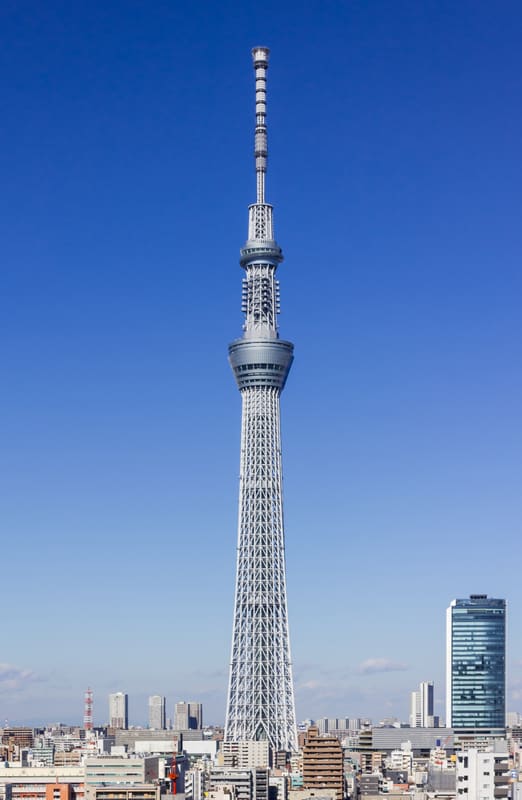 Tokyo Skytree1.6 kmphoto by Kakidai · CC BY-SA 3.0
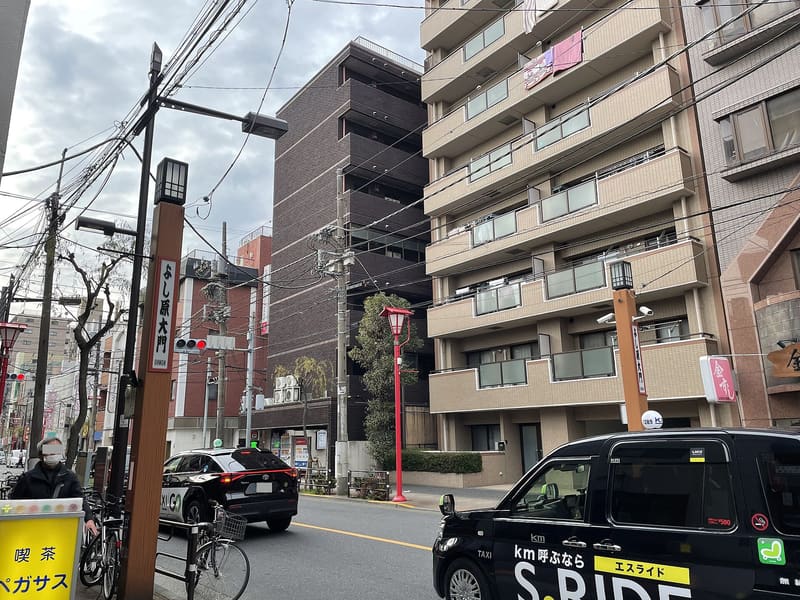 Site of the Yoshiwara Gate1.6 kmphoto by Higa4 · CC0
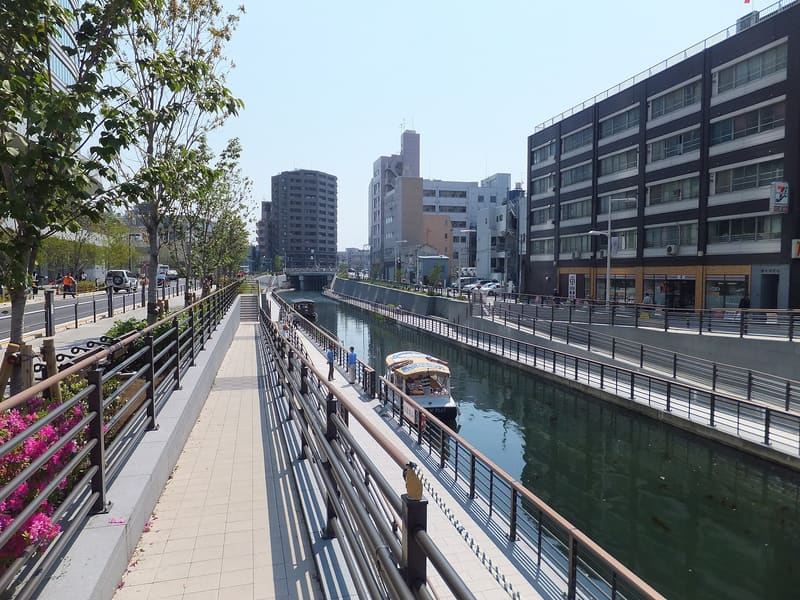 Oshinari-bashi1.6 kmphoto by 掬茶 · CC BY-SA 3.0