
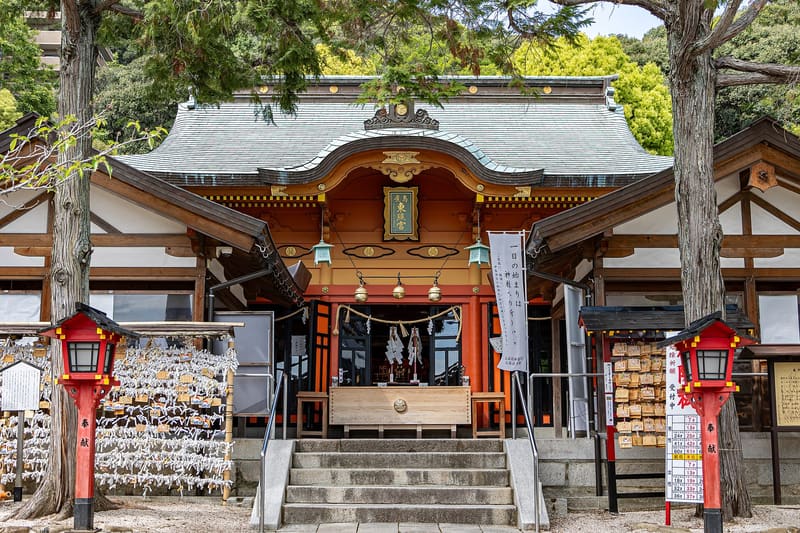
At 2,200 m from the hypocentre the haiden and honden burned: the 1646 gate remained standing.
On both sides of the stairway leading to the karamon gate run 17 lanterns per side (a number chosen for the 17th, the day Tokugawa Ieyasu died), and the steps themselves number 51, that is, 17 times three; the three-leaf hollyhock crest of the Tokugawa recurs on the lanterns, except on one, turned upside down on purpose, to say that nothing that is complete stops growing. Behind the shrine, the Kinkō Inari path climbs through more than 120 vermilion torii and about 500 steps to the subsidiary shrine at the summit.
The second lord of the Hiroshima domain, Asano Mitsuakira, began its construction in 1646 and completed it in July 1648: his mother was the third daughter of Tokugawa Ieyasu, and the shrine came out of the same movement that led dozens of daimyō to build a Tōshōgū of their own after the lord of Okayama, Ikeda Mitsumasa, had led the way in 1645. In 1881, when the lord moved to Tokyo, the neitai (sacred body) went with him; it came back after some citizens of Hiroshima made a formal request to the Asano descendants. During the war, about twenty soldiers of the army signal corps were permanently stationed in the grounds, which were considered at low risk of air raids and for this reason were also designated as a public shelter; precisely because of this confidence, the shrine's treasures were not evacuated elsewhere. On 6 August 1945, about 2,200 metres from the hypocentre, the blast tore off the roofs and knocked down the stone torii; the fire started in the worship hall and spread until it destroyed the main building, but the soldiers managed to stop it before everything burned: the karamon (the 1646 gate), the two side wings, the ablution pavilion, the honjidō, the offerings storehouse, the small side gate, the mikoshi (portable shrine) and the kirin-jishigashira lion heads remained standing, and today they are important tangible cultural properties designated by the city of Hiroshima. In the confusion of that day the shrine took in many injured people; the writer Hara Tamiki, caught by the bomb in his family home in Noborichō, spent the night of 7 August in the open in the grounds with some relatives, and from those notes later wrote the novel ‘Fiori d'estate’ (‘夏の花’). The present worship building was rebuilt in April 1965, for the 350th anniversary of Ieyasu's death; the honden and haiden were rebuilt in 1984. Between 2008 and 2011 the karamon and the wings, tilted by the blast of the bomb, were straightened in a conservation restoration.
ℹ️ Gates open 6:10–19:00 every day, no weekly closing day stated (‘年中無休’); the office for amulets and goshuin is open 9:00–16:00 (hiroshima-toshogu.or.jp/info/gokigan.html). No admission charge: the only paid item is the offering for personal prayers (五千円〜). The Kinkō Inari path is free and has no gate of its own.
🚉 Hiroshima · 10 min walk
Holidays in Japan? Plan them with us.Over 2,000 real places, a day-by-day itinerary.FreeOpen the map →Sources: hiroshima-toshogu.or.jp · hiroshima-toshogu.or.jp · hiroshima-toshogu.or.jp · ja.wikipedia.org
Nearby
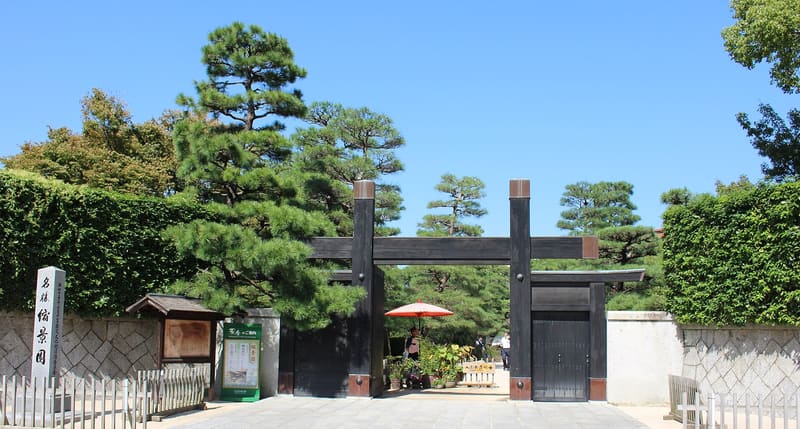 Shukkeien900 mphoto by Yoshio Kohara · CC BY 3.0
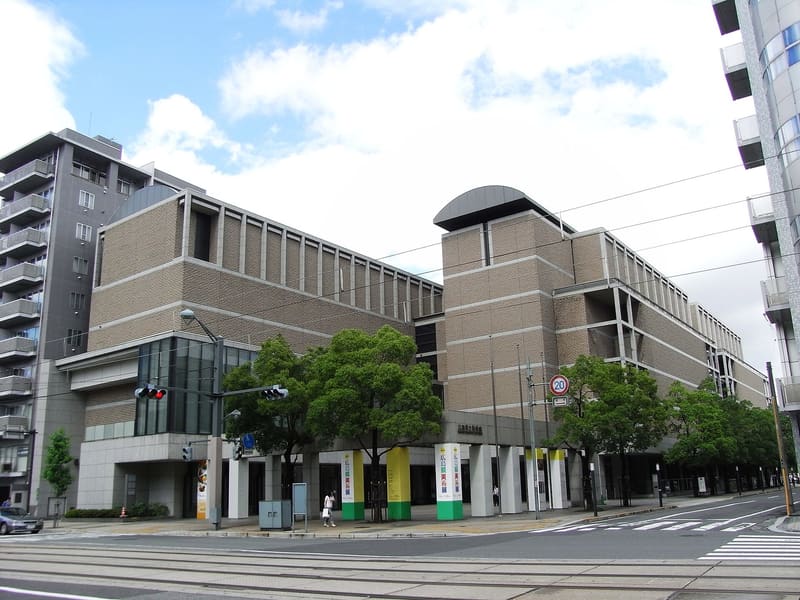 Hiroshima Prefectural Art Museum1000 mphoto by Taisyo at Japanese Wikipedia · CC BY 3.0
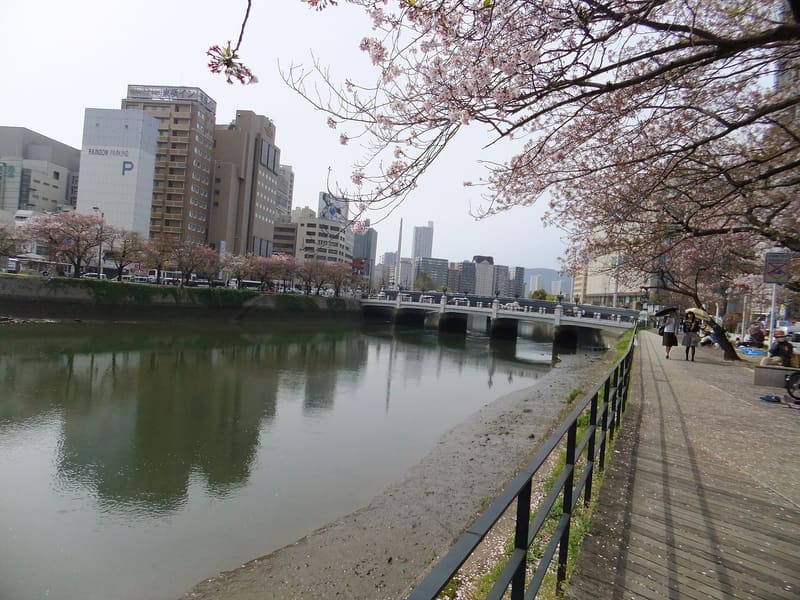 Enkō Bridge1000 mphoto by Taisyo · CC BY 3.0
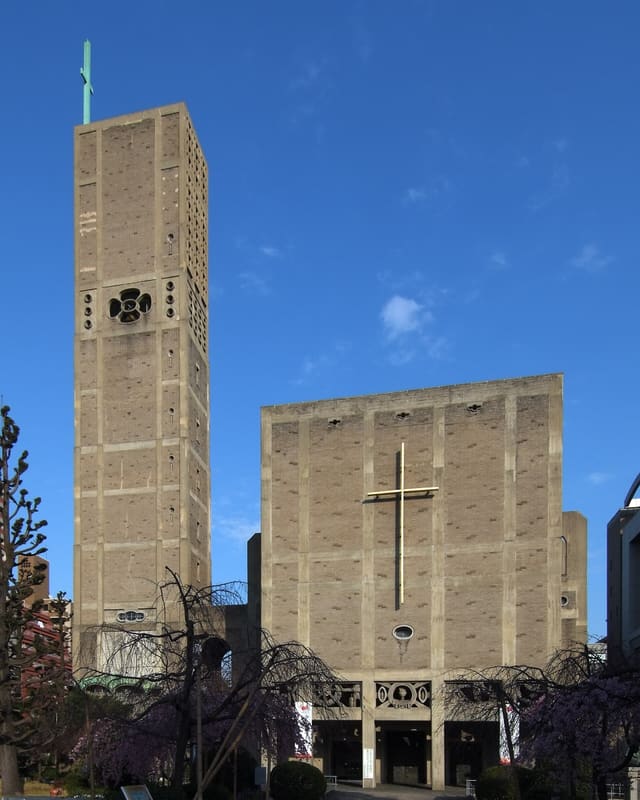 World Peace Memorial Cathedral1.1 kmphoto by Wiiii · CC BY-SA 3.0