
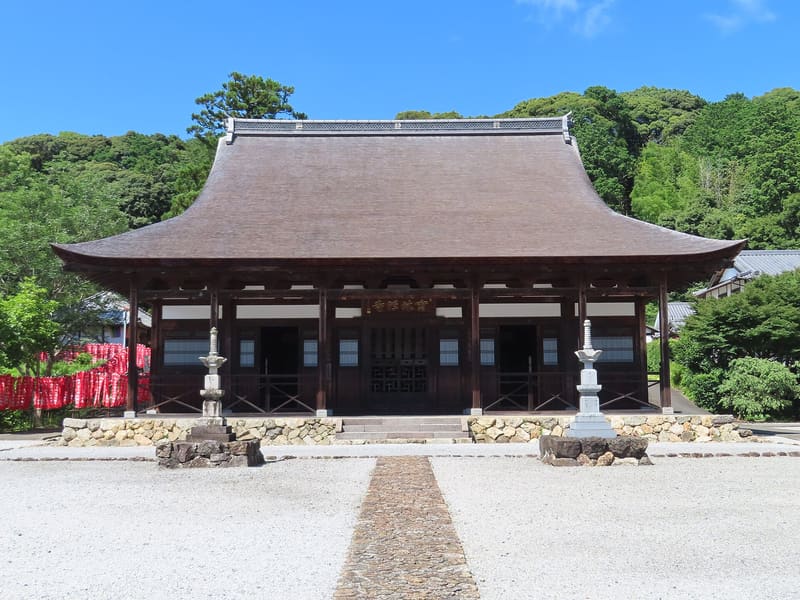
Buddha hall from 1667 in Ming style, with no columns inside: a national cultural property.
The Buddha hall, built in 1667 in the Chinese style of the Ming, has no columns inside. In the garden is the kinmeiseki (金鳴石), a stone that rings when struck, held to bring good luck. The temple was founded in 1664 by Dokutan, a monk who came from China.
The Chinese monk Dokutan founded the temple in 1664, bringing the Ōbaku Zen school (黄檗宗) to this area: one of the Japanese Zen schools, which arrived from China in the seventeenth century. The Buddha hall (仏殿) dates from 1667; the prior's residence (方丈) from 1716. The official database of Japan's cultural properties has listed both buildings as Important Cultural Properties (重要文化財) since 5 June 1981.
ℹ️ Open 10:00–16:00, adults 400 yen (350 for groups of 20 or more), children 200 (150 in a group), free entry for children not yet at elementary school; closed at the end of the year, with possible extraordinary closures, dates not given. Fifteen minutes on foot from Kanasashi Station (Tenryū Hamanako Railway), or Entetsu bus (Ishioka bus stop, then 10 minutes on foot); by car about 40 minutes from Hamamatsu via National Route 257, or 15 minutes from the Hamamatsu-nishi exit.
🚉 Kanasashi · 31 min walk
Holidays in Japan? Plan them with us.Over 2,000 real places, a day-by-day itinerary.FreeOpen the map →Sources: t-box.jp · t-box.jp · online.bunka.go.jp · commons.wikimedia.org
Nearby
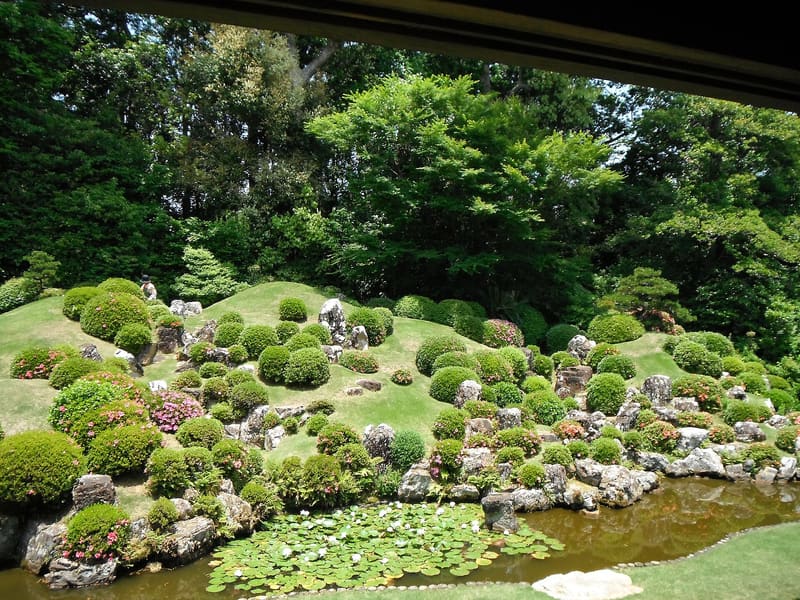 Ryōtan-ji2.5 kmphoto by Yanajin33 · CC BY-SA 3.0
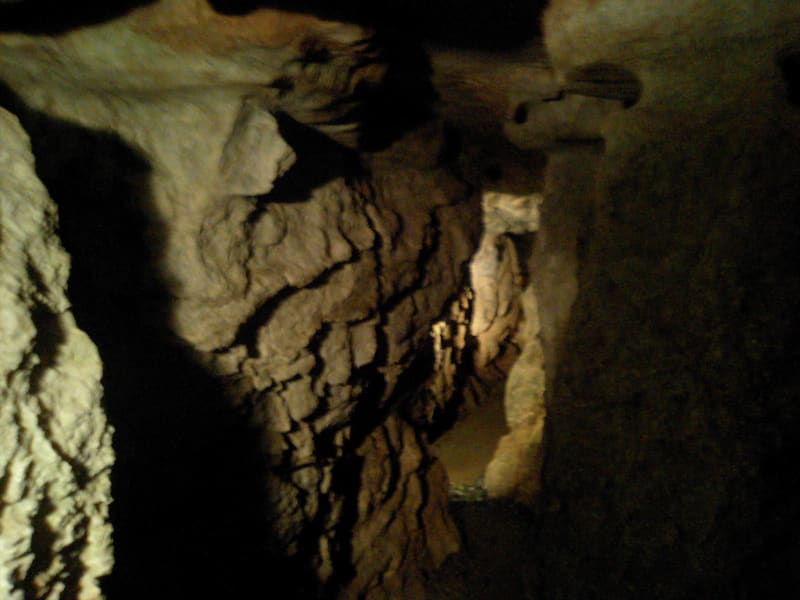 Washizawa Wind Cave4 kmphoto by MH001 · Pubblico dominio
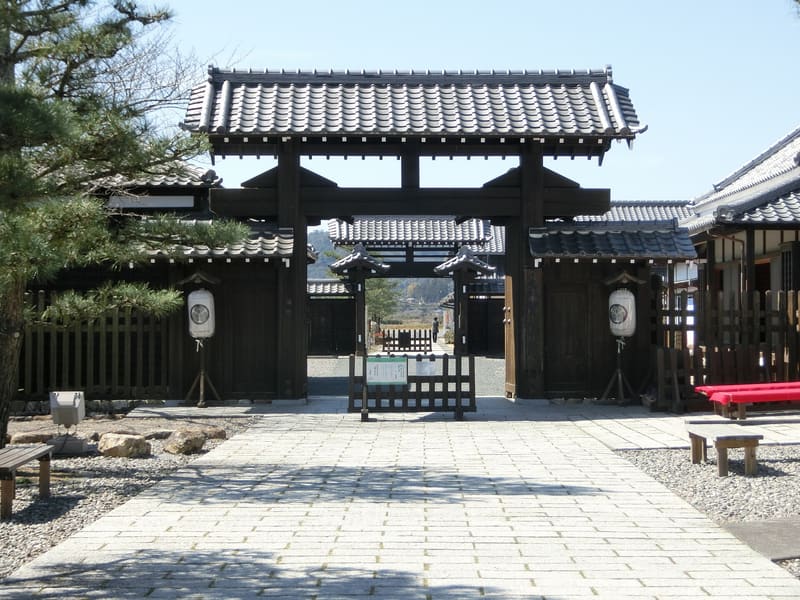 Kiga Checkpoint4.1 kmphoto by Abasaa · Pubblico dominio (dedica dell'autore)
 Ryūgashi Cave5 kmphoto by MH001 · CC BY-SA 3.0