
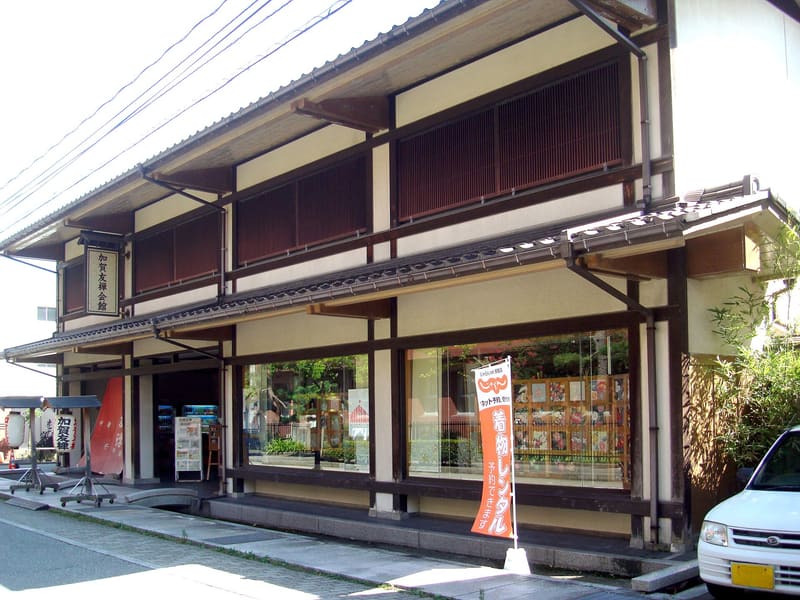
Unlike Kyoto yūzen, here the shading runs from the edges to the centre.
Kaga yūzen dyeing uses five base colours (deep red, indigo, ochre, green and antique purple), shaded to make up as many as fifty different tones in a single design. The direction of the shading, called 外ぼかし, is the opposite of Kyoto yūzen: here the colour is strongest at the edges and lightens towards the centre. A recurring feature is ‘insect-eaten leaves’ (虫食い), small holes painted to imitate the mark of time, a detail in keeping with the sober culture of the samurai patrons, which rejected gold and silver in court dyeing.
A silk-dyeing technique developed in Kanazawa from the seventeenth century on the basis of the older local dyeing 梅染, then refined in the nineteenth century by absorbing techniques from Kyoto yūzen while staying true to the sober aesthetic of the samurai culture of the Kaga domain, which excluded gold and silver threads and appliqués.
ℹ️ Open 9:00–17:00, closed on Wednesdays (except public holidays) and over New Year. Tickets: adults 500 yen, children 400 yen. Dyeing experiences by booking, from 1,650 yen (stencil) to 2,750 yen (freehand), about an hour. 3 minutes' walk from the ‘Kenrokuen-shita, Kanazawa-jō’ bus stop.
🚉 Hokutetsu Kanazawa · 30 min walk
Holidays in Japan? Plan them with us.Over 2,000 real places, a day-by-day itinerary.FreeOpen the map →Sources: kagayuzen.or.jp · story.nakagawa-masashichi.jp
Nearby
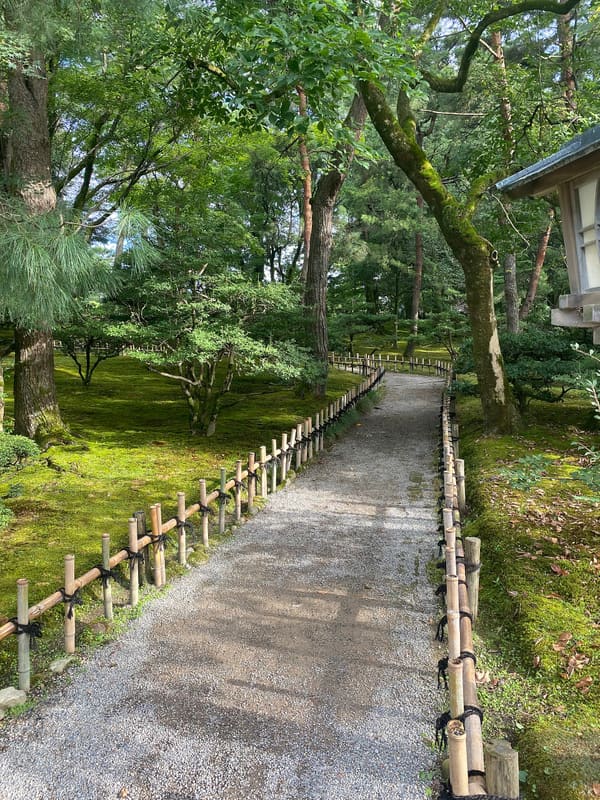 Kenroku-en300 mphoto by Immanuelle This photo was taken with iPhone 11 Pro Max · CC BY-SA 4.0
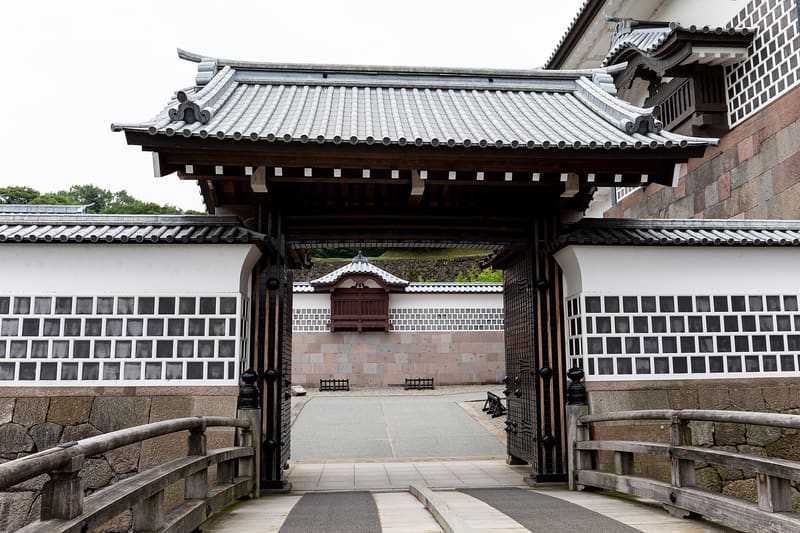 Kanazawa Castle (park)500 mphoto by Balon Greyjoy · CC0
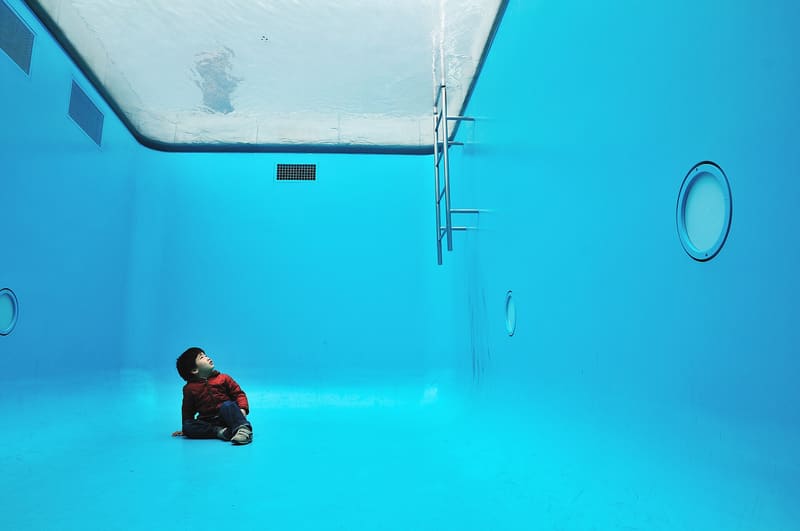 21st Century Museum of Contemporary Art, Kanazawa800 mphoto by ajari from Japan · CC BY 2.0
 Higashi Chaya Teahouse District900 mphoto by epicureanism · CC BY 2.0