
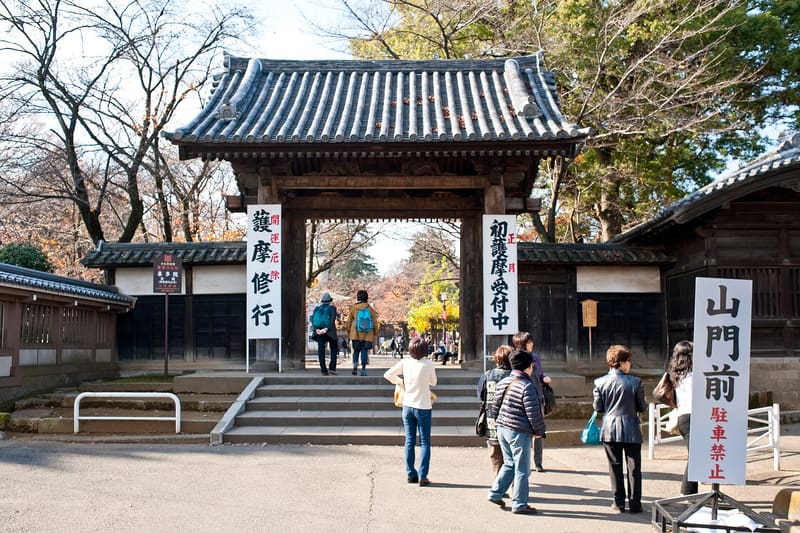
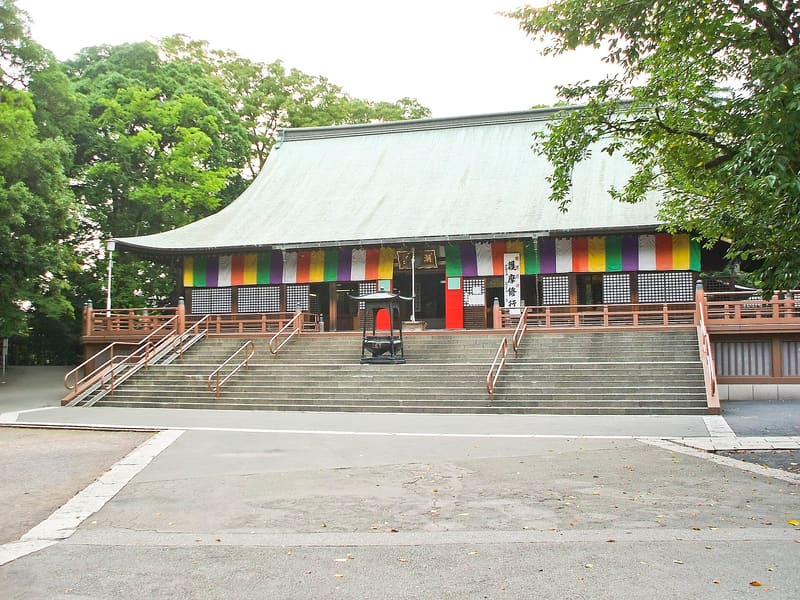
The only surviving rooms of Edo Castle, moved here in 1638.
After the great Kawagoe fire of 1638 destroyed the temple buildings, the shogun Tokugawa Iemitsu (devoted to the monk Tenkai, who had headed Kita-in) ordered immediate reconstruction, moving an entire pavilion from Mount Momiji in Edo Castle to serve as the guest hall (客殿) and the study (書院). They are the only structures of the original Edo Castle to have survived to this day: they contain the ‘room of Iemitsu's birth’ (家光誕生の間) and the ‘dressing room of Kasuga no Tsubone’ (春日局化粧の間), the third shogun's wet nurse. Both are national Important Cultural Properties. The temple also houses the Gohyaku Rakan (五百羅漢), about 500 stone statues of disciples of the Buddha, each with a different expression.
Tendai Buddhist temple, one of the most important in the Kantō, in Kawagoe's historic neighbourhood, near the Kurazukuri neighbourhood, the sweets alley and the Hikawa Shrine.
ℹ️ Open 8:50–16:30 (March–November, weekdays and Saturdays), 8:50–16:50 (Sundays and public holidays); 8:50–16:00 and 8:50–16:20 (December–February, same pattern). Closed 25 December–8 January, 2–3 February, 2–5 April, 16 August. Admission to the 客殿・書院 and Gohyaku Rakan: adults ¥400, children ¥200 (¥350/¥150 for groups of 20+). Tel. 049-222-0859.
🚉 Hon-Kawagoe · 14 min walk
Holidays in Japan? Plan them with us.Over 2,000 real places, a day-by-day itinerary.FreeOpen the map →Sources: jalan.net · omatsurijapan.com · city.kawagoe.saitama.jp
Nearby
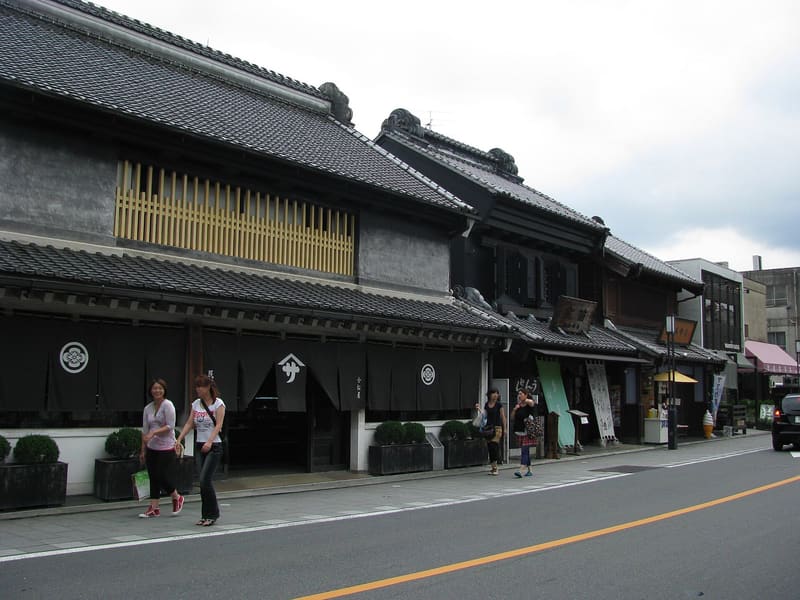 Kawagoe Kurazukuri Neighbourhood900 mphoto by Aimaimyi · CC BY-SA 3.0
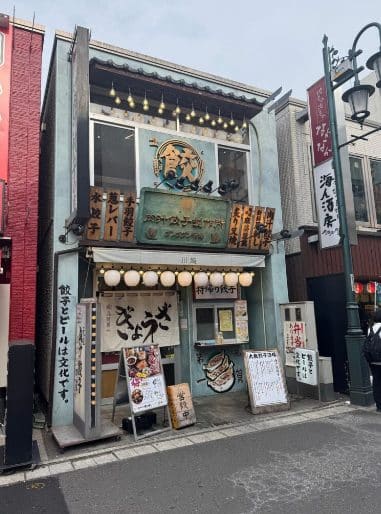 Nikujiru Gyōza no Dandadan — Kawagoe900 m
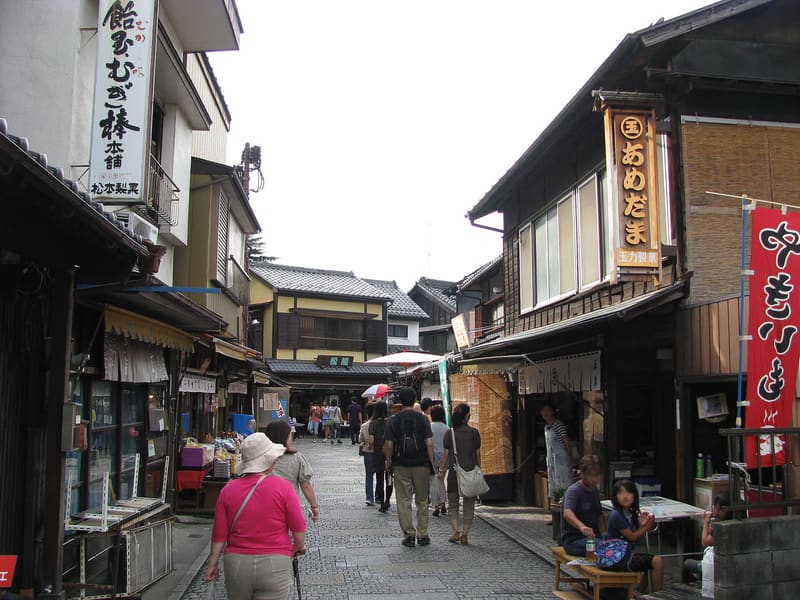 Kawagoe Sweets Alley — Kashiya Yokochō1.1 kmphoto by Aimaimyi · CC BY-SA 3.0
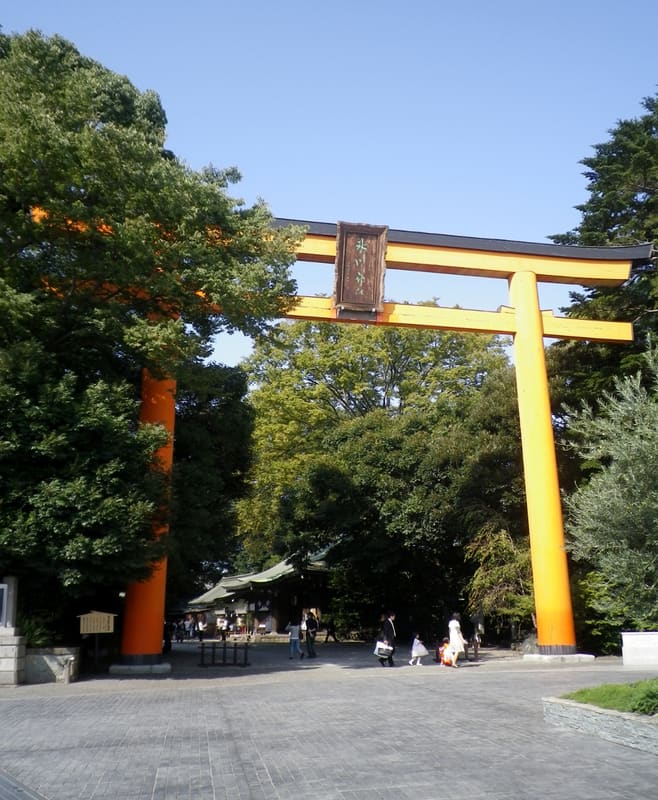 Kawagoe Hikawa Shrine1.1 kmphoto by 三人日 · CC BY-SA 4.0