
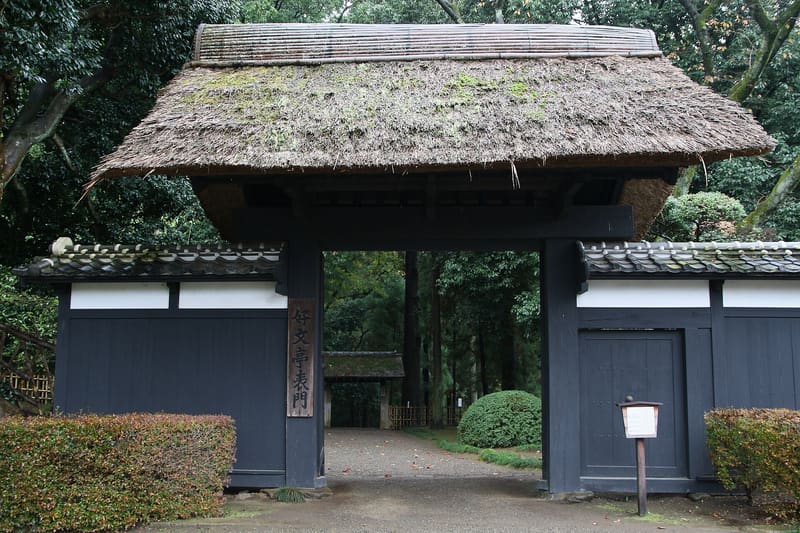
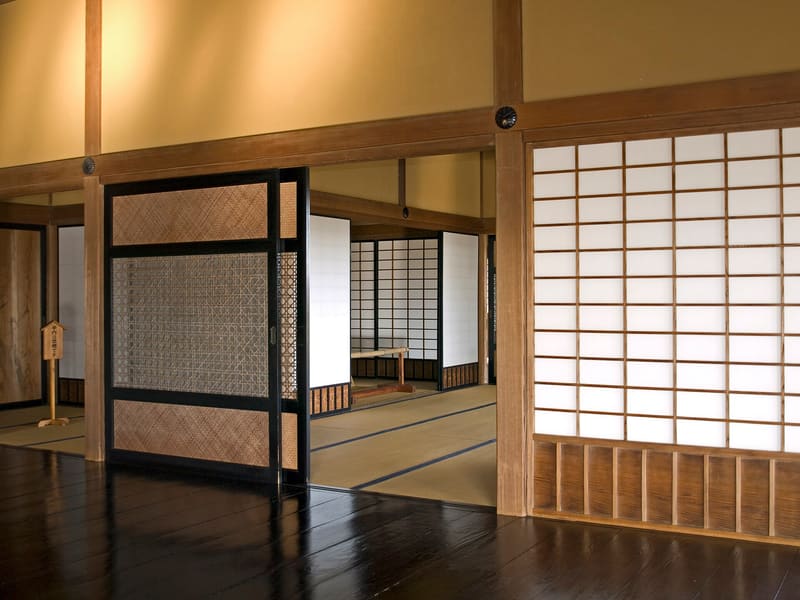
On the third floor, the Rakuju-rō was the view Nariaki kept for himself and his guests.
Tokugawa Nariaki, who opened Kairakuen to the townspeople in 1842, designed the Kōbuntei himself in April 1840 as his own reception villa within the garden. Built with a single storey, it was enlarged to two storeys and three levels; from the third, the Rakuju-rō, there is a view that the lord kept for men of letters, samurai and subjects invited to poetry gatherings. The original building burned down in the 1945 bombings and was rebuilt between 1955 and 1958.
Historic pavilion within Kairakuen, one of the three most celebrated gardens in Japan: it takes its name from another way of saying ‘plum tree’ (kōbunboku), the same flower that fills the garden around it.
ℹ️ Separate ticket from the garden's: 230 yen adults, 120 yen children, 110 yen over-70s. Open 9:00–17:00 from February to September, 9:00–16:30 from October to mid-February; closed from 29 to 31 December.
🚉 Kairakuen · 8 min walk
Holidays in Japan? Plan them with us.Over 2,000 real places, a day-by-day itinerary.FreeOpen the map →Sources: mitokoumon.com · ibaraki-kairakuen.jp
Nearby
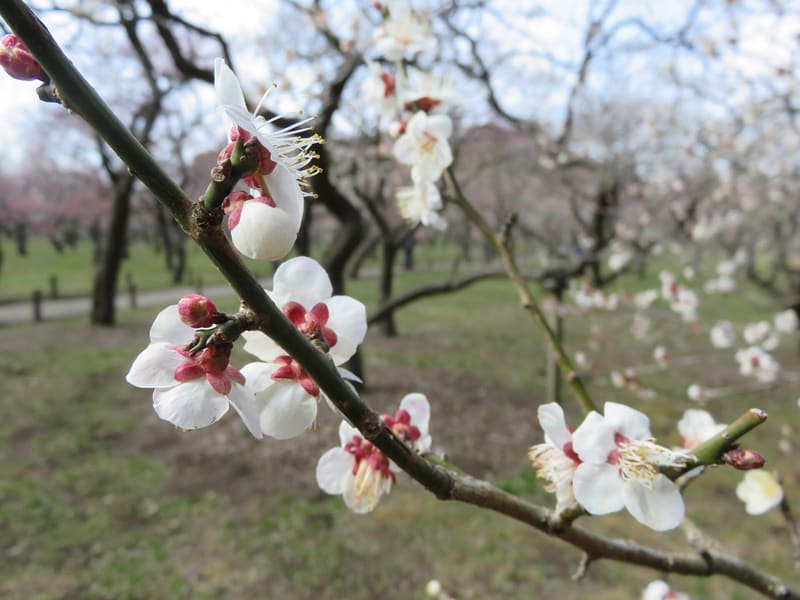 Kairakuen300 mphoto by Etwas Neues · CC BY-SA 3.0
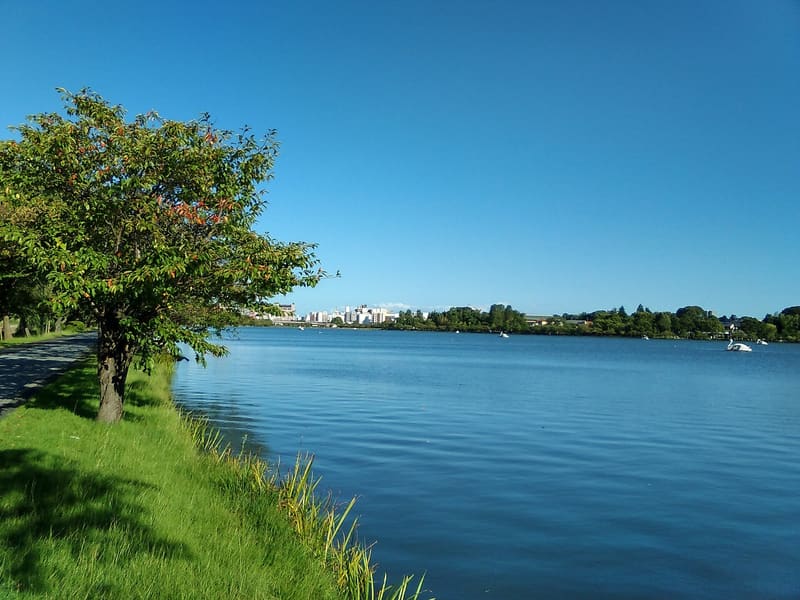 Lake Senba Promenade700 mphoto by Hasec · CC0
 Miyashita Ginza2.1 kmphoto by Miyuki Meinaka · Public domain
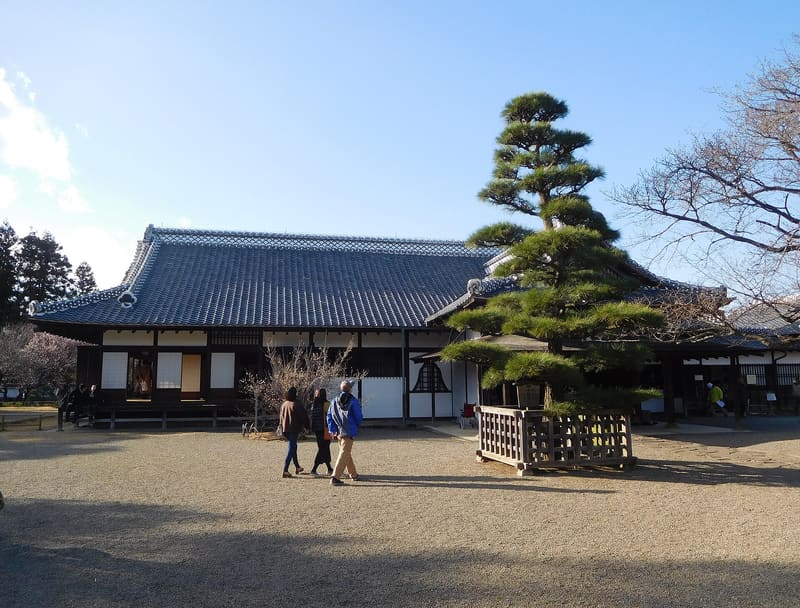 Kōdōkan2.4 kmphoto by Miyuki Meinaka · CC BY-SA 4.0