The Anime Trip
🌐 EN ▾
ItalianoEnglish繁體中文(台灣)繁體中文(香港)日本語
PLAN YOUR TRIPMy tripSign in / Sign upSign in / Sign up

Oita

Kuma Hachiman Shrine — home of the Hita Gion

隈八幡宮

Open on the mapwith over 1,800 wonders of Japan

Kuma Hachiman Shrine (隈八幡宮) — home of the Hita Gion

Its floats, up to 10 m tall, have paraded since 1665: since 2016 the rite has been UNESCO heritage.

One of the three shrines (with Mameda Yasaka and Wakamiya) that organise the Hita Gion: nine sumptuous floats (yama), the tallest 10 metres high, parade through the Kuma and Mameda districts. The tradition goes back at least to 1665 (simple palanquins), with structured floats from 1714. Registered as an Important Intangible Folk Cultural Property in 1996 and as UNESCO Intangible Cultural Heritage in 2016, in the group of 33 ‘Yama, Hoko, Yatai’ processions.

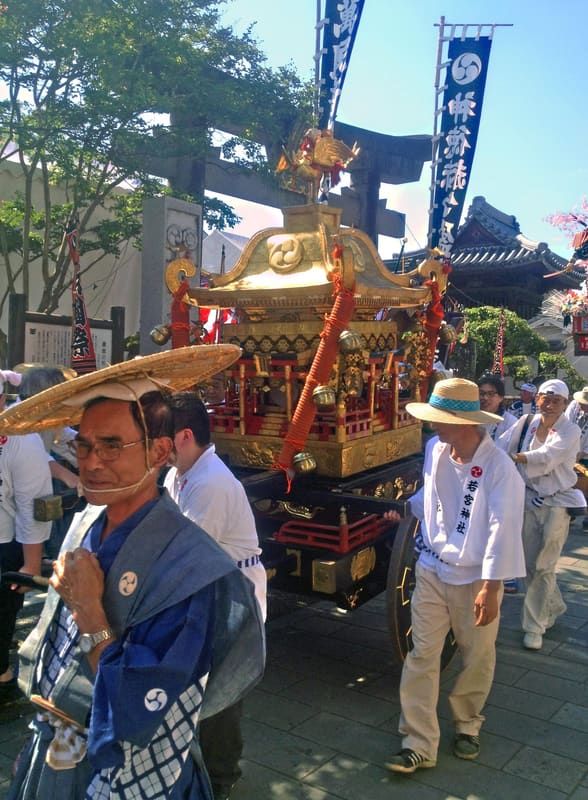
The Kuma Hachiman Shrine (also known as Kuma Yasaka-jinja), in the Kuma district of Hita, is one of the three homes, together with Mameda Yasaka-jinja and Wakamiya-jinja, of the Hita Gion, one of the best-known float festivals in Kyūshū. Nine sumptuous yama, decorated with tapestries and kabuki-themed figurines dating from the Edo and Meiji periods, parade to the sound of gion-bayashi music through the streets of the Kuma and Mameda districts; one of them, the Heisei Yama built in 1990, reaches 10 metres. The origins of the festival go back at least to 1665, with simple palanquins (kakiyama); more elaborate floats appeared around 1714, reaching heights of 12–15 metres in the Bunka-Bunsei period. In 1996 the rite was designated a national Important Intangible Folk Cultural Property, and on 30 November/1 December 2016 it entered UNESCO's Intangible Cultural Heritage, in the group of 33 Japanese ‘Yama, Hoko, Yatai’ processions.

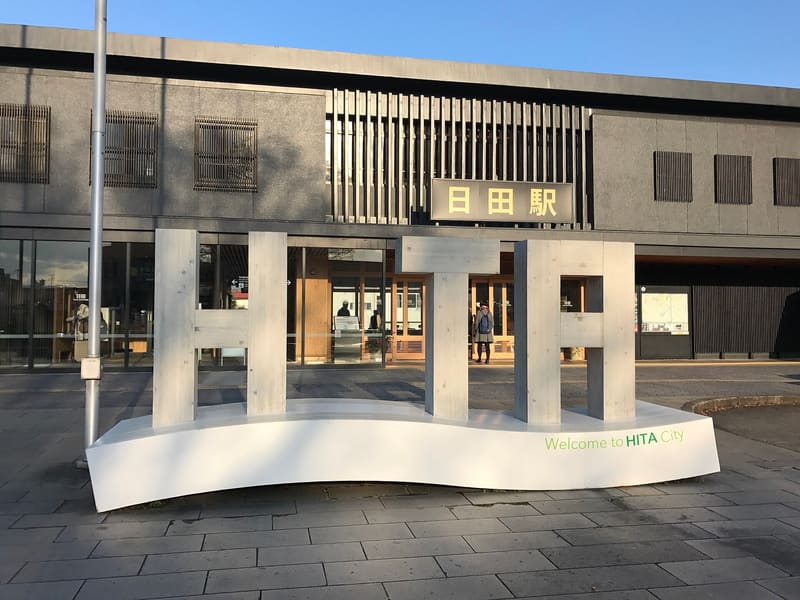
ℹ️ Shrine grounds freely accessible. The float parade is held on the Saturday and Sunday closest to 20 July; since 1989 a ‘collective display’ event (shūdan kaomise) at Hita Station has shown all the floats together.

🚉 Hita · 11 min walk

Holidays in Japan? Plan them with us.Over 2,000 real places, a day-by-day itinerary.FreeOpen the map →

Sources: city.hita.oita.jp

Nearby

All series · Open the map

Kuma Hachiman Shrine (隈八幡宮) — home of the Hita Gion
Open on the mapwith over 1,800 wonders of Japan
Kuma Hachiman Shrine (隈八幡宮) — home of the Hita Gion

Its floats, up to 10 m tall, have paraded since 1665: since 2016 the rite has been UNESCO heritage.

One of the three shrines (with Mameda Yasaka and Wakamiya) that organise the Hita Gion: nine sumptuous floats (yama), the tallest 10 metres high, parade through the Kuma and Mameda districts. The tradition goes back at least to 1665 (simple palanquins), with structured floats from 1714. Registered as an Important Intangible Folk Cultural Property in 1996 and as UNESCO Intangible Cultural Heritage in 2016, in the group of 33 ‘Yama, Hoko, Yatai’ processions.

The Kuma Hachiman Shrine (also known as Kuma Yasaka-jinja), in the Kuma district of Hita, is one of the three homes, together with Mameda Yasaka-jinja and Wakamiya-jinja, of the Hita Gion, one of the best-known float festivals in Kyūshū. Nine sumptuous yama, decorated with tapestries and kabuki-themed figurines dating from the Edo and Meiji periods, parade to the sound of gion-bayashi music through the streets of the Kuma and Mameda districts; one of them, the Heisei Yama built in 1990, reaches 10 metres. The origins of the festival go back at least to 1665, with simple palanquins (kakiyama); more elaborate floats appeared around 1714, reaching heights of 12–15 metres in the Bunka-Bunsei period. In 1996 the rite was designated a national Important Intangible Folk Cultural Property, and on 30 November/1 December 2016 it entered UNESCO's Intangible Cultural Heritage, in the group of 33 Japanese ‘Yama, Hoko, Yatai’ processions.

ℹ️ Shrine grounds freely accessible. The float parade is held on the Saturday and Sunday closest to 20 July; since 1989 a ‘collective display’ event (shūdan kaomise) at Hita Station has shown all the floats together.

🚉 Hita · 11 min walk

Holidays in Japan? Plan them with us.Over 2,000 real places, a day-by-day itinerary.FreeOpen the map →

Sources: city.hita.oita.jp

Nearby