
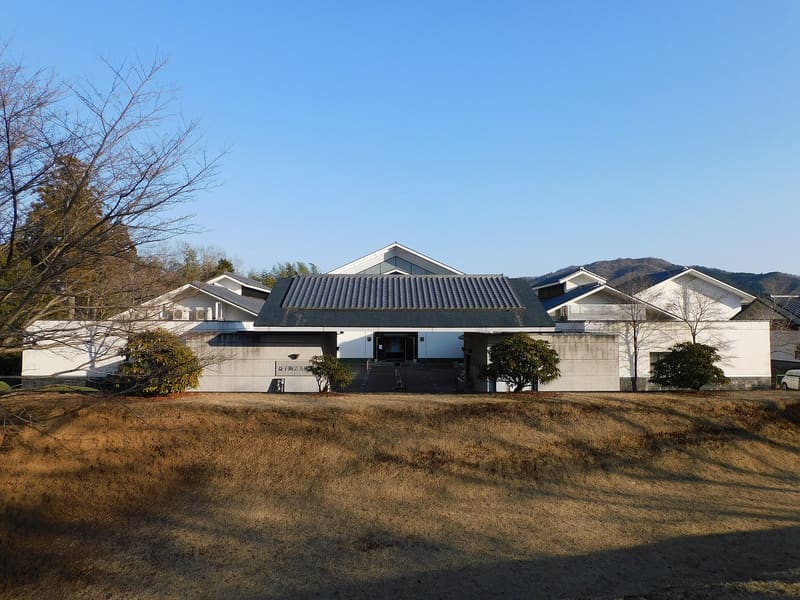
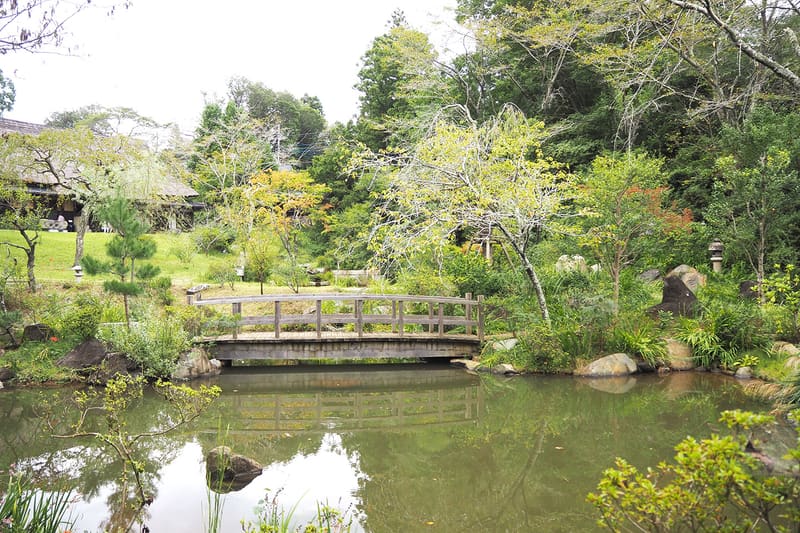
In the garden stands the actual house of Hamada Shōji, a Living National Treasure, here since 1930.
The museum tells the history of Mashiko ceramics through the works of Hamada Shōji and Shimaoka Tatsuzō, both designated Living National Treasures (人間国宝). In the museum grounds stands the farmhouse that Hamada bought in 1930 (originally built in the late Edo period and already moved once before arriving here), which he used as his home and first workshop, with the 土間 (beaten-earth floor) turned into a work space; next to it, a restored climbing kiln (登り窯).
Mashiko has produced ceramics since the late Edo period, helped by the good local clay and its closeness to Tokyo. Today it has about 160 kilns and 50 shops, and twice a year, in spring and autumn, it hosts the 陶器市, the pottery fair that draws about 600,000 visitors a season to about 600 stalls across the town. Hamada Shōji, who settled there in the 1920s, is considered the father of the ‘mingei’ (folk crafts) movement linked to this small town.
ℹ️ February–November 9:30–17:00 (last entry 16:30); December–January 9:30–16:30 (last entry 16:00). Closed on Mondays (Tuesday if Monday is a public holiday) and over the year-end and New Year period. Tickets 600 yen for adults (university and high school students included), 300 yen for junior high and elementary school students, free for people with a disability plus one companion. The shop, the mini-gallery, the historic residence and the kiln can be visited free of charge.
🚉 Mashiko Museum Entrance · 2 min walk
Holidays in Japan? Plan them with us.Over 2,000 real places, a day-by-day itinerary.FreeOpen the map →Sources: mashiko-museum.jp · town.mashiko.lg.jp
Nearby
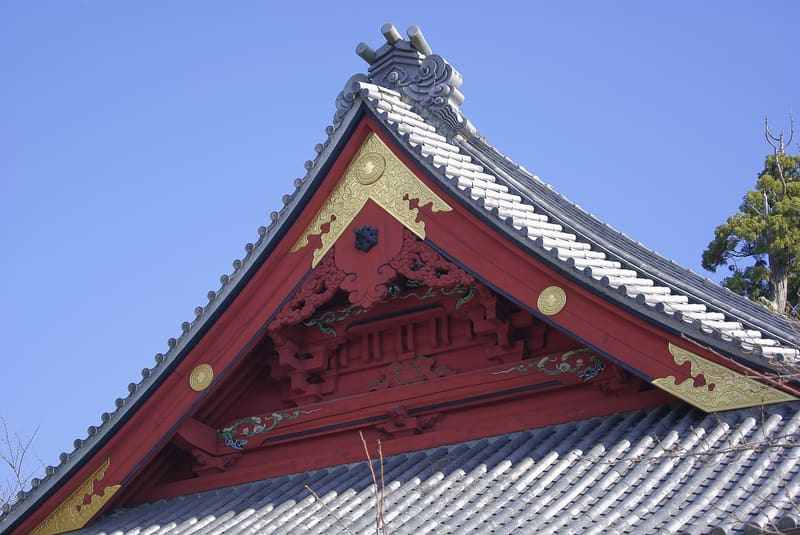 Amabiki Kannon15 kmphoto by Toshihiro Matsui · CC BY-SA 3.0
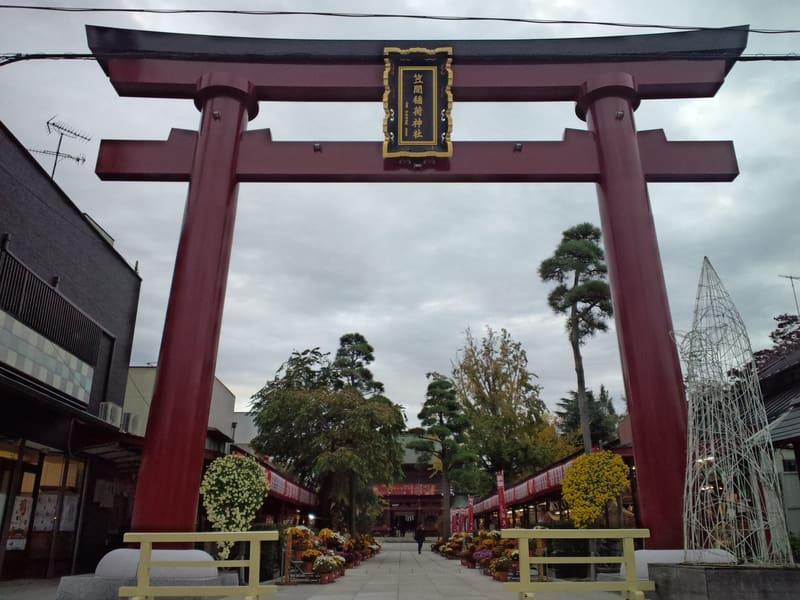 Kasama Inari Shrine16 kmphoto by 市井の人 · CC BY-SA 4.0
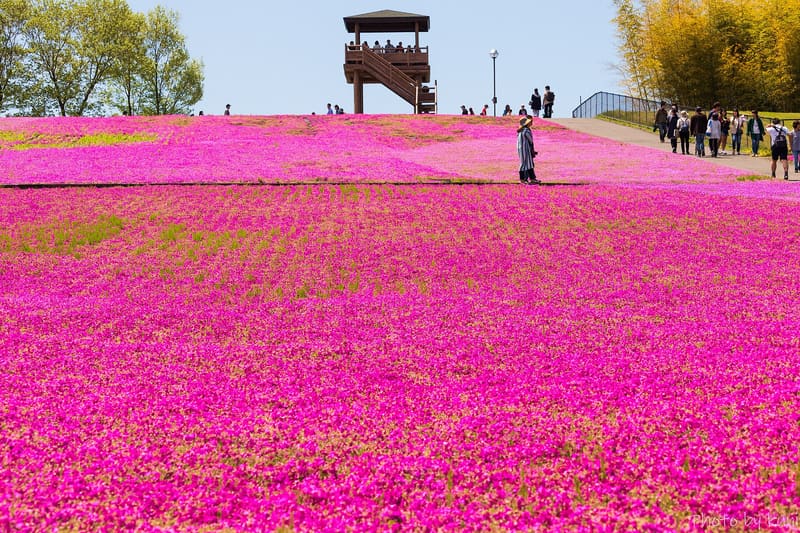 Ichikai Shibazakura Park17.2 kmphoto by t.kunikuni · CC BY-SA 2.0
 Shumpū Manrisō17.2 kmphoto by Shunpu Banri-so Villa · CC BY-SA 4.0