The Anime Trip
🌐 EN ▾
ItalianoEnglish繁體中文(台灣)繁體中文(香港)日本語
PLAN YOUR TRIPMy tripSign in / Sign upSign in / Sign up

Kyoto

Miyama Kayabuki no Sato

美山かやぶきの里

Open on the mapwith over 1,800 wonders of Japan

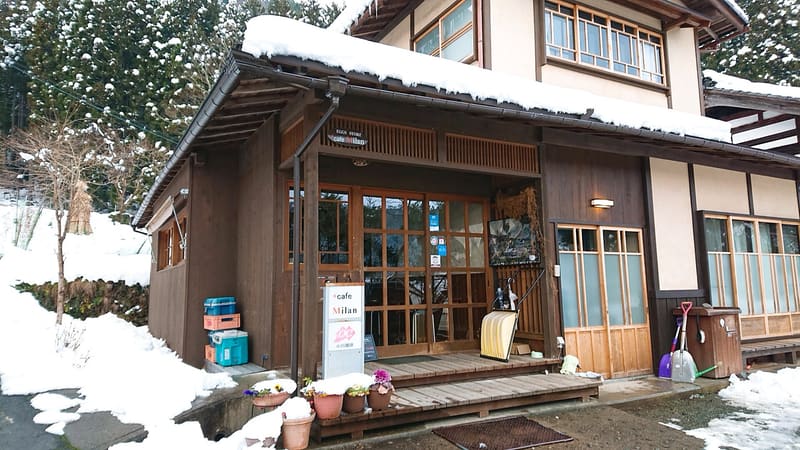
Miyama Kayabuki no Sato
photo by 経済特区 · CC BY-SA 4.0
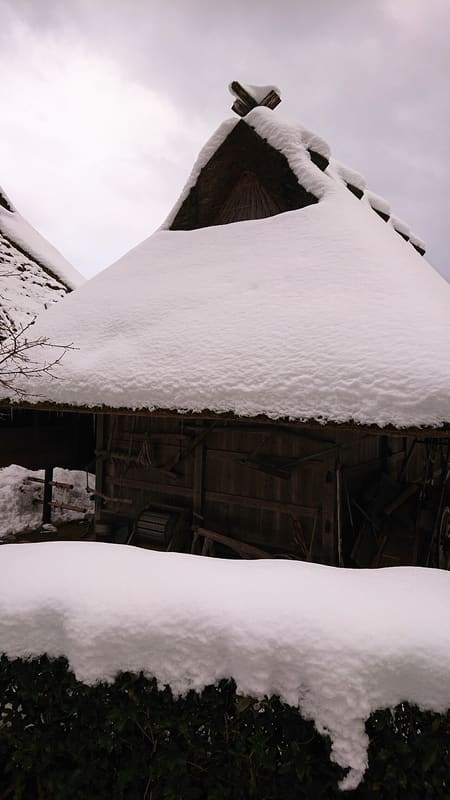
Miyama Kayabuki no Sato
photo by 経済特区 · CC BY-SA 4.0

39 of the 50 houses still have thatched roofs, some built more than 200 years ago.

The village of Kita, commonly called ‘kayabuki no sato’ (kayabuki is the woven straw used for traditional pitched roofs), keeps 39 of its 50 houses with roofs still thatched, built between 150 and 220 years ago: they are still lived in, not an open-air museum, and a visit asks you to respect the daily life of the people who live there. In January, for a few evenings, about a hundred lanterns along the lanes and some twenty houses lit from outside accompany the ‘冬灯廊’ event (literally ‘winter corridor of lights’), which until 2025 was called ‘雪灯廊’, ‘corridor of lights on the snow’: the name was changed precisely because of the snow, which in recent years has been missing more and more often.

The village is in the municipality of Nantan, in the mountainous hinterland north of the city of Kyoto. An Important Preservation District for Groups of Traditional Buildings since 8 December 1993.

ℹ️ Free, unrestricted access to the village, which remains an inhabited place: you are asked not to enter private gardens or photograph the interiors of the houses without permission. A small ethnographic museum, restaurants and souvenir shops keep their own hours.

🚉 北 · 2 min walk

Holidays in Japan? Plan them with us.Over 2,000 real places, a day-by-day itinerary.FreeOpen the map →

Sources: kayabukinosato.jp · yukitouro.jp

All series · Open the map

Miyama Kayabuki no Sato
Open on the mapwith over 1,800 wonders of Japan
Miyama Kayabuki no Sato
photo by 経済特区 · CC BY-SA 4.0
Miyama Kayabuki no Sato
photo by 経済特区 · CC BY-SA 4.0

39 of the 50 houses still have thatched roofs, some built more than 200 years ago.

The village of Kita, commonly called ‘kayabuki no sato’ (kayabuki is the woven straw used for traditional pitched roofs), keeps 39 of its 50 houses with roofs still thatched, built between 150 and 220 years ago: they are still lived in, not an open-air museum, and a visit asks you to respect the daily life of the people who live there. In January, for a few evenings, about a hundred lanterns along the lanes and some twenty houses lit from outside accompany the ‘冬灯廊’ event (literally ‘winter corridor of lights’), which until 2025 was called ‘雪灯廊’, ‘corridor of lights on the snow’: the name was changed precisely because of the snow, which in recent years has been missing more and more often.

The village is in the municipality of Nantan, in the mountainous hinterland north of the city of Kyoto. An Important Preservation District for Groups of Traditional Buildings since 8 December 1993.

ℹ️ Free, unrestricted access to the village, which remains an inhabited place: you are asked not to enter private gardens or photograph the interiors of the houses without permission. A small ethnographic museum, restaurants and souvenir shops keep their own hours.

🚉 北 · 2 min walk

Holidays in Japan? Plan them with us.Over 2,000 real places, a day-by-day itinerary.FreeOpen the map →

Sources: kayabukinosato.jp · yukitouro.jp