
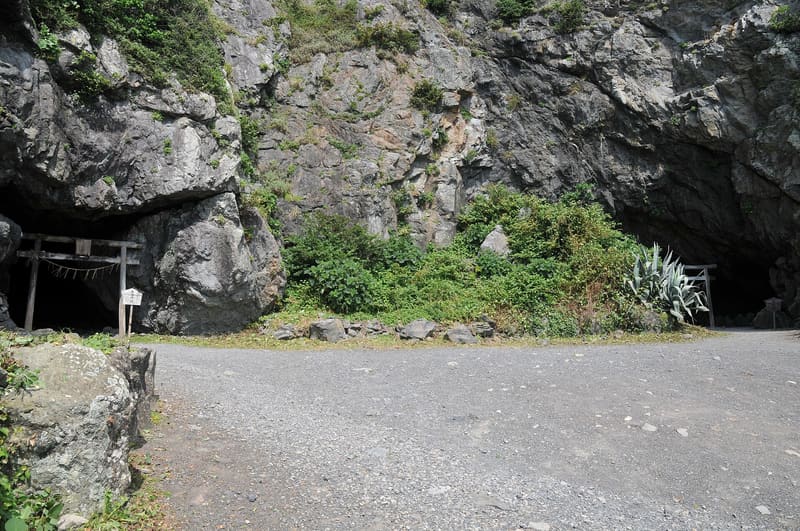
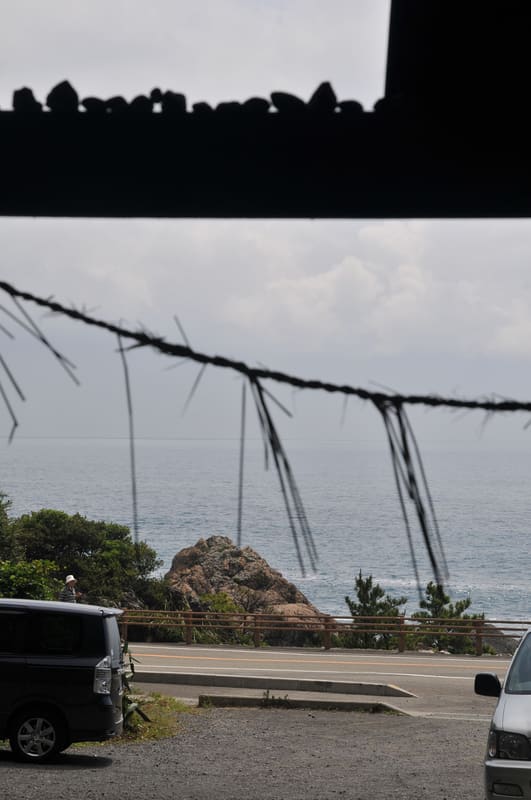
At 19, from the cave he saw only sky and sea: from this he took the name Kūkai.
At the foot of the cape, this Heian-period cave (about 1,200 years ago) is where, according to tradition, the future monk Kūkai, then nineteen, devoted himself to ascetic practice: from inside you can see nothing but sky and sea, and from this view, tradition says, he took the name by which he is known, Kūkai, ‘sky and sea’. Inside there is still a small shrine, Goshojinja. The cape, continually uplifted by tectonic movements, was recognised as a UNESCO Global Geopark on 18 September 2011. Nearby, a bronze statue of Nakaoka Shintarō (a Restoration patriot killed together with Sakamoto Ryōma in 1867) stands on a base of local gabbro, whose crystals are one of the geopark's observation points.
A headland in the city of Muroto, on the eastern coast of Kochi, within Muroto-Anan Coast Quasi-National Park. The 1934 Muroto typhoon made landfall right here, with a minimum pressure of 911.6 hPa (the lowest value ever recorded for a typhoon making landfall on the main islands of Japan) and about 2,700 deaths across the country.
ℹ️ Cave with free entry, accessible all year round; free car park in front of the entrance. Address: 〒781-7101 高知県室戸市室戸岬町4030. The geopark visitor centre (Muroto Geopark Center) is at 室戸岬町1810-2, open 9:00–17:00, tel. 0887-23-1610.
🚉 椎名 · 26 min walk
Holidays in Japan? Plan them with us.Over 2,000 real places, a day-by-day itinerary.FreeOpen the map →Sources: kochi-tabi.jp · travel.co.jp · muroto-geo.jp · muroto-geo.jp · ja.wikipedia.org
Nearby
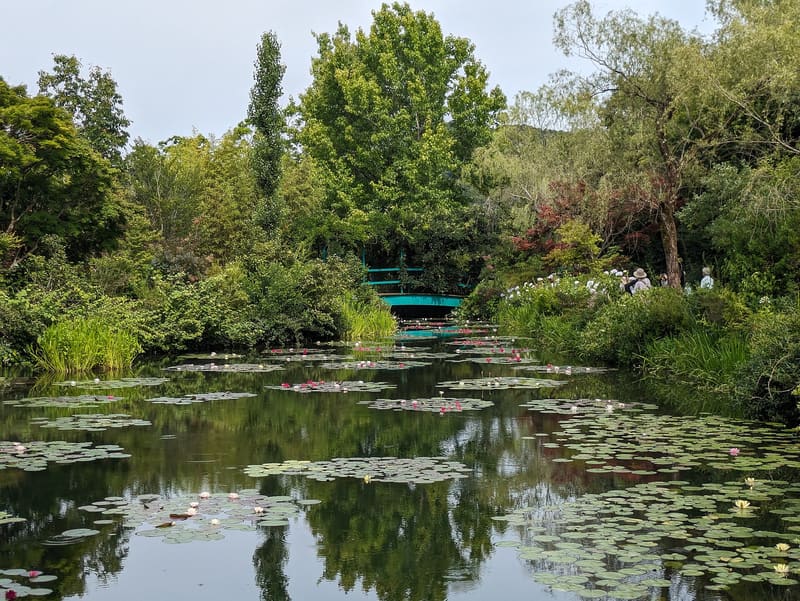 Kitagawa Monet Garden — Marmottan19.7 kmphoto by 特急東海 · CC0